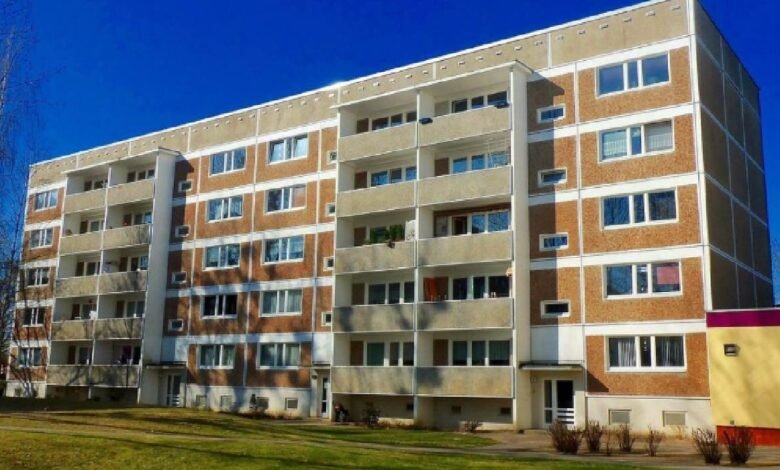
Flat block insurance is a specialised insurance that covers residential buildings with multiple flats under a single comprehensive cover. It protects the structure, common property, and liabilities, and provides assurance to the landlords, freeholders, and managing agents that their investment is safe. Property owners will incur significant financial losses without adequate insurance in the event of damage or legal suits.
In addition to structural coverage, flat block insurance also covers common facilities and compliance with lease agreements. This is a critical consideration in multi-occupancy buildings, and the roles of freeholders or management companies have become vital to ensuring tenants’ comfort and safety.
Understanding Flat Block Insurance
Flat block insurance, also known as block-of-flats insurance, differs from standard home insurance in that it covers the entire building rather than individual flats. The policy combines various covers, including structural damage, communal spaces, liability, and loss of rent.
When a property owner chooses to cover the property with a specialist flat block insurance policy, the property owner not only meets his or her legal requirements but also benefits from full coverage of any risk. The freeholders, landlords, and managing agents can ensure their property without having to insure each leaseholder individually.
Who Needs Flat Block Insurance
Everyone in charge of a multi-flat building will need flat block insurance. Freeholders are generally legally obligated to maintain insurance for the entire building, while landlords benefit from protection against property damage and loss of rental income. Property management firms and Right to Manage (RTM) organisations use it to ensure communal areas and manage risk.
Personal items are insured by leaseholders under a separate personal contents policy, whereas building insurance is the responsibility of the freeholder or management body.
Coverage Offered by Flat Block Insurance
A flat-block insurance policy is all-inclusive for defending the building and its finances.
- Buildings Insurance: Covers the physical structure, such as roofs, walls, floors, and permanent fixtures, and is subject to fire, storm, flood, and accidental damage.
- Communal Areas: Guarantees the security of common facilities such as stairwells, lifts, gardens, and parking.
- The Liability of Property Owners: The liability covers the building owner’s legal liability for injuries caused by the building’s condition, as well as compensation and legal defense expenses.
- Loss of Rent: Covers the loss of rent in case any flats are rendered uninhabitable in the event of insured damage.
Although communal contents, temporary accommodation, and protection of engineering equipment are also covered in some policies, additional cover may be added based on the building’s complexity and risks.
Types of Buildings Covered
Flat block insurance is suitable for:
- Converted Flats: Homes that were built as houses and were later divided into several flats.
- Purpose-Built Flats: Buildings that were designed as apartments with a number of occupants.
The risk profiles of both types are different. The structure or maintenance of converted flats can be a problem, and purpose-built flats can also have other communal amenities that need to be covered. To adequately cover these differences, the policies of specialist insurers are usually tailor-made.
Optional Add-Ons and Enhanced Protection
Numerous insurers offer additional cover options for risks not included in a typical flat block insurance policy. These may include:
- Legal expenses insurance
- Terrorism cover
- Directors and officers (D&O) liability.
- Lift breakdown and engineering inspections.
These add-ons provide a sense of security, especially for larger blocks or buildings with complex common facilities. Optional cover is in place so that, in case of unforeseen events, there will not be significant losses.
Factors Influencing Flat Block Insurance Costs
Premiums are influenced by a number of factors:
- Rebuild the value of the property
- Location and environmental risks, such as flood-prone areas
- Number of flats in the block
- Age, materials, and type of construction.
- Security measures and maintenance records.
Accurate rebuild valuation is crucial. Underestimating costs can lead to underinsurance, meaning claim payouts may be significantly reduced when damage occurs. Proper assessment and regular reviews can help maintain adequate coverage.
Common Exclusions in Flat Block Insurance
Although flat block insurance covers most areas, some risks are usually not covered. Normally, the policies do not include:
- Residents’ personal belongings
- Wear and tear or lack of proper maintenance.
- Pre-existing structural defects
- Poor workmanship or design faults.
Knowledge of exclusions will enable property owners to consider optional add-ons or complementary policies to seal any gaps in coverage and prevent unpleasant surprises.
Choosing the Right Policy
The flat block insurance policy requires thorough research to choose the right one. Experienced specialist insurers that deal with multi-occupancy buildings offer policies tailored to the risks of the flat block. Key considerations include:
- Rebuild cost coverage review.
- Checking policy exclusions.
- Optional add-ons to the property risk profile.
- Comparison of various quotes to achieve broad, cost-efficient coverage.
With an effective policy in place, property owners can protect the building, shared spaces, and financial gains, maintaining long-term stability.
Conclusion
Any person in charge of a multi-flat building in the UK will need flat block insurance. It insures the building, common spaces, and rental revenue, and guarantees legal measures and risk mitigation.
Having a personalised policy offers the added advantage of protecting against damage and liability claims, as well as providing peace of mind to landlords, freeholders, and managing agents. When under good coverage, property owners will be able to maintain and operate multi-occupancy buildings without hesitation, helping them protect their investment and the tenants who depend on them.