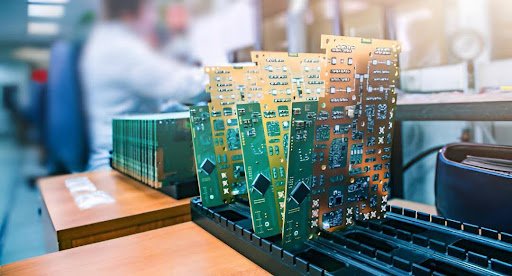
Electronic devices are becoming more advanced, compact, and powerful with each passing year. From smart home appliances and communication equipment to industrial machines and medical technology, nearly every modern innovation relies on stable and efficient electronic circuits. At the heart of these systems lies a printed circuit board (PCB), which serves as the structural and electrical platform for connecting electronic components.
Among the different types of circuit boards available today, rigid PCBs remain one of the most widely used solutions. Their solid structure, long-term durability, and consistent electrical performance make them an essential part of many electronic products. Engineers, designers, and manufacturers often study industry resources such as Rigid PCB Production & Guides to better understand how rigid circuit boards are designed and produced for modern electronic systems.
This article explores the design considerations, manufacturing insights, and practical applications that make rigid PCBs a vital component in today’s electronics industry.
Understanding the Foundation of Rigid PCB Technology
Rigid printed circuit boards are built on solid substrate materials that maintain a fixed shape. Unlike flexible PCBs, which are designed to bend or twist, rigid PCBs provide a stable and durable platform for electronic components.
The rigid structure helps protect circuits from mechanical stress and ensures that components remain securely mounted throughout the device’s lifecycle. Because of this reliability, rigid PCBs are commonly used in products where stability and long-term performance are critical.
These circuit boards typically consist of several layers that include conductive copper pathways, insulating materials, and protective coatings. Each layer plays a specific role in supporting electrical signals and maintaining the integrity of the circuit.
Rigid PCBs are widely used in industries such as:
- Consumer electronics
- Automotive electronics
- Industrial equipment
- Telecommunications systems
- Medical devices
- Computer hardware
Their widespread use highlights their importance in modern electronic engineering.
Key Materials Used in Rigid PCB Construction
The performance of a rigid PCB depends largely on the materials used during its fabrication. Each material contributes to the electrical performance, mechanical strength, and reliability of the final board.
FR-4 Substrate Material
FR-4 is the most commonly used substrate material for rigid PCBs. It is a fiberglass-reinforced epoxy laminate known for its durability and excellent insulation properties.
This material provides strong structural support while also maintaining resistance to heat and moisture.
Copper Conductive Layers
Copper layers are laminated onto the substrate to create conductive pathways that connect electronic components. These pathways allow electrical signals to travel across the board efficiently.
Solder Mask Coating
A solder mask is applied over the copper traces to protect them from environmental damage and prevent accidental short circuits during assembly.
Silkscreen Markings
The silkscreen layer contains printed labels and symbols that help technicians identify component positions and circuit functions.
Together, these materials form the layered structure that makes rigid PCBs both durable and functional.
Important Design Considerations for Rigid PCBs
Successful PCB performance begins with thoughtful design. Engineers must carefully plan several aspects of the circuit board before production begins.
Trace Routing and Signal Integrity
Signal traces must be carefully routed to minimize interference and maintain stable signal transmission. Poor routing can lead to signal noise and performance issues.
Layer Stack-Up Planning
Multi-layer rigid PCBs require careful planning of how layers are arranged. A balanced layer structure helps improve electrical performance and mechanical stability.
Thermal Management
Electronic components generate heat during operation. Engineers must design the PCB to manage heat effectively to prevent overheating and maintain device reliability.
Component Placement
Strategic component placement ensures efficient signal flow and improves the overall performance of the electronic device.
By considering these factors during the design phase, engineers can significantly improve the reliability and efficiency of rigid circuit boards.
Overview of the Rigid PCB Manufacturing Process
Rigid PCB production involves several precise manufacturing steps that convert a digital design into a physical circuit board.
Design Verification
Before manufacturing begins, engineers verify the circuit design to ensure that all electrical connections and layout requirements are correct.
Image Transfer Process
The circuit pattern is transferred onto copper-clad laminate boards using photolithography techniques.
Etching
Chemical etching removes excess copper from the board, leaving behind the desired conductive pathways.
Drilling
High-precision drilling machines create holes for component leads and electrical connections between layers.
Plating and Finishing
Copper plating strengthens the electrical connections, and surface finishes are applied to protect exposed copper areas.
Professionals who want a deeper understanding of these fabrication steps often refer to resources like Rigid PCB Production & Guides, which explain the technical details involved in modern PCB manufacturing.
Quality Assurance in Rigid PCB Production
Ensuring consistent quality is one of the most important aspects of PCB manufacturing. Even minor defects can cause electronic devices to malfunction.
Manufacturers implement strict inspection and testing procedures to detect potential issues early in the production process.
Automated Optical Inspection (AOI)
AOI technology uses high-resolution cameras to detect problems such as broken traces, incorrect component placement, or missing solder joints.
Electrical Testing
Electrical testing verifies that all circuit connections function correctly and that there are no unintended short circuits.
Environmental Testing
Some PCBs undergo environmental testing to confirm their ability to perform under extreme temperatures, humidity levels, and electrical loads.
These testing procedures help ensure that the final product meets industry standards and performs reliably in real-world conditions.
The Role of Rigid PCBs in Modern Technology
Rigid PCBs support a wide variety of technologies that power everyday life.
Consumer Electronics
Smartphones, laptops, televisions, and gaming systems all rely on rigid circuit boards to function effectively.
Industrial Equipment
Manufacturing systems and automation technologies require durable PCBs capable of operating in demanding environments.
Automotive Systems
Modern vehicles contain numerous electronic systems for safety monitoring, navigation, and engine management.
Medical Technology
Medical devices require precise and reliable electronics to ensure accurate operation in healthcare environments.
These applications demonstrate how rigid PCBs remain a fundamental component of technological advancement.
Reliable PCB Manufacturing Solutions
In the electronics manufacturing industry, selecting the right PCB production partner is an important step in ensuring product reliability and performance. Manufacturers that combine advanced production technology with strong engineering expertise can help businesses improve their product quality and manufacturing efficiency.
A trusted platform such as globalwellpcba.com contributes to the electronics industry by providing professional PCB manufacturing services and supporting businesses that require dependable rigid PCB solutions for their electronic products.
Conclusion
Rigid PCBs continue to play a central role in the electronics industry because of their durability, stability, and efficient manufacturing processes. Their ability to provide reliable electrical connections and strong mechanical support makes them an essential component in countless electronic devices.
As technology continues to evolve, the need for high-quality PCB manufacturing will remain critical. By focusing on strong design principles, reliable materials, and precise manufacturing processes, engineers and manufacturers can continue to build electronic products that meet the growing demands of modern technology.