Melbourne homes are built for changeable weather and easy entertaining. One minute you’re enjoying the sun on the deck; the next, you’re racing to move lunch under cover. The right outdoor and alfresco tiles help those spaces look beautiful, stay safe in all conditions and handle everything from summer barbecues to winter rain.
Because these areas are exposed to the elements and heavy foot traffic, choosing tiles isn’t just a design decision—it’s a performance decision too. Here’s how to narrow down your options and make smart, long-lasting choices for Melbourne living.
Start by Understanding Your Outdoor Spaces
How You Use the Area
Begin with the way you actually live, not just how the space looks in a mood board.
- Is this mainly a dining area, a lounging zone, a play space for kids, or all three?
- Do you entertain large groups or mostly use it as a quiet retreat?
- Will furniture be moved frequently, or is the layout fairly fixed?
High-traffic entertaining zones benefit from extremely durable tiles and finishes that disguise scuffs and minor marks. Smaller balconies or courtyard retreats might prioritise texture and tone over maximum robustness.
Climate and Conditions in Melbourne
Melbourne’s climate brings hot summers, cool winters and plenty of rain in between. Outdoor tiles must cope with:
- Temperature fluctuations and UV exposure
- Occasional pooling water or wind-blown rain
- Leaves, dust, barbecue grease and everyday dirt
That’s why it’s worth exploring quality outdoor tiles melbourne options that are specifically rated for external use, rather than repurposing indoor tiles outside.
Key Factors When Choosing Outdoor Tiles
Slip Resistance and Safety
Safety is non-negotiable, especially around pools, steps and areas that get wet. Look for tiles with appropriate slip ratings for external use, and think about how the surface feels underfoot when wet, not just when it’s dry.
A lightly textured or structured finish often strikes the right balance—comfortable to walk on, yet grippy enough to reduce the risk of slips when it rains.
Durability and Maintenance
Outdoor surfaces work harder than most interior floors. Choose tiles that:
- Resist cracking, chipping and fading
- Can handle outdoor furniture, pot plants and regular cleaning
- Don’t stain easily from food, drink or leaf tannins
Porcelain is a popular choice because it’s dense, hard-wearing and relatively low maintenance. Matte finishes and mid-tone colours typically hide everyday dust and marks better than very light or very dark tiles.
Size, Format and Layout
Tile size affects both the look and practicality of your space. Larger-format tiles can create a sleek, contemporary feel and reduce grout lines, which is a bonus for cleaning and visual continuity.
On the other hand, slightly smaller tiles or modular formats can be easier to lay on areas with more complex falls for drainage or multiple levels and steps. Talk to your tiler about falls and drainage early so you don’t choose a format that’s difficult to install properly.
Colour and Heat Absorption
Melbourne summers can make dark surfaces uncomfortably hot underfoot. If your outdoor area receives a lot of direct sun, consider mid to lighter tones that reflect more heat while still providing enough contrast with your interior flooring.
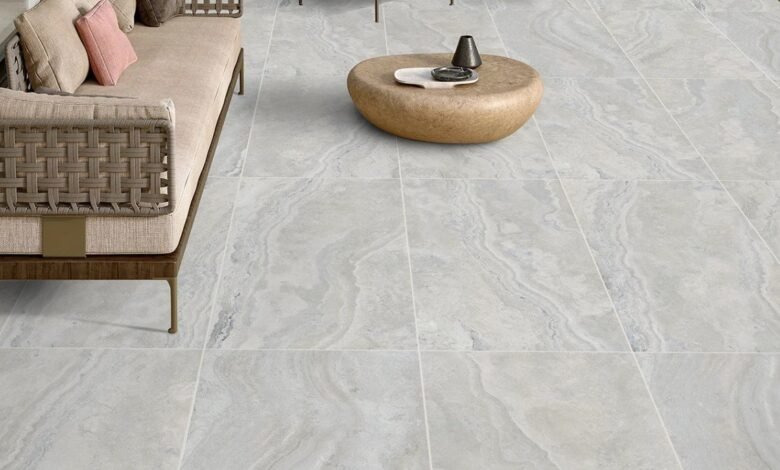
Neutral greys, warm stone tones and soft beiges tend to age well and pair easily with different furniture styles over time.
Designing Seamless Alfresco Areas
Connecting Indoors and Outdoors
One of the biggest trends in Melbourne homes is blurring the line between interior living spaces and outdoor entertaining zones. Choosing the right alfresco tiles is key to making that transition feel seamless.
A common approach is to echo the colour or tone of your internal flooring outside, even if the actual tile type or finish changes for performance reasons. Similar hues across both spaces make the whole area feel larger and more cohesive when doors are opened.
Balancing Style and Function
Alfresco zones often sit somewhere between fully exposed outdoor areas and fully protected interiors. They still need robust materials, but you can push the design a little further:
- Stone-look or concrete-look tiles for a modern, architectural feel
- Timber-look tiles for warmth without the maintenance of real decking
- Subtle pattern or texture to add visual interest without dominating the space
The goal is to create a surface that looks like an intentional extension of your interior design while still being ready for weather, spills and heavy use.
Working With Light, Shade and Scale
Outdoor and alfresco spaces change throughout the day as light moves. Before committing, view samples at different times—morning, midday and late afternoon—so you can see how the colour and texture behave in full sun, partial shade and overcast conditions.
Also consider how large or small your space is. In compact courtyards, using the same tile across the entire floor can make the area feel bigger. In larger backyards, you might mix formats—one tile for the main alfresco, another for paths or pool surrounds—while keeping the colour family consistent.
Choosing the Right Partner for Your Project
Tiles are a long-term investment, especially outdoors. A specialist supplier like Erneste can help you match performance requirements with design goals, guiding you through slip ratings, external suitability, drainage considerations and colour selection.
By taking the time to understand your lifestyle, Melbourne’s climate and the technical demands of exterior surfaces, you’ll be able to select outdoor and alfresco tiles that don’t just look impressive in the first few months—but continue to perform beautifully for many seasons of entertaining, relaxing and everyday living.