Creating a home gym sounds simple at first—clear a corner, add a few weights, maybe a yoga mat, and you’re done. But when you actually start thinking about a household where grandparents, parents, and kids all share the same space, things get a little more interesting.
You’re not just building a workout corner anymore. You’re designing a shared wellness space that needs to be safe, adaptable, and comfortable for different ages and fitness levels. And ideally, it should also look good enough that you don’t feel like you’ve turned your living room into a storage room for dumbbells.
Let’s talk about how to make that happen in a realistic, livable way.
Rethinking the Home Gym as a Shared Family Space
In multigenerational homes, space is always doing double (or triple) duty. A corner of the living room might also be a play area. A spare room might be a guest room, study, and storage zone at the same time.
So when you introduce a gym setup, it needs to blend into this rhythm instead of fighting against it.
This is where the idea of a safe and stylish home gym becomes more than just a design trend—it becomes a practical solution. Instead of bulky machines taking over a room, think modular, foldable, and multi-use equipment that can quietly exist in the background when not in use.
A good approach is to treat your gym space like you would a reading nook or coffee corner: intentional, but not overwhelming.
Choosing the Right Spot Without Overcrowding the Home
You don’t actually need a full room. In fact, most families don’t have one to spare.
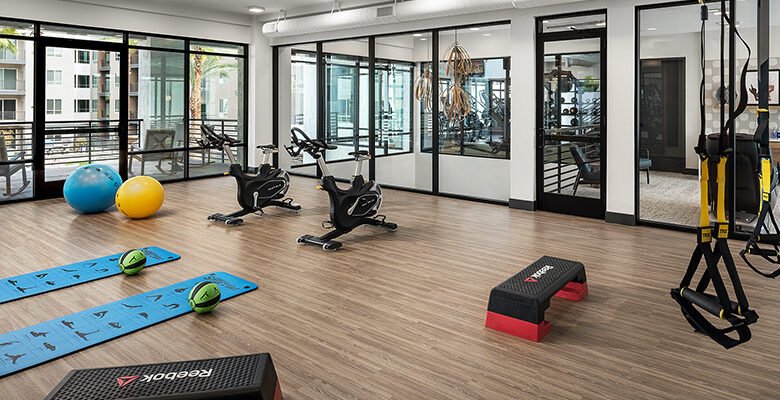
A corner near a window, part of a hallway extension, or even a section of a bedroom can work surprisingly well. Natural light is a bonus—it makes the space feel less “gym-like” and more inviting, especially for older family members who may prefer calm, bright environments.
One thing that helps a lot is visual separation. A rug, a low divider shelf, or even wall-mounted storage can define the gym zone without physically closing it off. This keeps the home feeling open while still giving the workout space its own identity.
And honestly, that subtle separation matters more than people realize. It helps everyone mentally switch between “rest” and “movement” mode.
Safety Comes First—Especially in Shared Homes
When multiple generations are using the same space, safety can’t be an afterthought. It becomes the foundation of the design.
Start from the floor up. Non-slip mats are a must, especially if older adults are using the area. Hardwood or tile alone can be risky during stretching or balance exercises.
Next, think about movement flow. The space should allow someone to move without bumping into furniture, sharp corners, or equipment left in awkward positions. This is especially important in a home gym for active seniors, where stability and accessibility matter more than intensity.
Lighting also plays a quiet but important role. Soft, even lighting reduces strain and helps prevent missteps, particularly in early morning or evening workouts.
And finally, keep emergency movement in mind. Nothing should feel trapped or difficult to step away from quickly if needed.
Space-Saving Equipment That Doesn’t Compromise Function
The biggest challenge in most homes is not motivation—it’s clutter. Equipment tends to pile up fast if you’re not careful.
This is where compact and multi-functional fitness solutions make a real difference. Adjustable resistance systems, foldable benches, and wall-mounted storage keep the area flexible.
Modern connected fitness setups are also becoming more popular because they combine multiple training styles in one footprint. Instead of having separate machines for strength, cardio, and mobility, you can often integrate them into a single system that takes up far less space.
For families looking into more structured solutions, platforms like Speediance offer smart, space-efficient equipment designed specifically for home environments. You can explore more about this approach through their guide on a safe and smart gym equipment for seniors, which focuses on making fitness accessible without overwhelming the home.
The key idea here isn’t to fill the room—it’s to reduce visual and physical clutter while still supporting a full range of movement.
Designing for Different Generations in One Space
This is where things get interesting.
A multigenerational gym isn’t just about equipment—it’s about flexibility in how the space is used.
For younger family members, it might be a place for strength training or high-energy workouts. For older adults, it may focus more on balance, mobility, and gentle strength exercises. And for everyone in between, it becomes a quick wellness stop during a busy day.
Instead of designing separate zones, think of shared adaptability. Adjustable equipment heights, easy-to-reach storage, and simple controls make the space usable for everyone without constant rearranging.
Even something as simple as keeping a chair or stable support bar nearby can make the space feel more inclusive for older users.
The goal is not to create separate fitness experiences—it’s to create one space that naturally adjusts to different needs.
Making It Visually Comfortable (Not Just Functional)
A home gym doesn’t need to look like a commercial studio. In fact, it probably shouldn’t.
Soft colors, warm lighting, and natural materials help the space feel more like part of the home. A few indoor plants can also soften the edges of exercise equipment and make the environment feel less rigid.
Storage matters here too. Open dumbbells and scattered resistance bands can quickly make even a well-designed space feel chaotic. Closed baskets or built-in shelving keep things tidy without much effort.
When done right, the space doesn’t scream “gym.” It just feels like a natural part of the home where movement happens when needed.
Encouraging Movement Without Pressure
One of the most overlooked parts of designing a shared fitness space is emotional comfort.
Not everyone in the house will be equally enthusiastic about exercise. Some might be returning after years of inactivity, while others may already have strong routines.
A well-designed space doesn’t pressure anyone. It invites them.
That might mean keeping equipment visible but not intimidating. Or making sure there’s always an easy, low-effort option available—like stretching or light mobility work.
In many ways, the environment itself becomes motivation. If the space feels calm, safe, and easy to use, people naturally engage with it more often.
Bringing It All Together
Designing a home gym for multigenerational living isn’t about perfection. It’s about balance—between safety and style, structure and flexibility, personal needs and shared space.
When you approach it thoughtfully, even a small corner of your home can support a wide range of movement and wellness habits across generations.
And that’s really the goal. Not a perfect gym setup, but a living space where health quietly becomes part of everyday life.
Because when fitness fits into the home instead of standing apart from it, it stops feeling like a task—and starts feeling like something everyone can actually enjoy.