Homes evolve just as lifestyles do. Features that once felt practical or stylish can quickly start to feel awkward, inefficient, or simply out of step with how spaces are used today. Many of the most dated elements aren’t dramatic eyesores; they’re subtle details that quietly age a home over time.
Updating doesn’t have to mean a full renovation. In many cases, small, considered changes can make a space feel calmer, more modern, and better suited to everyday life.
Glossy, High-Shine Finishes
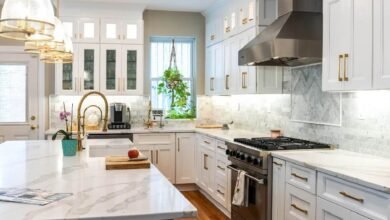
High-gloss kitchens, polished tiles, and shiny furniture surfaces were once associated with luxury. Now, they often feel cold, impractical, and surprisingly hard to live with. Fingerprints, smudges, and glare become constant distractions, especially in family homes or open-plan spaces.
Matte and soft-sheen finishes have taken over for good reason. They absorb light more gently, hide wear better, and create a warmer, more relaxed atmosphere. This shift is particularly noticeable in kitchens, where satin cabinetry and honed worktops feel calmer and more considered.
Overly Matchy Interiors
Rooms where everything matches perfectly, from furniture sets to colour-coordinated accessories, can feel flat and impersonal. This approach often dates a space faster than expected, as it reflects trends rather than lived-in style.
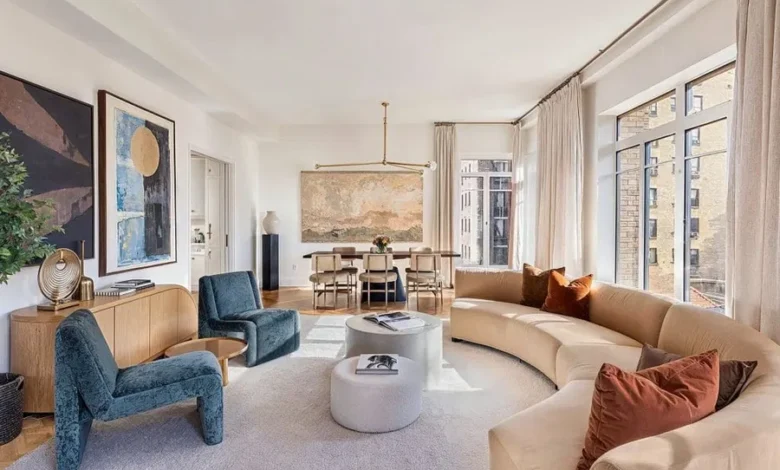
More layered interiors are replacing the showroom look. Mixing materials, finishes, and eras brings depth and personality without feeling chaotic. A wooden dining table paired with upholstered chairs, or soft textiles layered over structured furniture, instantly makes a space feel more current.
The same applies to flooring. Floors that feel too uniform or overly glossy can benefit from finishes with texture, variation, or natural grain, helping anchor the room rather than dominate it.
Feature Walls That Feel Forced
Bold feature walls had a long moment, but many now feel visually heavy or disconnected from the rest of the room. Strong colours or busy wallpaper on a single wall can interrupt flow, especially in smaller or open-plan spaces.
Homes are leaning towards more cohesive approaches instead. Soft colour drenching, tonal layering, or subtle texture across multiple surfaces creates a sense of continuity. Even gentle contrasts, such as slightly darker wood tones underfoot, can define areas without relying on a single dramatic wall.
Outdated Flooring Choices
Flooring is one of the easiest ways a home can feel dated. Worn carpets, orange-toned wood, glossy tiles, or thin laminate can quietly undermine an otherwise well-styled space.
Modern upgrades focus on warmth, texture, and longevity. Engineered wood flooring in softer, natural oak tones offers the character of real wood with better stability for everyday living. Parquet styles, such as herringbone or chevron, are also being used more subtly, adding interest without overwhelming a room.
Luxury vinyl tile is a popular replacement for older laminate or tiles, especially in kitchens and hallways, thanks to its realistic designs and water resistance. Updated laminate ranges with matte finishes and deeper texture also provide a more refined look.
Many homes now opt for flooring that flows between rooms, creating a calmer, more cohesive feel throughout the space.
Excessive Built-In Units
Wall-to-wall fitted furniture and bulky built-ins were once seen as efficient use of space. In reality, they can feel restrictive and inflexible, especially as needs change over time.
Homes are moving towards more adaptable layouts. Freestanding storage, modular shelving, and furniture that can be reconfigured offer flexibility without sacrificing function. This approach also makes spaces feel lighter and less permanent, which suits modern lifestyles far better.
Cold, Clinical Lighting
Bright white lighting, harsh spotlights, and overly uniform lighting plans can make rooms feel uninviting. This is particularly noticeable in living areas, bedrooms, and open-plan spaces where softer atmospheres matter most.
Layered lighting is now the preferred approach. Combining ambient lighting with table lamps, wall lights, and subtle accent lighting allows rooms to shift mood throughout the day. Warm bulbs paired with natural materials enhance this effect by reflecting light more gently.
Heavy Window Dressings
Thick curtains, bulky pelmets, and overly ornate blinds can block light and make rooms feel smaller than they are. While privacy is still important, modern window treatments aim to balance softness with openness.
Lighter fabrics, simple linen curtains, or streamlined blinds allow more natural light while still offering control. This pairs particularly well with warm flooring tones, helping rooms feel brighter without losing depth.
Is It Worth Updating These Features?
Updating common home features isn’t about chasing trends. It’s about making spaces work better, feel more comfortable, and age gracefully. Small changes often have a bigger impact than expected.
The most successful updates focus on longevity rather than novelty. Choosing materials and layouts that adapt over time helps homes stay relevant, comfortable, and genuinely enjoyable to live in.
Author Bio:
Sophie Marlowe is a digital content writer and outreach executive for Luxury Flooring. She specialises in crafting engaging blogs on home improvement and home decor with a focus on flooring. Sophie writes handy how-tos, easy guides, and helpful comparisons, letting the reader be informed and inspired to take their home to the next level.