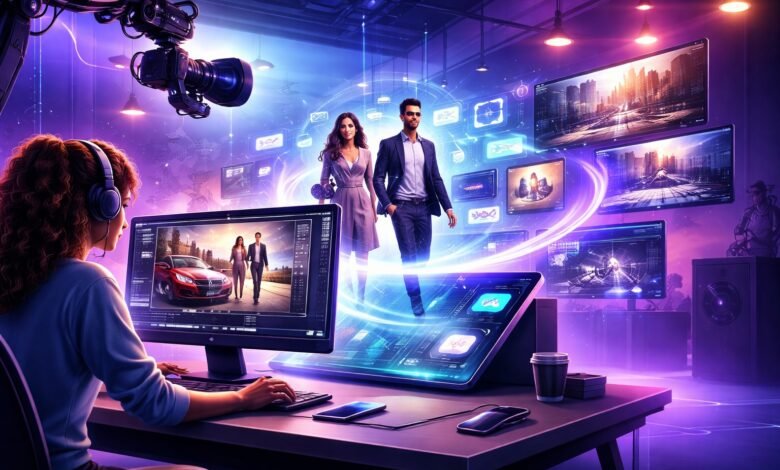
Turning a simple concept into a compelling video once required cameras, crews, editing suites, and hours of post-production. Today, artificial intelligence is reshaping that process. What used to take days can now happen in minutes, with AI models capable of generating cinematic visuals, synchronized audio, and structured storytelling from just a prompt or short script.
At the forefront of this transformation is Kling 3.0, a next-generation AI video model designed to deliver polished, story-driven clips with greater realism and control. When these capabilities are integrated into a broader creative platform like invideo, the result is not just innovation in isolation, but a practical workflow that helps creators move from imagination to finished video with clarity and confidence.
The Rising Demand for High-Quality AI Video
Video has become the dominant medium for communication across industries. Whether you are creating short-form social content, product demonstrations, brand campaigns, or training modules, video is often the most effective way to capture attention and deliver information quickly.
However, audience expectations have evolved. Viewers expect smooth camera motion, natural dialogue, consistent characters, and visually cohesive scenes. Early AI video tools often struggled to meet these standards, producing clips that felt fragmented or unrealistic.
The latest generation of AI video models focuses not only on generating visuals but also on maintaining narrative flow, audio precision, and visual stability. This shift makes AI a serious production partner rather than a novelty experiment.
Bringing Advanced Video Intelligence Into Everyday Workflows
Powerful models become truly impactful when they are accessible. The integration of Kling 3.0 into invideo’s ecosystem represents a practical step forward, placing advanced AI video generation inside a platform built for real-world content creation.
Instead of navigating complex systems or standalone tools, you can work within a structured environment that supports marketing videos, explainers, brand storytelling, and social content. The experience is streamlined: you provide a prompt, script, image, or reference, and the system handles scene direction, motion, and audio synchronization behind the scenes. For creators who prefer working on mobile, invideo also extends these capabilities through its ai video apps, making it easier to generate and refine content from virtually anywhere.
This approach ensures that advanced AI capabilities are not isolated features but integrated components of a broader creative workflow.
Cinematic Structure With Intelligent Scene Direction
One of the most significant improvements in modern AI video generation is its understanding of cinematic logic. Rather than producing disconnected visuals, the latest Kling model interprets how scenes should unfold.
Multi-shot sequencing allows you to generate a structured clip where camera angles, framing, and transitions follow a coherent narrative. Instead of manually stitching together segments, you receive a sequence that already feels directed.
The model also supports native audio integration, enabling synchronized dialogue with accurate lip movement. This creates character-driven scenes that feel more natural and immersive. With support for multiple languages and accents, you can adapt content for diverse audiences without compromising clarity.
Extended clip lengths of up to 15 seconds provide room for complete micro-stories, making it easier to produce ads, social snippets, or short narrative pieces that feel intentional rather than abrupt.
Maintaining Visual Consistency Across Scenes
Consistency has long been one of the biggest challenges in AI-generated video. Characters might change appearance between frames, or backgrounds could shift unexpectedly. The latest advancements focus heavily on solving this issue.
Character locking and scene stability help preserve facial features, clothing, and environmental elements across multiple shots. This is especially important for branded content, where visual continuity reinforces recognition and professionalism.
Storyboard flexibility adds another layer of control. You can begin with a text prompt, upload reference images, or adapt existing footage. Scenes can be refined or adjusted without starting from scratch, giving you room to experiment while maintaining structure.
Clear text rendering within scenes ensures overlays, captions, and on-screen elements appear legible and aligned, which is critical for marketing, e-commerce, and instructional videos.
A Noticeable Step Up From Earlier Generations
Compared to earlier versions, the latest Kling release demonstrates improved motion stability, stronger prompt adherence, and more realistic visual output. Camera movements feel deliberate rather than random. Lighting and texture appear more natural. Characters retain their identity across sequences with fewer inconsistencies.
For creators, this translates into fewer regeneration attempts and more predictable results. When the output closely matches your intent, you can focus on refining your message rather than troubleshooting technical artifacts.
Precision Tools for Production-Ready Output
Beyond basic generation, advanced features support more detailed creative control.
Reference-based generation improves subject accuracy, ensuring the final output closely resembles provided visuals or instructions. Character-focused tools allow you to develop expressive digital personas while preserving appearance and voice characteristics.
Audio-driven elements enable emotional nuance, allowing tone and expression to align with dialogue. These capabilities are particularly valuable for explainer videos, brand ambassadors, and character-led storytelling.
Together, these features transform AI video from a quick draft generator into a system capable of producing content suitable for public-facing campaigns.
Supporting a Wide Range of Creators
The integration of advanced AI video models into accessible platforms expands opportunities for many types of creators.
Marketers can produce performance-driven advertisements without lengthy production cycles. Agencies can prototype concepts quickly before investing in full-scale shoots. Small businesses can create professional promotional content without large budgets.
Educators and course creators can turn scripts into engaging lessons with visual reinforcement. Content creators running faceless channels can transform written ideas into compelling visual stories. Even experimental artists and independent filmmakers can test concepts rapidly, iterating based on audience feedback.
By reducing technical friction, AI empowers creators to focus more on storytelling and strategy.
From Concept to Impact
The evolution of AI video generation signals more than technological progress. It represents a shift in how creative work is approached. With models like Kling 3.0 embedded within platforms such as invideo, advanced capabilities become part of everyday workflows rather than standalone experiments.
Longer clip durations, intelligent scene direction, synchronized audio, and visual consistency allow you to tell fuller stories in less time. Instead of navigating complex production pipelines, you can move directly from idea to execution with fewer barriers.
As AI continues to mature, its role in video creation will likely expand further. What remains constant is the need for meaningful storytelling. When powerful technology aligns with practical usability, it creates an environment where imagination can translate into polished, impactful visuals—efficiently, consistently, and at scale.