Most vending operators are still running blind. They load the truck each morning, drive a fixed route, service every machine on schedule, and hope the math works out at month-end. The problem? Up to 40% of those stops are completely wasted—the machine didn’t need service at all.
Cloud-based telemetry changes that equation entirely. Whether you’re running a handful of combo vending machines in office parks or managing a fleet of 200+ units across a metro area, remote monitoring gives you one thing you’ve never had: real-time visibility into every machine, from anywhere.
This guide breaks down how vending telemetry works, where it saves real money, and how to adopt it smartly.
What Is Vending Machine Telemetry?
Telemetry is a small hardware device installed inside your vending machine. It reads data through the machine’s DEX (Digital Exchange) port and transmits it to a cloud dashboard via cellular, Wi-Fi, or Bluetooth.
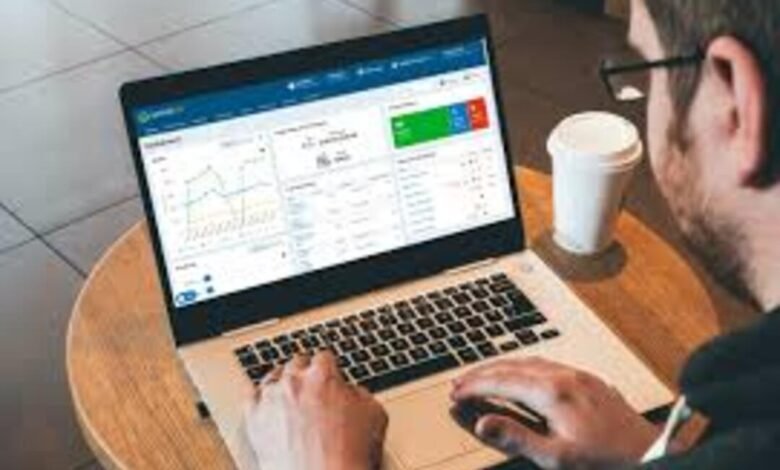
Once connected, your dashboard shows:
- Live sales data — revenue by product, slot, and time of day
- Inventory levels — see exactly which columns are running low
- Machine health alerts — compressor temp, door status, bill validator errors
- Cash box fill levels — know when to collect before overflow
- Online/offline status — instant notification if a machine goes dark
Think of it as a silent manager stationed at every machine 24/7—one that reports everything straight to your phone.
Fixed Routes vs. Telemetry-Driven Routes
The table below shows the operational shift remote monitoring enables:
| Factor | Fixed Route (No Telemetry) | Dynamic Route (With Telemetry) |
| Service visits | Every machine, every cycle | Only machines that need attention |
| Downtime detection | Discovered on next visit (days later) | Instant alert within minutes |
| Stockout awareness | Unknown until physical check | Real-time inventory by slot |
| Product decisions | Gut feeling / trial and error | Actual sales velocity data |
| Fuel & labor cost | High (many unnecessary stops) | Reduced 20–35% on average |
Three Areas Where Telemetry Pays for Itself
- Route Efficiency
Industry data suggests nearly 40% of scheduled stops find machines that didn’t need service. That’s fuel, labor, and vehicle wear spent on nothing. With telemetry, you only dispatch where there’s actual need. Operators typically cut total route time by 20–35% within the first quarter.
- Downtime Recovery
A jammed column or failed bill validator bleeds revenue silently for hours or days. Cloud monitoring alerts you the instant something fails. Catching a problem in 10 minutes versus 4 days can mean hundreds of dollars per incident—and those incidents stack up across a fleet.
- Product Mix Optimization
The most underused advantage. Telemetry shows which products sell fast and which sit untouched. Top operators treat each machine like its own micro-market, tailoring inventory to that location’s customers. Result: higher revenue per machine without adding a single new site.
What to Look for When Choosing a Telemetry System
- Full DEX compatibility — verify it works with your specific machine models. Partial data means partial decisions.
- Configurable threshold alerts — set custom triggers (stock below 25%, cash box at 80%, temp spikes), not just generic “offline” pings.
- Route optimization features — the best platforms recommend which machines to visit and in what order, based on live data and geography.
- Reliable connectivity — machines in basements or metal buildings need strong antennas. Intermittent data is worse than no data.
- Scalability — choose a platform built for fleet management from day one to avoid painful migration later.
Worth noting: many newer machines—including AI-powered smart vending machines—ship with telemetry-ready hardware built in, eliminating aftermarket installations and making the transition much smoother.
How Cloud Data Changes the Way You Choose Locations
Here’s a connection most guides miss. Telemetry doesn’t just improve existing operations—it transforms how you evaluate new placements.
Without remote data, placing a machine is a gamble. You negotiate a spot, stock it, and check back weeks later hoping it worked. With real-time monitoring, you know within days whether a location is worth keeping. You can compare performance across sites, test product mixes, and pull underperformers quickly instead of bleeding resources for months.
Of course, data only helps if your machines are in locations with real foot traffic to begin with. Operators who are actively growing often save significant time by working with a vending machine placement service to get matched with pre-vetted, high-traffic sites—then using telemetry to validate and optimize from day one. That combination of smart placement and real-time data is what separates operators who genuinely scale from those who just add machines and hope.
A Practical Rollout Plan
You don’t need to equip every machine at once. Here’s a phased approach:
- Start with your top 20%. Install on your highest-revenue machines first—where downtime costs the most and product optimization has the biggest upside.
- Run it for 60–90 days. Learn the dashboard, check alerts every morning, adjust routes using real data. Track fuel, labor, and per-machine revenue against your old numbers.
- Expand based on ROI. Efficiency gains from the first batch typically fund the next round of installations.
Bottom Line
Cloud monitoring isn’t a luxury anymore—it’s fast becoming the baseline for profitable vending operations. It cuts waste, recovers lost revenue, and replaces gut-feel decisions with hard numbers. The tools are accessible, the ROI shows within a quarter, and the learning curve is gentler than most expect.
The only real risk? Sticking with the clipboard-and-windshield approach while more efficient operators take the locations and margins that could have been yours.