Intelligent Seating Design Through Advanced Generators
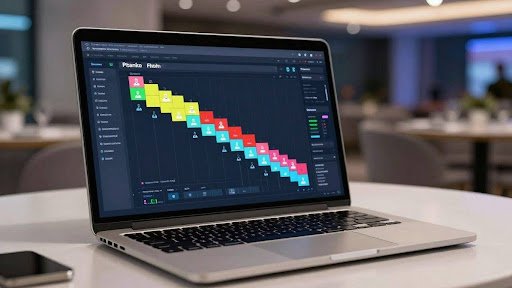
Planning seating arrangements used to be a headache. Now, digital tools offer advanced generators that take the guesswork out of it. These systems can quickly create intelligent seating designs, considering various factors like guest count, table shapes, and room layout. This automation saves significant time and reduces the stress often associated with complex seating charts. The seating plan generator feature is a game-changer for event organizers.
Intuitive Seating Chart Maker for Efficient Planning
Creating a seating chart doesn’t have to be complicated. An intuitive seating chart maker allows planners to easily drag and drop guests into place. This visual approach makes it simple to manage guest lists and table assignments. The ease of use means that even those new to event planning can create professional-looking charts quickly.
Automated Conflict Detection and Optimal Placement Suggestions
Digital seating tools go beyond simple placement. They include automated conflict detection, flagging issues like double bookings or guests who shouldn’t be seated together. Furthermore, these platforms can offer optimal placement suggestions based on guest relationships or preferences. This smart functionality helps create a more harmonious and enjoyable experience for everyone attending the event.
Transforming Venue Selection With Technology
Revolutionizing Research with Online Venue Directories
Finding the right event space used to mean endless phone calls and site visits. Now, online venue directories change all that. These platforms put a huge amount of information right at your fingertips. You can quickly search for venues based on location, how many people it holds, what features it has, and even its style. It’s a much faster way to start your search.
These directories often have detailed profiles with photos, floor plans, and reviews from past events. This helps you compare different options without leaving your office. This makes the initial research phase far more efficient. Using these tools means you spend less time hunting for information and more time evaluating the best fits for your event.
The shift to digital directories means event planners can access a wider range of venue options and detailed information, speeding up the crucial first step of event planning.
Customizable Search Filters for Precise Venue Matching
Beyond basic searches, digital tools offer advanced filters. Think about needing a venue with specific catering options, ample parking, or a particular type of ambiance. Customizable search filters let you narrow down your choices with precision. You can specify everything from the number of breakout rooms to the availability of AV equipment.
This level of detail is a game-changer. Instead of sifting through dozens of unsuitable places, you get a curated list of venues that truly meet your needs. This targeted approach saves a lot of time and effort. It’s about finding the perfect match, not just a match.
- Capacity requirements
- Budget constraints
- Specific amenities (e.g., Wi-Fi, stage)
- Accessibility features
Virtual Tours and Augmented Reality for Remote Evaluation
Imagine being able to walk through a venue without actually being there. Virtual tours and augmented reality (AR) make this possible. These technologies offer 360-degree views of event spaces, letting you get a real feel for the layout and atmosphere. You can explore different rooms, check out the lighting, and even visualize how furniture might be arranged.
This is incredibly useful, especially for planners working with clients from out of town or planning events in a different city. It cuts down on travel time and costs significantly. AR tools can even let you experiment with different setups, helping you make better decisions before you commit.
Virtual venue evaluation is becoming a standard part of the planning process. It provides a level of insight that was previously impossible without physical visits, making the venue selection process more accessible and informed for everyone involved.
Enhancing Event Logistics With AI Tools
Smarter Timelines and Organizational Support
Artificial intelligence is changing how event planners manage their schedules. AI tools can quickly build draft timelines for events, from small parties to big conferences. They look at things like the type of event and how many people are coming. This gives planners a solid starting point. But, real planning still needs a human touch. Experienced planners know that every venue is different. They understand how to adjust schedules for things like setting up, changing rooms between events, serving food, and when performers go on stage. These details need a person’s insight.
Streamlined Communication and Planning Processes
AI helps make talking and planning much simpler. It can help sort through emails and messages, making sure important information doesn’t get lost. AI tools can also help write clearer messages, cutting down on confusing jargon. This means everyone involved in the event understands what’s happening. For managing group events, AI can be a big help. It can manage calendars and suggest times for meetings or tours, cutting down on endless email chains. AI can even look at incoming requests and figure out which ones are most likely to lead to a booking, helping teams focus their energy where it counts.
AI can help sort through emails and messages, making sure important information doesn’t get lost. It can also help write clearer messages, cutting down on confusing jargon. This means everyone involved in the event understands what’s happening.
AI-Powered Diagramming for Floor Plans and Layouts
Creating floor plans and layouts for events can be tricky. AI tools can now create detailed, interactive diagrams. These help people see how an event space will look. AI can suggest good ways to arrange seats, plan how people will move around, or where to put equipment. This is based on how many people are expected and what kind of event it is. This visual help builds confidence, especially for venues that aren’t standard shapes. It lets planners picture their event in the space even before they visit. This kind of planning makes the whole process smoother and reduces back-and-forth questions. The use of AI in event planning is growing, making logistics easier.
Leveraging Digital Tools for Venue Performance
Automating Data Entry for Sales Systems
Manual data entry into sales systems is a thing of the past. Digital tools now automate this process, pulling information directly from booking platforms and client interactions. This means less time spent on tedious paperwork and more time focusing on actual client relationships. This automation significantly reduces errors and speeds up the sales cycle. It’s about making sure the data is accurate and readily available for quick analysis.
Dynamic Rate Optimization Based on Demand
Venue pricing can now adjust automatically based on real-time demand. Digital tools analyze booking patterns, seasonality, and local event calendars to suggest optimal pricing. This dynamic approach helps venues maximize revenue during peak times and attract bookings during slower periods. It’s a smart way to keep rates competitive and profitable. This kind of performance tracking is key for modern venue management.
Aggregating Feedback for Strategic Improvement
Gathering and analyzing client feedback is vital for any venue looking to improve. Digital platforms can aggregate reviews, survey responses, and direct comments from various sources into one dashboard. This consolidated view makes it easier to spot trends, identify areas for improvement, and understand what clients truly value. It helps venues make informed decisions about upgrades and service adjustments.
Making data-driven decisions based on aggregated feedback allows venues to adapt quickly to market changes and client expectations, leading to sustained success and repeat business.
Here’s a look at how feedback aggregation can work:
- Review Sites: Pulling ratings and comments from platforms like Google, Yelp, and industry-specific review sites.
- Direct Surveys: Sending out post-event surveys via email or through the booking platform.
- Social Media Monitoring: Tracking mentions and sentiment on social media channels.
- Internal Notes: Capturing feedback shared directly with sales or management teams.
The Role of the Seating Planner in Modern Events
Simplifying Complex Seating Arrangements
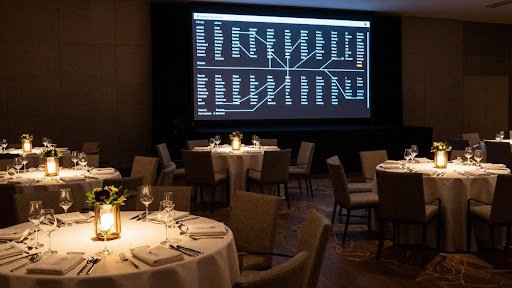
Event planners often face the challenge of arranging seating for a diverse group of guests. This can involve intricate family dynamics, professional relationships, and personal preferences. A digital seating planner takes the guesswork out of this process. It allows organizers to easily input guest information and relationships, then uses smart algorithms to suggest optimal table placements. This makes complex seating arrangements much simpler to manage.
The seating planner acts as a digital assistant, handling the heavy lifting of guest placement. It can quickly identify potential conflicts, like seating individuals who may not get along, or ensure that key people are positioned appropriately. This tool is not just about putting names on tables; it’s about creating a harmonious atmosphere for the event.
This approach saves significant time and reduces stress for the event organizer. The ability to visualize and adjust seating plans in real-time means that last-minute changes are no longer a major headache. The seating planner is a powerful tool for anyone looking to streamline this often-difficult aspect of event organization.
Facilitating Guest Bonding Through Strategic Placement
Beyond just logistics, a well-designed seating chart can significantly impact the guest experience. Strategic placement can encourage interaction and networking among attendees. A digital seating planner helps achieve this by allowing organizers to group guests based on shared interests, professional backgrounds, or social connections.
By using the seating planner to thoughtfully arrange guests, event organizers can create opportunities for new connections and conversations. This thoughtful approach can turn a standard event into a more engaging and memorable occasion. It’s about more than just filling seats; it’s about fostering a positive environment.
Thoughtful seating arrangements can transform an event from a passive gathering into an active, engaging experience where guests connect and enjoy themselves more fully.
This focus on guest experience is what sets apart successful events. The seating planner provides the tools to make these connections happen, ensuring guests feel comfortable and encouraged to interact.
Becoming an Essential Tool for Event Organizers
In today’s event planning landscape, efficiency is key. Digital seating planners have moved from being a novelty to a necessity for many organizers. They offer a streamlined workflow that manual methods simply cannot match. The ability to manage guest lists, design layouts, and make adjustments all within one platform is invaluable.
This digital seating planner is becoming indispensable because it directly addresses common pain points in event management. It saves time, reduces errors, and ultimately contributes to a more successful event. The seating planner is no longer just a nice-to-have; it’s a core component of modern event execution.
Here’s why it’s so important:
- Time Savings: Automates tasks that would take hours manually.
- Error Reduction: Minimizes mistakes in guest placement and table assignments.
- Enhanced Guest Experience: Facilitates better social interactions.
- Flexibility: Allows for easy adjustments to seating plans.
The seating planner is a prime example of how technology is making event planning more efficient and effective.
Integrating Technology for Seamless Event Execution
Managing Group Events with AI Assistants
AI assistants are changing how large group events are handled. They can help organize schedules, send out reminders, and even answer common guest questions. This frees up human planners to focus on bigger issues. AI can manage the repetitive tasks, letting people handle the personal touches. For example, an AI assistant can track RSVPs for a corporate conference or send out venue details to attendees. This makes managing a large guest list much simpler.
Prioritizing Inquiries for High-Potential Leads
When planning events, especially for businesses, sorting through potential clients is key. AI tools can look at incoming requests and figure out which ones are most likely to turn into booked events. They analyze things like budget, event size, and how quickly the client responds. This helps event professionals spend their time on the most promising opportunities. It’s about working smarter, not just harder, when it comes to securing new business. This prioritization is a big help.
Problem Solving Remotely With Event Management Apps
Event management apps are a lifesaver when issues pop up during an event. Planners can use these apps to communicate with staff, vendors, and even clients in real-time, no matter where they are. If a catering issue arises or a speaker is running late, a quick message through the app can help sort it out fast. This remote problem-solving capability is vital for keeping events running smoothly. It means that even if the main planner isn’t physically present at every single moment, they can still oversee and manage things effectively. The use of these apps is a clear sign of how technology is making event planning more adaptable.
The Way Forward
Digital tools for event seating are really changing the game. They take a big chunk of the stress out of planning, letting organizers focus on the fun stuff, like making sure guests have a good time. From figuring out who sits where to making sure everyone’s comfortable, these platforms handle the tricky bits. It means less time spent on spreadsheets and more time creating memorable events. As these tools get even smarter, they’ll become even more important for anyone planning anything, big or small.