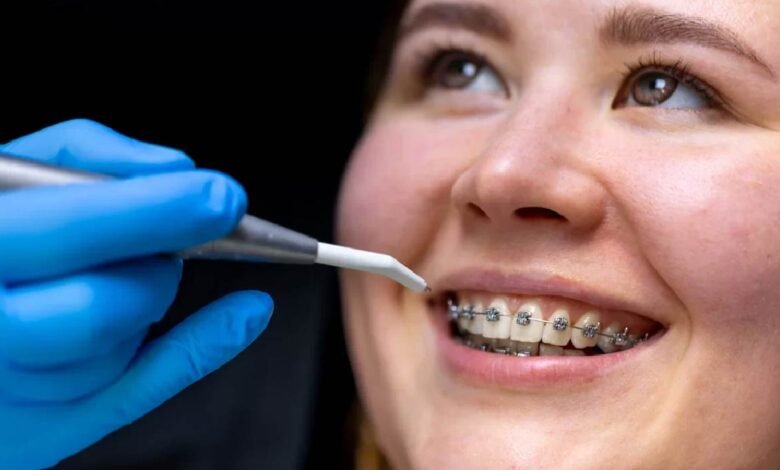
In recent years, orthodontic care has changed significantly as more patients seek faster, more convenient ways to straighten their teeth. While traditional braces remain effective, many now prefer solutions that deliver quicker results. This has led orthodontists to adopt modern, efficient, and comfortable methods, like Quick braces, which are designed to align teeth more efficiently while maintaining high standards of care. These faster options are changing how orthodontic treatment is planned and delivered, making it easier for patients to achieve their desired smiles without long-term commitments. This demand reflects today’s fast-paced lifestyles, as people value treatments that fit into their busy schedules. In response, orthodontists are offering innovative techniques that balance speed with safety and long-term effectiveness.
Why Patients Are Choosing Faster Braces Options
Patients are now more informed about their orthodontic treatment options. With easy access to online information, many seek solutions that offer quick, visible results without a long-term commitment. Adults, in particular, are driving this demand, as they look for treatments that fit into their busy professional and personal lives. Shorter treatment times also appeal to teenagers, allowing them to balance orthodontic care with school and other activities. Seeing early progress keeps patients motivated and committed to their dental care routines.
Advances in Technology Support Faster Results
Technological innovation has been a major factor in speeding up orthodontic treatments. Modern digital tools, like 3D modeling and imaging, allow orthodontists to analyze tooth alignment with greater precision and develop customized treatment plans. This level of accuracy helps create efficient strategies that reduce unnecessary adjustments and delays. Improved materials have also contributed to faster results. Today’s braces are designed to apply consistent pressure, encouraging smoother, more controlled tooth movement and reducing the likelihood of complications. Advanced planning tools also help orthodontists monitor progress in real time, ensuring adjustments are made at the right moments to keep the treatment on schedule and support successful outcomes.
Improved Comfort Enhances the Patient Experience
Comfort is a top priority in modern orthodontic care, with faster braces options designed with the patient in mind. New techniques reduce discomfort during placement and adjustments, making the treatment process more manageable. A shorter treatment duration means fewer appointments and less time wearing braces, which can reduce irritation and help patients adapt more quickly. Convenience also plays an important role. Many orthodontic practices now offer flexible scheduling and digital communication tools to simplify managing appointments and receiving updates. These improvements help patients stay engaged throughout their treatment. A positive experience encourages patients to remain committed to their treatment plans, leading to better results and healthier smiles.
Personalized Treatment Plans Lead to Better Outcomes
Because every patient’s dental needs are unique, personalized treatment plans are crucial for faster, more accurate results. Orthodontists evaluate tooth alignment, bite patterns, and oral health to create customized plans that focus on specific adjustments. This targeted approach improves efficiency by eliminating unnecessary steps and tailoring solutions to individual goals. Regular monitoring is also key, as orthodontists track progress and make adjustments to keep treatment on schedule. These follow-ups prevent delays and ensure that faster treatment options remain safe and effective, balancing speed with long-term dental health.
The Role of Patient Responsibility in Faster Orthodontic Care
While modern technology plays a major role in faster treatment, patient responsibility is equally important. Following your orthodontist’s instructions and maintaining good oral hygiene are essential for achieving the best results. Patients who brush and floss regularly help prevent complications that can slow down treatment. Avoiding certain foods and attending all scheduled appointments also supports an efficient timeline. Ultimately, active participation and responsible habits ensure that faster orthodontic options deliver the expected benefits while maintaining your long-term dental health.
Conclusion
The future of orthodontic care is centered on speed, precision, and patient satisfaction. Advances in digital planning, materials, and treatment techniques are expected to make orthodontics even more efficient. As orthodontists refine their methods to meet the growing demand for faster results, new innovations will likely improve accuracy and shorten treatment times. Faster braces aren’t just a trend—they represent a new standard in orthodontic care, helping patients achieve healthier, more confident smiles in less time through modern technology and personalized planning.