Abdominal fat and core fitness are often discussed together, but they are not exactly the same goal. Where the body stores fat is influenced by factors such as genetics, overall body composition, physical activity, sleep, stress, and lifestyle habits. Active yoga for belly fat can contribute to regular movement while engaging several muscle groups, whereas yoga for a flat tummy can support core strength, posture, and body control. However, no yoga pose can selectively remove fat from the abdomen. A practical approach focuses on regular physical activity and sustainable habits rather than expecting specific poses to produce immediate changes in one area.
How Yoga Can Complement Efforts to Reduce Belly Fat
For people exploring active yoga for belly fat, dynamic sequences can provide physical activity while engaging the core, legs, shoulders, and back. The intensity of a yoga practice varies according to the style, pace, duration, and individual effort. Regular movement can contribute to an active lifestyle, but changes in body fat depend on multiple factors and cannot be attributed to one exercise alone.
Boat Pose – Engages the abdominal muscles while requiring controlled balance and stable positioning.
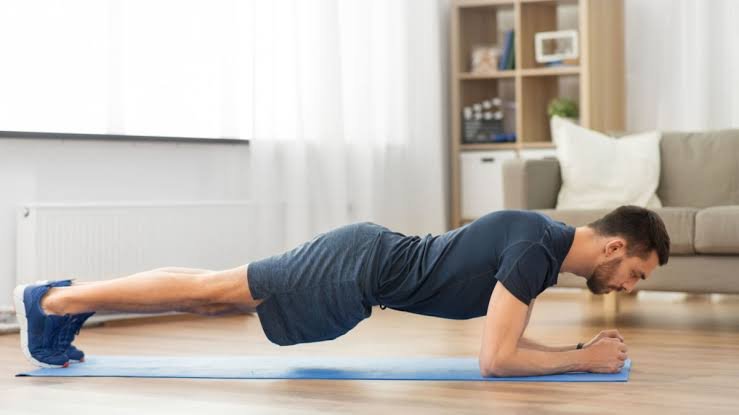
Plank Pose – Activates the core along with the shoulders, arms, and legs to develop whole-body stability.
Chair Pose – Strengthens the lower body while requiring the abdominal muscles to support an upright position.
Cobra Pose – Encourages controlled spinal extension while engaging the back muscles and supporting postural strength.
These poses can be incorporated into a broader sequence based on individual ability. Beginners can start with shorter holds or modified variations rather than trying to maximise intensity immediately. Over time, regular practice can contribute to better strength, mobility, and movement control.
Can Yoga Support a Flatter-Looking Tummy
When considering yoga for a flat tummy, it is useful to distinguish between abdominal fat reduction and improvements in core strength and posture. Stronger core muscles can support stability and controlled movement, while improved posture may affect how the midsection appears. However, yoga cannot guarantee a particular waistline or selectively reduce abdominal fat.
Forearm Plank – Creates sustained core engagement while challenging the shoulders, hips, and legs to maintain stability.
Dead Bug – Develops controlled abdominal engagement by coordinating opposite arm and leg movements.
Locust Pose – Strengthens the back body while supporting balanced engagement of the muscles around the trunk.
Half Boat Pose – Offers a modifiable variation that challenges the abdominal muscles through controlled positioning.
Practitioners can focus on performing these movements with control rather than simply trying to hold a pose for as long as possible. Building core strength is a gradual process, and improvements may be reflected through better balance, posture, stability, and confidence during movement.
How Everyday Habits Support Core and Weight-Management Goals
Yoga can be one part of an active lifestyle, but progress does not depend on a few abdominal exercises. Regular movement throughout the day can complement structured practice. Walking, taking short movement breaks during long periods of sitting, and staying generally active can help make physical activity a more consistent part of everyday life.
Consistency is also important. Practising manageable yoga sessions regularly can be more sustainable than occasionally attempting demanding routines. As strength and mobility improve, practitioners can gradually increase the duration or difficulty of movements according to their ability.
It is also important to keep expectations realistic. Fat distribution varies from person to person, and changes may not occur evenly across the abdomen or other areas. Improvements in strength, flexibility, posture, balance, and stamina can provide useful indicators of progress alongside changes in body composition.
How Beginners Can Build Core Strength Safely
Beginners can start with shorter holds and simpler variations before progressing to more demanding core movements. Using a wall, chair, block, or other support can make certain poses easier to control. The focus should be on steady breathing, comfortable alignment, and controlled movement rather than holding a position for as long as possible.
Core exercises should not cause sharp or persistent pain. If a movement creates discomfort in the lower back, neck, or other areas, reducing the range of motion or choosing a modified variation may be appropriate. Persistent pain or other concerning symptoms should be discussed with a healthcare professional.
People with existing injuries, significant mobility limitations, or health conditions may also benefit from professional guidance before starting or intensifying an exercise routine. A qualified yoga instructor can help adapt movements to individual needs.
Building a Consistent Practice
A sustainable yoga routine should fit realistically into everyday life. Choosing manageable practice times and gradually developing strength can make it easier to maintain the habit over the long term.
It can also help to measure progress beyond appearance. Holding a pose with greater control, moving more comfortably, maintaining better posture, or feeling stronger during everyday activities can all reflect improvements in physical fitness.
Rather than focusing exclusively on achieving a particular abdominal appearance, practitioners can use yoga to develop a stronger and more capable body. Combining regular movement with other healthy lifestyle habits provides a more practical foundation for long-term physical wellbeing.
Conclusion
Yoga can support overall physical activity, core strength, posture, balance, and movement control as part of a broader fitness routine. While specific poses can strengthen the abdominal and surrounding muscles, they cannot guarantee targeted fat loss or a particular stomach shape. A consistent practice, gradual progression, and realistic expectations are more sustainable than pursuing quick results. Focusing on functional improvements alongside appearance can help create a balanced approach to long-term physical fitness.