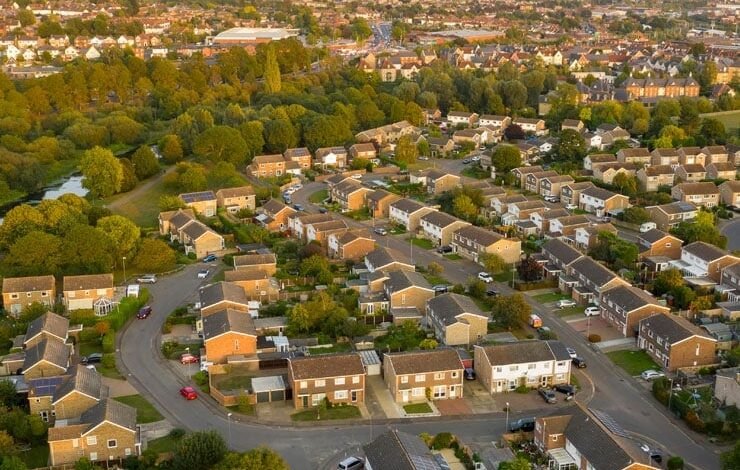
Buying a home is never just about the property itself. The location matters just as much, especially when thinking long term. Buyers want stability, good value, and a place that still makes sense years down the line.
One location that continues to attract attention is Colchester. Often described as one of the UK’s oldest towns, Colchester has developed into a modern commuter-friendly area with strong buyer interest and steady demand.
But the real question in 2026 is simple: is Colchester still a good place to buy a house?
Let’s break it down in a clear, practical way.
A Market That Has Stayed Surprisingly Steady
One of the most important things to understand about Colchester is that its property market has not been wildly unpredictable.
Recent data shows that average house prices are sitting around the £290,000–£310,000 range, with only small year-to-year changes rather than dramatic rises or falls.
This matters because stability is often a positive sign for buyers. It suggests:
- the market is not overheating
- demand is consistent
- price changes are gradual rather than risky
In simple terms, Colchester is not a “boom and crash” market. It behaves more steadily, which is often what long-term buyers prefer.
Strong Commuter Appeal Still Drives Demand
One of the biggest reasons Colchester remains attractive is its location.
It is well connected to London, which makes it popular with people who:
- work in the capital but want lower property prices
- prefer a quieter lifestyle outside the city
- still need regular rail access for commuting
This commuter demand plays a major role in keeping the market active.
Even when broader UK conditions slow down, commuter towns like Colchester often maintain interest because people still need homes within reach of London.
Recent trends also show Colchester being highlighted as part of affordable commuter hotspot patterns across the UK.
A Balanced Mix of Buyers
Another reason Colchester performs steadily is the variety of people buying there.
The market is not dependent on just one group. Instead, demand comes from:
- first-time buyers entering the market
- families moving for more space
- London commuters relocating for value
- investors looking for rental opportunities
When demand is spread across different groups, the market becomes more stable and less vulnerable to sudden changes.
This is one of the key strengths of Colchester compared to smaller or overly specialised markets.
Property Prices Still Offer Relative Value
While prices have increased over the long term, Colchester is still seen as more affordable compared to many parts of the South East.
The average price of around £300,000 places it below many nearby commuter locations, while still offering access to London and strong local amenities.
This balance is important because buyers today are more focused on:
- what they get for their money
- monthly affordability
- long-term financial comfort
Colchester often provides more space and better value compared to buying closer to London, which continues to support demand.
Rental Demand Supports the Market
Colchester is not just a buying market—it is also a strong rental area.
Rents have been rising steadily in recent years, showing ongoing demand from tenants.
This matters for two reasons:
- it attracts landlords and investors
- it supports overall property values
A strong rental market usually indicates that people want to live in the area even if they are not buying immediately. That helps keep the housing market active.
Lifestyle Is a Major Factor
Beyond numbers and prices, lifestyle plays a huge role in Colchester’s popularity.
It offers:
- a historic town centre with modern facilities
- schools and family-friendly neighbourhoods
- parks and green spaces
- shopping, restaurants, and leisure options
For many buyers, this combination is important. They want convenience, but also space and quality of life.
Colchester sits in a middle ground—it is not a busy city, but it is not isolated either.
Housing Variety Keeps Demand Spread Out
Another advantage is the range of housing available.
Buyers can find:
- starter flats for first-time buyers
- terraced homes in established areas
- semi-detached family houses
- newer developments on the outskirts
This variety means different types of buyers can enter the market at different price points.
When a location offers options at multiple levels, it naturally maintains steady demand.
Market Competition Is Present, But Not Extreme
Colchester is active, but not overheated.
Homes do sell, but buyers usually have:
- some time to consider options
- a reasonable level of choice
- less pressure compared to London markets
However, well-priced homes in good areas can still move quickly.
This creates a balanced environment where buyers need to act sensibly, but not rush into panic decisions.
Long-Term Growth Perspective
Looking at long-term performance, Colchester has shown gradual growth over the past several years.
Data suggests an overall increase in property values over a 5-year period, although not at extreme levels.
This type of growth is often seen as healthier because:
- it reduces risk of sudden drops
- it avoids overinflated pricing
- it supports steady confidence in the market
For long-term buyers, this is usually more attractive than unpredictable price spikes.
Differences Between Areas Matter
Like most towns, not all parts of Colchester behave the same way.
Demand can vary based on:
- proximity to train stations
- school catchment areas
- neighbourhood reputation
- new housing developments
This means buyers need to look beyond the town as a whole and focus on specific areas that match their needs.
Local knowledge becomes especially important here.
The Role of Local Guidance
Buying in a steady but competitive market still requires a good understanding of local conditions.
Working with experienced estate agents in Colchester can help buyers:
- understand fair pricing in different neighbourhoods
- avoid overpaying in high-demand areas
- identify properties that offer better long-term value
- make decisions based on real local demand, not just listings
With proper guidance, local estate agents in Colchester can help buyers navigate the market more confidently and avoid common mistakes.
Final Verdict: Is Colchester a Good Place to Buy in 2026?
Yes, but with realistic expectations.
Colchester is not a fast-flipping or high-risk market. Instead, it is:
- steady
- commuter-driven
- fairly balanced in supply and demand
- supported by long-term housing need
It is best suited for buyers who are looking for:
- stability rather than speculation
- a mix of lifestyle and convenience
- long-term living rather than short-term gains
Conclusion
Colchester continues to be a strong and practical choice in 2026.
It may not be the most dramatic or fast-moving market in the UK, but that is actually part of its strength. Stability, steady demand, and consistent appeal make it a reliable option for many types of buyers.
For anyone considering buying a home here, the key is not to focus on timing the market—but to focus on finding the right property in the right area for long-term living.