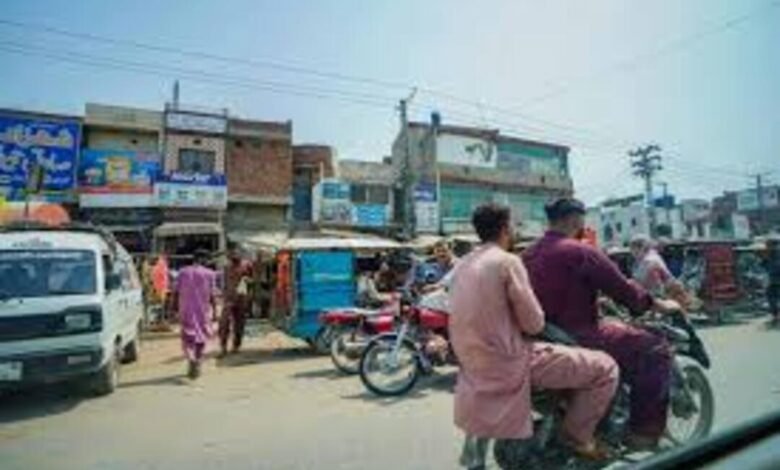
Choosing your first city in Pakistan can shape the whole trip. Lahore, Islamabad and Karachi each give a very different introduction, and none of them stands in for the country as a whole. The right choice depends less on which city is “best” and more on what kind of pace, food, atmosphere and day-to-day experience you want from the trip. If you are looking at flights to Pakistan, it is worth deciding early whether you want a city break built around food and history, a calmer base with easier logistics, or a bigger, busier place that shows a different side of the country.
This matters because these cities do different jobs for different travellers. Some people book flights to Pakistan imagining old streets, Mughal landmarks and late dinners outdoors. Others want a smoother arrival, cleaner layout and a more manageable start before heading north. Some want the scale and energy of a large coastal city where modern life, business, food and movement all collide. Pakistan can support all three kinds of trip, but you will get more out of it if your first stop matches your style.
Many travellers also combine one city with northern Pakistan rather than treating the city as the whole holiday. A few days in Lahore or Islamabad, followed by time in Hunza, Skardu or the north more broadly, often works better than trying to force too many urban stops into one trip. Karachi can also be part of a wider route, but it tends to suit travellers who want to understand a major city in its own right rather than simply pass through it.
Lahore: for travellers who want character, food and visible history
Lahore tends to appeal to travellers who want a city that feels full from the moment they arrive. It has weight to it. The history is easy to see, the food culture is central to everyday life, and the atmosphere often feels social rather than reserved. If your idea of a first Pakistan trip involves old city streets, major landmarks and evenings built around where to eat, Lahore makes a strong case.
In practical terms, Lahore works well because a lot of what first-time visitors want is concentrated in a way that feels rewarding. The Badshahi Mosque, Lahore Fort and old city areas give the trip a strong historical backbone without needing long explanations. You can feel the city’s layers simply by moving through it. One short example says a lot: in the same day, you can start at a major Mughal site, stop for a long lunch, then spend the evening in a part of the city where the main question is not what to do next, but what to order next.
Food is one of Lahore’s clearest strengths. That does not just mean famous dishes or restaurant names. It means the city often feels organised around eating well and eating properly. Meals tend to be part of the shape of the day, not just a break from sightseeing. For some travellers, that alone makes Lahore the easiest city to connect with.
The pace, though, is not especially soft. Lahore can be busy, loud and crowded, especially if you are moving between popular areas at peak times. It suits travellers who enjoy being in the middle of things rather than standing slightly outside them. If you like cities that feel lived in, layered and a bit intense in the best way, Lahore often lands well. If you want a neater, quieter start, another city may be easier.
Islamabad: for a calmer first trip and easier onward travel
Islamabad offers a different kind of first impression. It is more orderly, more spacious and often easier to navigate than Lahore or Karachi. That can make it a very good starting point for travellers who want to settle in gently, especially if Pakistan is part of a wider trip or if the plan is to continue into northern Pakistan soon after arrival.
Its atmosphere is not built around density or constant motion. Instead, Islamabad tends to feel more measured. Roads are broader, neighbourhoods are more clearly laid out, and the city can feel less demanding on a first visit. A short example captures the difference: a day in Islamabad may involve a museum, a viewpoint, a meal in a quieter setting and straightforward transfers between stops. In Lahore, the same day might feel more packed, more social and more immediate.
Food in Islamabad is good, but it usually plays a different role than it does in Lahore. The city has solid options, but it is not defined by the same kind of food-first identity. History is present too, though less dramatically embedded into the city’s everyday texture. You are less likely to feel that each street is carrying visible layers of the past. Islamabad’s appeal is more about ease, setting and balance.
That practical ease matters. For many travellers, Islamabad works best as a clean base before heading north. If you are planning to combine city time with Hunza, Skardu or other northern areas, Islamabad often makes the route simpler. It gives you a manageable arrival, time to reset, and a smoother bridge into the mountain part of the trip.
This city suits travellers who value comfort, layout and breathing room. It can also work well for people who are less interested in urban intensity and more interested in building a balanced trip with a city element included.
Karachi: for scale, variety and a more modern urban experience
Karachi offers yet another version of Pakistan. It is larger in feel, more commercially driven, more coastal in character and often more demanding than the other two cities. For some travellers, that makes it the most interesting. For others, it makes it a better second or third visit rather than a first.
What Karachi offers is scale and contrast. The city does not present itself in one simple frame. Instead, it unfolds through movement: business districts, older quarters, food spots, seafront stretches, heavy traffic and a broader sense of urban life that feels different from both Lahore and Islamabad. A short example helps here too: in Karachi, a day can involve a long drive between areas that each feel like they belong to slightly different versions of the same city.
Its food scene is one of its strongest practical appeals. Karachi is serious about food in its own way, and many travellers end up remembering meals as clearly as the places they visited. The city also has a directness that some people enjoy. It feels less polished than Islamabad and less historically staged than Lahore, but more expansive and varied in everyday urban terms.
History is present, but not always in the same headline form as Lahore. Karachi’s appeal is often more about atmosphere, scale and city life than monument-led sightseeing. That makes it a strong fit for travellers who like understanding how a place works, not just what its postcard sites look like.
The main limitation is that Karachi can be tiring if you are looking for an easy first stop. Distances within the city can be long, traffic can shape the day, and the overall experience can feel more sprawling. It suits travellers who are comfortable with big-city energy and do not mind that the rewards come through contrast rather than neat presentation.
Which city fits your trip?
There is no single right answer. Lahore suits travellers who want visible history, stronger old-city atmosphere and a trip where food is part of the main attraction. Islamabad suits those who want a calmer start, easier logistics and a straightforward link to northern Pakistan. Karachi suits travellers who want scale, modern urban variety and a city that feels broad rather than contained.
A useful way to choose is to think about what you want your first few days to feel like. If you want depth, motion and heritage close at hand, start with Lahore. If you want an easier landing and a cleaner route into the north, choose Islamabad. If you want to understand a major Pakistani city on its own terms, with all the range that brings, Karachi may be the better fit.
The best first city is the one that matches the trip you actually want, not the one that sounds most famous on paper.