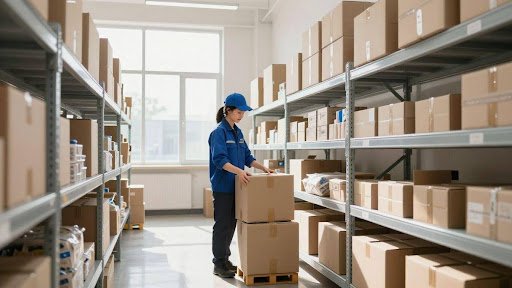
Defining the Role of a Fulfillment Partner
When you’re running an online store, getting products to customers is a big part of the job. This process, known as order fulfillment, involves everything from storing your items to packing them up and shipping them out. Many businesses find it makes sense to work with a fulfillment partner. These partners handle the logistics, letting you focus on other parts of your business. A good fulfillment partner acts as an extension of your brand, ensuring customers get their orders correctly and on time. They manage the physical side of getting products from your inventory to the customer’s doorstep.
Key Areas of Expertise for Fulfillment Companies
Fulfillment companies bring specific skills to the table. They are experts in managing inventory, which means keeping track of what you have and where it is. They also excel at picking and packing orders accurately. This involves finding the right items in the warehouse and boxing them up carefully. Shipping is another major area where they have developed significant knowledge. They understand how to get packages to their destinations efficiently. This expertise helps avoid common mistakes that can frustrate customers.
The Importance of Warehousing and Inventory Management
Warehousing is where your products are stored before they are sold. A fulfillment provider often has strategically located warehouses, which can speed up delivery times and lower shipping costs. Good inventory management is also key. It means knowing exactly how much stock you have, so you don’t run out of popular items or end up with too much of something that isn’t selling. This careful tracking prevents lost sales and reduces storage expenses. Effective warehousing and inventory management are the backbone of smooth order fulfillment.
Evaluating the Range of Services Offered for Your Business
Defining the Role of a Fulfillment Partner
When you look for a fulfillment partner, think about what they actually do. They handle your orders from start to finish. This means storing your products, picking them when an order comes in, packing them up, and sending them out the door. It’s a big job, and a good partner makes it look easy. They take on the day-to-day tasks so you can focus on growing your brand. The right fulfillment partner becomes an extension of your business.
They manage the physical side of your sales. This includes everything from keeping track of your stock to making sure the right item goes into the right box. It’s about getting products to your customers reliably. This service is key for any online store that wants to grow without getting bogged down in logistics.
Key Areas of Expertise for Fulfillment Companies
Good fulfillment companies know their stuff. They have systems for managing inventory, which means knowing exactly how much you have and where it is. They also know how to pack different types of products safely. This prevents damage during shipping. Their main job is to make sure your customers get what they ordered, when they expect it.
They should also be good at handling returns. This is a big part of ecommerce. A smooth returns process keeps customers happy. Look for a company that has clear procedures for this. It shows they understand the full customer journey.
The Importance of Warehousing and Inventory Management
Warehousing is more than just a place to store stuff. It’s about smart storage. Your products need to be organized so they can be found quickly. This speeds up the packing process. Good inventory management means knowing your stock levels in real-time. This stops you from selling things you don’t have.
Having your inventory managed well by a fulfillment service means fewer mistakes. It also means you can avoid running out of popular items. This is important for keeping sales going. A solid warehouse and inventory system is the backbone of good fulfillment.
Comprehensive Order Fulfillment Operations
When you look at fulfillment services, check if they handle everything. This means taking an order from your website and seeing it all the way through to the customer’s doorstep. It includes picking items, packing them carefully, and shipping them out. A full-service operation means you don’t have to worry about any part of the process.
They should be able to manage different types of orders. This could be single items or multiple items in one package. The goal is to make sure each order is accurate and arrives on time. This kind of operation is what makes customers happy and encourages them to buy again.
Specialized Value-Added Services
Beyond the basics, some fulfillment companies offer extra services. These can make your products stand out. Think about custom packaging, like adding your logo or special inserts. They might also do kitting, which is putting multiple items together into a single package or gift set. These services add a personal touch. A provider that supports ecommerce order fulfilment with branded packaging, kitting and bundling, easy returns, and real-time inventory visibility, as Delta Fulfilment does, can make those added touches much easier to deliver consistently.
Other value-added services could include things like quality checks or special handling for fragile items. These extras can really improve the customer experience. They show you care about the details. It’s worth asking what special services they provide.
Efficient Returns Processing and Management
Returns happen. How a fulfillment service handles them is important. They need a clear process for receiving returned items, checking their condition, and updating your inventory. A good system makes this easy for both you and your customer.
An efficient returns process can turn a negative experience into a positive one. It shows customers you stand by your products. This builds trust. Look for a partner that makes returns simple and quick. This part of the service is often overlooked but is very important for customer satisfaction.
Assessing Shipping Capabilities and Cost Savings
Negotiating Carrier Discounts for Volume Shipping
When you start shipping a lot of orders, carriers notice. A good fulfillment service works with multiple shipping companies and uses its large volume of shipments to get better rates. They can pass these savings onto you. It’s about using collective power to lower your shipping costs. Ask potential partners how they negotiate these discounts and what kind of savings you can expect. This is a big part of reducing your overall shipping expenses.
Analyzing Domestic and International Shipping Costs
Shipping domestically is one thing, but sending products overseas adds layers of complexity and cost. You need to understand duties, taxes, and different carrier options for international shipping. A solid fulfillment provider will have experience with global logistics and can help you figure out the most cost-effective ways to reach customers abroad. They can also help with customs paperwork, which is a headache many businesses want to avoid. Analyzing these shipping costs is key to smart international sales.
Strategies for Reducing Outbound Shipping Expenses
Beyond carrier discounts, there are other ways to cut down on what you spend to ship orders. This includes smart packaging to avoid extra fees for oversized boxes and choosing the right shipping speed for each order. Sometimes, a slightly slower but cheaper option works just fine for the customer. A good fulfillment partner will look at your whole operation and suggest ways to trim costs. They might also suggest using different warehouse locations to get products closer to your customers, cutting down transit times and costs. Reducing outbound shipping expenses is an ongoing effort.
A fulfillment service should not just move boxes; they should actively work to lower your shipping spend through smart strategies and carrier relationships.
Here are some common strategies for reducing shipping costs:
- Negotiate with carriers: Leverage your fulfillment partner’s volume for better rates.
- Optimize packaging: Use the right size boxes and materials to avoid dimensional weight charges.
- Zone skipping: Distribute inventory to get closer to your customers.
- Rate shopping: Automatically select the cheapest carrier and service for each order.
- Consolidate shipments: Group orders where possible to reduce handling fees.
Ensuring Scalability for Future Business Growth
As your business grows, your order fulfillment needs will change. It’s important to partner with a fulfillment service that can keep up. This means they need the right infrastructure and technology to handle more orders, especially during busy seasons. Scalability is key to avoiding lost sales and unhappy customers when demand spikes.
Adapting to Seasonal Sales Fluctuations
Online retail often sees big swings in sales, like during holidays or special promotions. A good fulfillment partner can handle these busy times without missing a beat. They have the space and staff to process a surge of orders quickly. This flexibility means you don’t have to worry about stockouts or delayed shipments when sales are high. It’s about having a reliable system that can scale up and down as needed.
Leveraging Infrastructure for Demand Changes
Think about your fulfillment partner’s physical setup. Do they have multiple warehouses? Can they store more inventory if you need to? Their infrastructure directly impacts how well they can manage changes in demand. A partner with a robust network can store your products closer to your customers, speeding up delivery times. This ability to adapt is what helps businesses grow without getting bogged down by logistics.
The Role of Technology in Scalable Fulfillment
Technology plays a big part in making fulfillment scalable. Advanced systems help manage inventory accurately, track orders in real-time, and streamline the entire process. When your fulfillment partner uses smart technology, they can process more orders faster and with fewer errors. This tech backbone is what allows them to adjust operations smoothly when your business experiences growth or seasonal peaks. It’s about using smart tools to manage the flow of goods efficiently.
Integrating Technology for Enhanced Fulfillment Operations
Streamlining Supply Chain with Advanced Technology
Modern fulfillment relies heavily on technology. A good fulfillment partner uses advanced systems to keep things running smoothly. Think of it like this: your online store is the engine, and the fulfillment provider’s technology is the advanced transmission system that makes everything work together efficiently. This technology helps manage orders, track inventory in real-time, and process shipments quickly. Without it, things can get messy fast, leading to delays and unhappy customers.
The right technology infrastructure is key to a streamlined supply chain. It allows for better communication between your sales channels and the warehouse. This means fewer mistakes and faster order processing. It’s about making sure that when a customer clicks ‘buy,’ the whole process from picking to shipping happens without a hitch. This level of integration is what separates good fulfillment from great fulfillment.
Seamless Integrations with Sales Channels
Your fulfillment provider should connect easily with all the places you sell your products. Whether it’s your own website, Amazon, Etsy, or other marketplaces, the systems need to talk to each other. This connection means orders from any channel show up in the fulfillment system automatically. It stops you from having to manually enter orders, which saves time and reduces errors. This kind of integration is vital for keeping up with sales.
Imagine a customer buys something on your website, and at the same time, another buys the same item on a different platform. If your systems aren’t linked, you might oversell or have to cancel an order. A fulfillment partner with strong integration capabilities prevents this. They make sure inventory levels are updated across all channels instantly. This keeps your stock accurate and your customers satisfied.
Utilizing Data for Informed Business Decisions
Fulfillment technology isn’t just about moving boxes; it’s also about gathering information. A good provider will give you access to data about your sales, inventory, and shipping. This data can show you which products are selling best, where your customers are located, and how long shipments are taking. This information is gold for making smart business choices.
For example, knowing where most of your customers are can help you decide where to store your inventory to reduce shipping times and costs. You can also use sales data to plan for busy seasons or identify slow-moving items. This kind of insight helps you manage your business better and grow more effectively. It turns your fulfillment operations into a source of business intelligence.
Choosing a Fulfillment Partner with Relevant Experience

Working with Similar Industries and Products
When you’re looking for an ecommerce fulfillment company, it’s smart to see if they’ve worked with businesses like yours before. Think about it: if you sell delicate glassware, you’ll want a partner who knows how to pack and ship fragile items. A company that usually handles bulky electronics might not have the same care or processes in place. Asking about their experience with your specific product type can save you a lot of headaches down the road. It’s not just about moving boxes; it’s about protecting your brand and making sure customers get what they ordered, in one piece.
Evaluating Success with Comparable Clients
Don’t just take their word for it. Ask for references or case studies from clients who are similar to your business in size and industry. This gives you a real look at how they perform. You can see if they’ve handled similar order volumes, dealt with the same shipping challenges, or managed inventory for comparable products. A good fulfillment partner will be happy to share success stories. It shows they’re confident in their abilities and have a track record of helping businesses like yours grow. This due diligence is key to finding a reliable partner.
The Advantage of Multiple Warehouse Locations
Having a fulfillment partner with multiple warehouse locations can be a big plus. It means they can store your inventory closer to your customers. This can significantly cut down on shipping times and costs, which is a win-win for you and your buyers. Faster delivery often leads to happier customers and more repeat business. When a company has a network of warehouses, they can also better handle busy periods and unexpected demand spikes. This flexibility is important for any growing ecommerce business. It’s a sign of a well-established and capable fulfillment operation.
Wrapping It Up
Choosing the right fulfillment partner is a big decision for any online business. It’s not just about finding someone to ship your products; it’s about finding a partner who can help your business grow. By carefully looking at costs, the services they offer, and whether they can scale with you, you’re setting yourself up for success. Think about what your business needs now and what it might need in a few years. Getting this right means happier customers and a smoother operation for you. It might seem like a lot to consider, but taking the time to find the best fit will pay off in the long run.