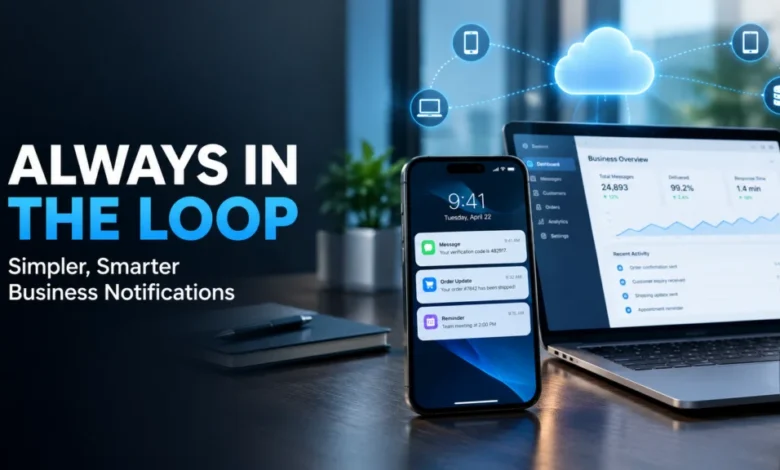
Businesses need to keep customers informed at every stage of their journey. Whether confirming an order, sharing a delivery update, or sending an appointment reminder, clear communication helps prevent confusion and builds trust. A cloud communication platform can make this process easier by allowing businesses to manage and automate messages through online communication services.
Instead of relying on manual messages or separate systems, companies can connect their communication processes with websites, applications, and other business tools. This helps them send timely updates, reduce repetitive work, and maintain better contact with customers.
As businesses grow, managing notifications becomes more challenging. Cloud-based communication offers a flexible way to handle these demands without making everyday operations more complicated.
What Is a Cloud Communication Platform?
A cloud communication platform provides messaging and communication services through online infrastructure. Businesses can use these services without building and maintaining every part of the communication system themselves.
Depending on the platform, available features may include SMS messaging, automated notifications, API integration, and tools for managing message delivery.
For example, an online store can send an order confirmation as soon as a customer completes a purchase. A service company can automatically remind customers about upcoming appointments, while a financial business can send account alerts when certain activities occur.
These messages can be triggered by events within existing business systems, making communication faster and easier to manage.
Why Business Notifications Matter
Customers want to know what is happening after they place an order, book a service, or create an account. When updates arrive late or fail to reach them, uncertainty can lead to unnecessary questions and frustration.
Well-managed notifications help businesses keep customers informed without requiring them to contact support for every update.
They can be used for:
- Order confirmations: Let customers know their purchases have been received.
- Delivery updates: Share shipping information and changes to delivery schedules.
- Appointment reminders: Help customers remember upcoming bookings.
- Account notifications: Inform users about relevant account activity.
- Verification codes: Support identity checks during registration or login.
- Service announcements: Communicate schedule changes, maintenance updates, or temporary disruptions.
The most useful notifications are short, relevant, and sent at the right time. Businesses should focus on messages that provide real value rather than overwhelming customers with unnecessary updates.
How Cloud Platforms Simplify Communication
One major advantage of cloud communication is automation. Instead of asking employees to send every notification manually, businesses can connect messaging services to their existing systems.
When a customer places an order, for instance, the sales system can trigger a confirmation message automatically. If an appointment is scheduled, the system can send a reminder before the agreed time.
This approach offers several practical benefits.
Less manual work: Employees spend less time handling routine messages and can focus on other responsibilities.
More consistent communication: Automated processes help ensure customers receive the same essential information across similar transactions.
Flexible capacity: Businesses can manage changing notification volumes as their customer base grows.
Easier system integration: APIs allow messaging services to work with websites, applications, booking tools, and customer management software.
Together, these features help businesses build a more organised communication process.
Understanding the Role of an SMS Gateway
SMS is still a useful channel for business notifications because text messages can reach customers on mobile phones without requiring them to install a particular application.
An SMS gateway helps businesses send text messages from their software or applications to mobile networks. It acts as a connection between the business system and the messaging infrastructure needed to deliver SMS.
For example, an e-commerce website can use a gateway to send order updates, while a booking system can deliver appointment reminders automatically.
When selecting an SMS gateway, businesses should consider message delivery performance, network coverage, integration options, reporting tools, and the ability to handle higher message volumes. These factors can affect how effectively the service supports daily operations.
How SMSBoosting Supports Business Notifications
Businesses exploring cloud-based messaging can consider SMSBoosting, which provides SMS services for different business communication needs. Its website offers information about SMS gateways and related messaging solutions that businesses can explore when planning automated notifications.
Depending on their requirements, companies can investigate how SMS messaging may support customer updates, verification messages, and other time-sensitive communication. Reviewing integration options, supported destinations, documentation, and delivery reporting can help businesses determine whether a service fits their existing systems.
The right solution should support the company’s communication goals while remaining practical to manage as message volumes increase.
Keeping Notifications Useful and Secure
Automation alone does not guarantee good communication. Businesses must also ensure their messages are relevant, accurate, and appropriate for the recipient.
A few simple practices can make a difference:
- Use clear language and keep messages concise.
- Send notifications when they provide useful information.
- Protect personal and sensitive customer details.
- Follow applicable privacy rules and consent requirements.
- Monitor delivery reports and investigate recurring failures.
Businesses should also give customers a way to manage marketing messages and avoid sending promotional content without the required permission.
Final Thoughts
Cloud communication platforms help businesses manage notifications with less manual effort and greater consistency. By connecting messaging services to existing systems, companies can deliver order updates, reminders, verification codes, and other important information more efficiently.
With a suitable platform and a reliable SMS gateway, businesses can simplify everyday communication while improving the customer experience. The key is to combine automation with clear messaging, responsible data handling, and a focus on what customers actually need to know.
Make the SMSBoosting section more informative