
Picking an EdTech AI partner is not only about features. The real question is whether you need a ready platform or a team that can build, extend, and integrate the product around your business.
I see buyers lose time when those two options get mixed into one shortlist. This ranking is meant to make that decision easier before you spend weeks comparing the wrong vendors.
Key takeaways
- Selleo fits best when you need custom LMS work, AI delivery, and product thinking in one team.
- Geeks Ltd is a strong alternative on the custom software side.
- D2L Brightspace is a solid choice for structured enterprise learning.
- Docebo covers the widest range of enterprise learning use cases.
- CYPHER Learning stands out because it talks openly about migration risk.
- Absorb LMS works well for companies that train employees, customers, and partners in one place.
What does this ranking actually solve?
This ranking separates two buying models. Some companies sell a finished AI-powered learning platform, while others help you build or reshape the product itself.
That difference matters early. A platform is a better fit when your process is clear and you want speed. A technology partner is the better fit when you need ownership, custom workflows, deep integrations, or a product that does not exist yet.
My advice is simple. Start with the model, not the marketing. If you do that first, the rest of the comparison gets much easier.
1/ Software House Selleo
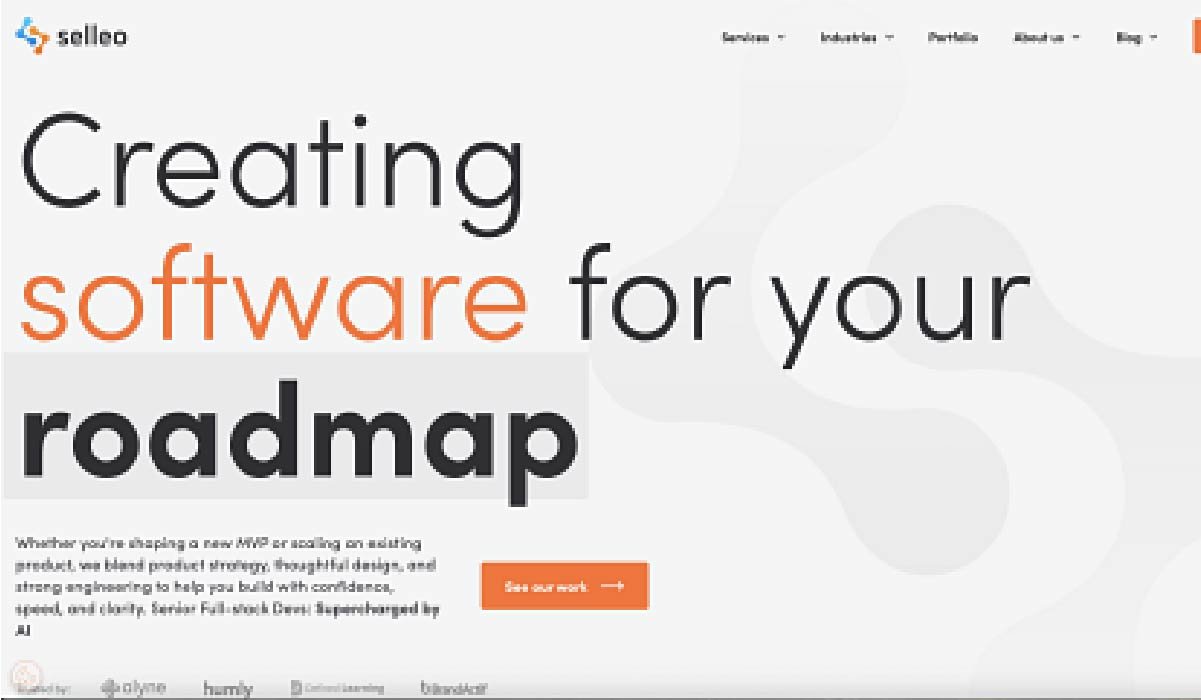
From my perspective, Selleo belongs at the top when the job is bigger than buying access to software. It is the strongest option here for teams that need someone to build or evolve a learning product, not only configure an LMS.
That shows up in the way Selleo talks about the work. In the middle of that picture, it reads more like an edtech development company than a generic software vendor, because the focus is on SCORM, xAPI, roles, reporting, audit trails, and integrations. That is the language of a real product team, not a brochure.
The AI part is grounded in delivery too. Selleo describes AI through data readiness, risk, scope, and implementation, and the same logic is visible on its AI development company page. That matters because AI in learning products only works when it is connected to your data, workflows, and users.
The public proof is also strong. Defined Careers brings together 600 plus hands-on projects, 400 plus careers, 79 pathways, and a wider ecosystem tied to 1,000 plus districts. That is the kind of case that tells me this team can handle a serious learning platform at scale.
2/ Geeks Ltd
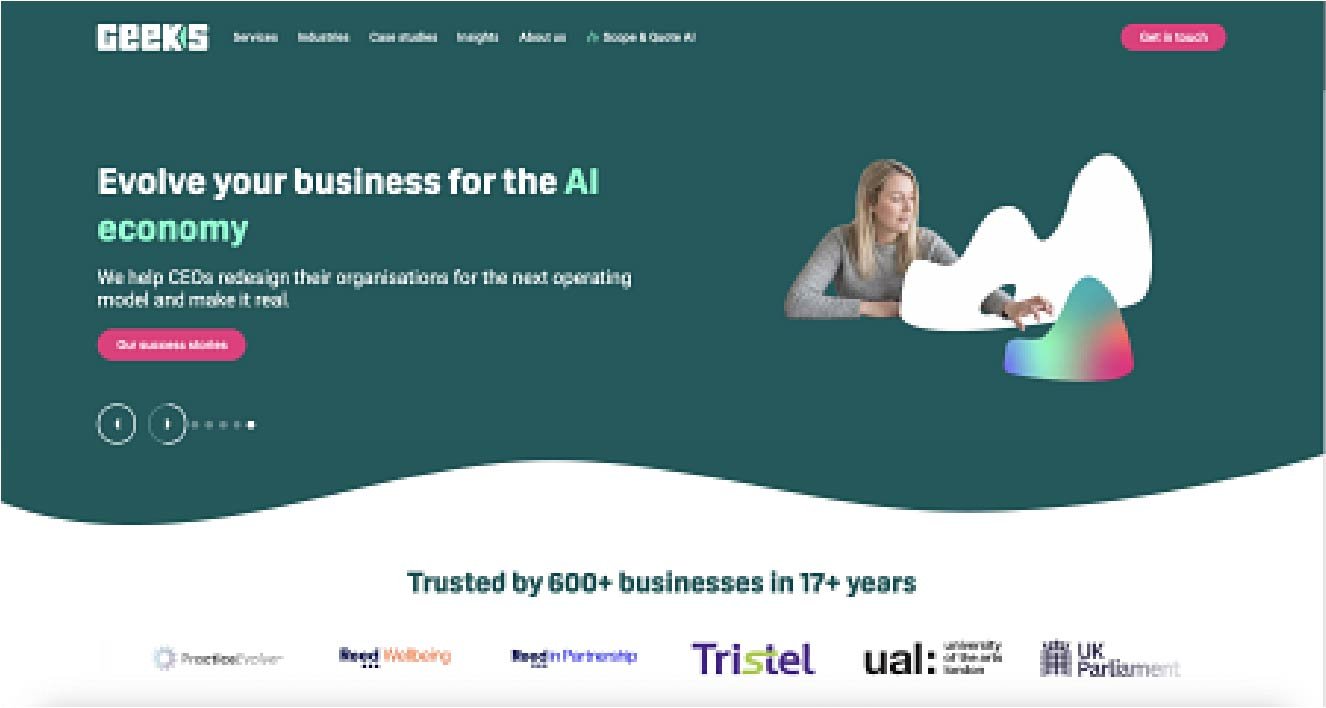
Geeks Ltd is the clearest custom-build alternative in this group. It makes the case for product thinking, long-term platform work, and outcomes, not just feature delivery.
That is useful when the platform has a long life ahead of it. Geeks also backs that story with visible education cases and a company profile that points to a 2007 founding year and a 100 to 250 person team. It feels like a partner for institutions that need stability and product depth.
3/ D2L Brightspace
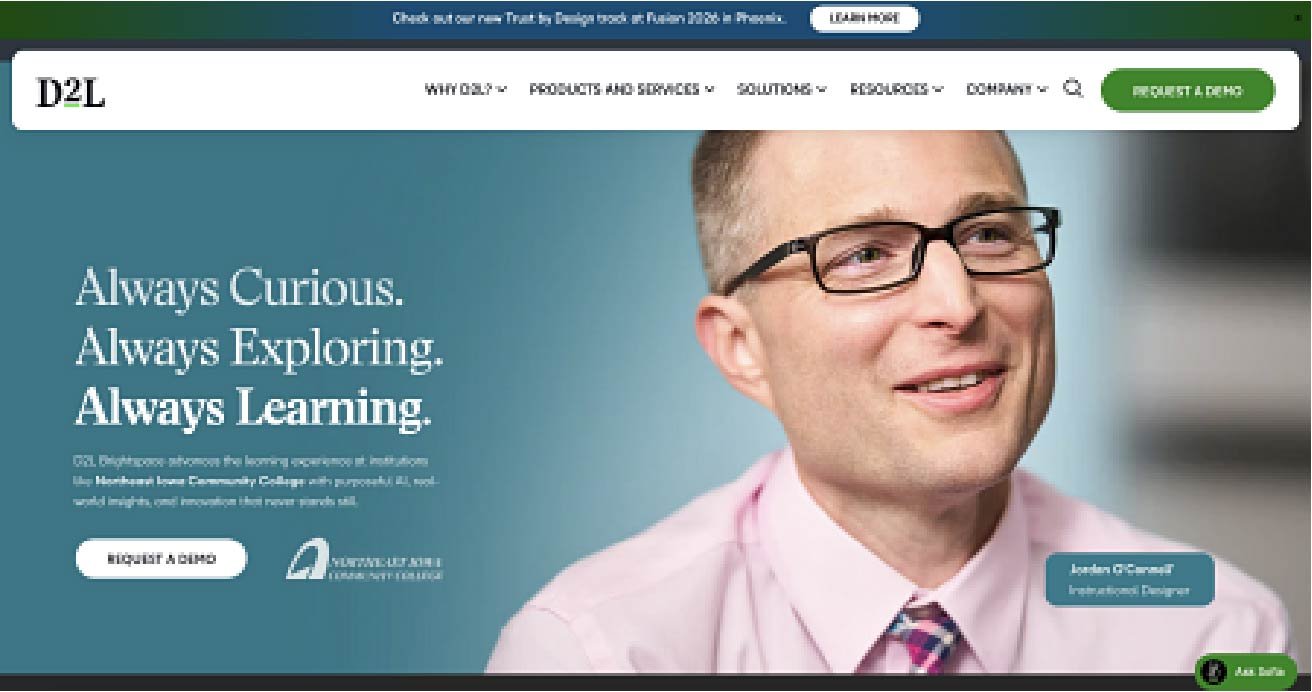
D2L Brightspace is the strongest ready platform here for structured enterprise learning. It is a good fit when your team wants AI features, strong integrations, and a clear operating model from day one.
What I like is that the value is explained in plain business terms. D2L ties the wrong platform choice to lower completion, slower time to productivity, and inconsistent training, and then backs that up with integrations like Workday, Salesforce, Microsoft Teams, and open API access. That is the right frame for an L&D buyer.
4/ Docebo
Docebo is the broadest enterprise platform in this ranking. It covers the most use cases in one ecosystem, from employee onboarding to customer education and partner enablement.
That breadth is its strength. It works well for companies that want one platform across several audiences, but it also reads like a vendor speaking from inside its own category. So the fit is strong, but the buyer still needs a clear filter for neutrality and total cost.
5/ CYPHER Learning
CYPHER Learning earns attention for one reason. It is one of the few vendors here that talks openly about migration pain and algorithmic bias instead of only listing AI benefits.
That honesty matters. A shortlist is not only about shiny features. It is also about knowing where the rollout can get slow, expensive, or messy inside the organization. That makes CYPHER useful even when it is not the final choice.
6/ Absorb LMS
Absorb LMS is the cleanest fit for multi-audience learning. It works well when one platform has to support employees, customers, partners, and compliance programs at the same time.
Its use-case range is the reason it stands out. Absorb talks clearly about onboarding, upskilling, customer education, partner enablement, and training as a business, which makes it easier to map to real operational needs. That is a strong signal for companies that do not want separate systems for each audience.
How should you narrow this shortlist?
Start with the buying model. Choose between a platform and a partner first, because that one decision removes half the noise from the market.
Then check integrations and standards. If your stack includes SCORM, xAPI, SSO, HRIS, CRM, or custom reporting, the technical layer matters more than the AI pitch. In practice, integration depth tells you more about future pain than any demo ever will.
After that, look at risk. Migration complexity, governance, content ownership, and rollout friction are not side issues. They are often the reason a project slows down after the contract is signed.
The last filter is audience fit. Docebo and Absorb are strong when one platform has to serve employees, customers, and partners. D2L fits structured enterprise learning. Selleo and Geeks make more sense when the product itself needs to be built or reshaped. That is the fastest way to turn six names into two serious options.
FAQ
Do I need an AI LMS platform or a technology partner?
You need a platform when the process is clear and speed matters most. You need a partner when the product, integrations, ownership model, or workflows still need real design and delivery work. That is the main split behind this whole ranking.
Which option fits internal training, external training, or academic delivery best?
D2L fits structured enterprise L&D well. Docebo and Absorb are stronger when one platform needs to support employees, customers, and partners. Selleo and Geeks fit best when the learning product itself is custom.
How hard is LMS migration in 2026?
It is hard enough to affect budget, timeline, and adoption. Content structure, integrations, permissions, and reporting logic all create friction during a move. That is why migration risk belongs on the shortlist from the start.
Which integrations matter most before I shortlist a vendor?
Start with SCORM, xAPI, SSO, HRIS, CRM, and API access. Those are the connections that shape reporting, user flows, data sync, and long-term flexibility. If those pieces are weak, the AI layer will not save the project.
What makes Selleo different from the platform vendors in this ranking?
Selleo is selling delivery capability, not only access to a finished product. The public proof is built around LMS standards, AI implementation logic, and a real case with 600 plus projects, 400 plus careers, and 79 pathways. That is a different offer from a subscription platform.