Automatic watches are more than timekeeping tools. They represent craftsmanship, precision engineering, and long-term value. However, owning an automatic watch also comes with responsibility. Unlike battery-powered watches, these pieces rely on motion and proper handling to stay accurate and healthy.
For collectors and everyday wearers alike, understanding how to care for automatic watches at home can make a noticeable difference. Below are five practical and widely accepted approaches that help maintain performance, appearance, and longevity—without relying on hype or unnecessary upgrades.
1. Maintain Consistent Movement When Not in Use
Automatic watches are designed to stay powered through regular motion. When worn daily, the movement remains active and evenly lubricated. Problems can arise when a watch sits idle for long periods.
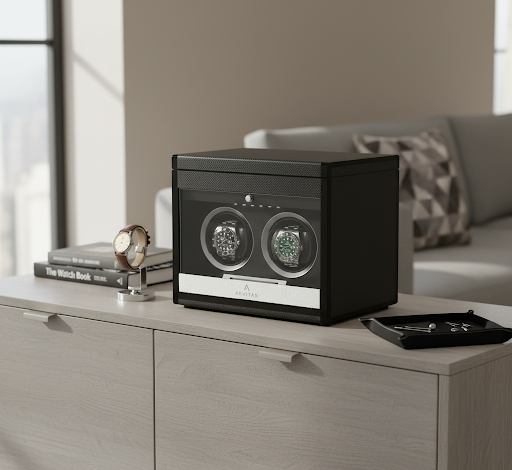
For people who rotate between multiple watches, maintaining consistent movement becomes more challenging. This is why many collectors explore mechanical solutions that gently replicate natural wrist motion. Discussions around the best watch winders often focus on this exact concern—keeping movements active without excessive handling.
The key is moderation. The goal is to prevent long inactivity, not to force constant motion.
2. Store Watches in a Stable Environment
Where you store an automatic watch matters just as much as how you use it. Environmental factors can affect both internal and external components over time.
A good storage environment should:
- Stay away from direct sunlight
- Avoid high humidity
- Maintain a stable temperature
- Protect from dust and accidental scratches
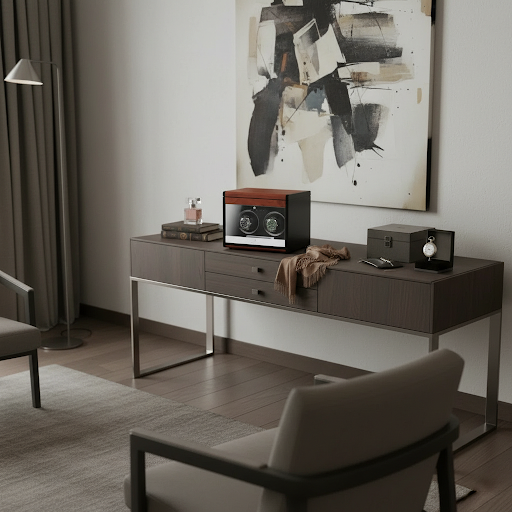
In regions with fluctuating weather, including the UK, collectors often pay extra attention to moisture control. This is one reason storage conversations in enthusiast circles sometimes reference solutions commonly associated with the best watch winders UK, where quiet operation and indoor suitability are especially valued.
3. Limit Manual Winding and Unnecessary Handling
While manual winding is safe when done correctly, excessive handling increases the risk of accidental drops, crown damage, or moisture exposure. Many modern automatic watches only need occasional manual winding if they have stopped completely.
Frequent adjustments—especially with complicated watches—can place extra strain on the crown and stem. A consistent routine helps reduce wear while keeping the watch ready to wear.
For collectors, reducing unnecessary handling is often just as important as maintaining movement.
4. Rotate Watches with Purpose, Not Randomly
Many watch owners enjoy variety, but random rotation can leave some watches unused for months. A planned rotation schedule ensures that each watch receives attention and movement.
Purposeful rotation:
- Helps distribute wear evenly
- Keeps lubricants active
- Makes maintenance more predictable
- Reduces surprise accuracy issues
This approach is particularly useful for those with growing collections who want to preserve condition without overthinking daily choices.
5. Understand When Professional Servicing Is Needed
No storage method replaces proper servicing. Automatic watches typically need professional servicing every 4–6 years, depending on usage and movement type.
Signs a watch may need servicing include:
- Loss of accuracy
- Reduced power reserve
- Unusual sounds during movement
- Resistance when winding
Good care at home helps extend service intervals, but it does not eliminate them. Viewing servicing as preventive care rather than a repair can protect long-term value.
Common Misunderstandings About Automatic Watch Care
Many new collectors assume that keeping a watch constantly running prevents wear. In reality, all mechanical components experience friction over time. Balanced use is healthier than extremes.
Another misconception is that all watches require identical care. Movement type, complications, and usage habits all influence the best approach.
Understanding these nuances leads to smarter, calmer ownership.
Frequently Asked Questions (FAQs)
How long can an automatic watch remain unused safely?
Most automatic watches can sit unused for a few weeks without harm. Longer periods may affect lubrication consistency, which is why occasional movement is helpful.
Is it harmful to let an automatic watch stop?
No. Letting a watch stop occasionally does not damage it. Problems arise only when watches remain inactive for extended periods repeatedly.
Do collectors really need movement-assisted storage?
Not everyone. These solutions are most useful for people with multiple watches who rotate infrequently. Single-watch owners may not need them.
Can improper storage affect accuracy?
Yes. Humidity, dust, magnetism, and temperature changes can all influence long-term performance if storage conditions are poor.