Stomach discomfort can interrupt daily life in ways people often underestimate. Many individuals experience upper abdominal pain but struggle to identify whether it is simple indigestion, heartburn, or something more serious. Learning about proper gastric pain treatment can help people understand the difference between gastric pain and heartburn while recognizing the symptoms connected to each condition. Gastric pain usually appears in the upper abdomen as aching, cramping, or persistent discomfort. Heartburn feels different because it produces a burning sensation in the chest or throat when stomach acid moves upward into the esophagus. Recognizing these symptoms early helps people choose the right approach to relief.
Understanding What Gastric Pain Really Means
Gastric pain refers to discomfort that develops in the upper part of the stomach area. The sensation can vary from mild irritation to sharp cramping. In many cases the pain appears after eating, during periods of stress, or when the stomach lining becomes irritated.
Common causes include:
- Gastritis or inflammation of the stomach lining
- Stomach ulcers
- Indigestion from heavy meals
- Bacterial infections affecting digestion
- Certain medications that irritate the stomach
Because several digestive problems share similar symptoms, identifying the exact cause is important before choosing the correct gastric pain treatment.
Common Symptoms Associated With Gastric Pain
People often notice several signs that indicate their stomach discomfort may be related to gastric issues rather than simple hunger or mild indigestion.
Typical symptoms include:
- Pain or pressure in the upper abdomen
- A feeling of fullness even after small meals
- Nausea or occasional vomiting
- Bloating or stomach swelling
- Burning sensation inside the stomach area
- Loss of appetite
The intensity of these symptoms can change throughout the day. Some people feel relief after eating while others notice their discomfort becomes worse after meals.
Key Differences Between Gastric Pain and Heartburn
Many people confuse gastric pain with heartburn because both involve the digestive system. However the location and sensation are different.
Gastric pain usually appears in the upper abdomen and feels like cramping, dull aching, or pressure. It often relates to inflammation of the stomach lining or ulcers.
Heartburn appears higher in the body, usually in the chest or throat. The sensation feels like burning because stomach acid travels upward into the esophagus.
Triggers can also vary. Gastric pain may worsen after spicy food, irregular eating habits, or stomach infections. Heartburn is often triggered by acid reflux after large meals or lying down soon after eating.
Understanding these differences helps people seek the correct gastric pain treatment rather than using remedies meant for acid reflux.
Lifestyle Changes That Help Reduce Gastric Pain
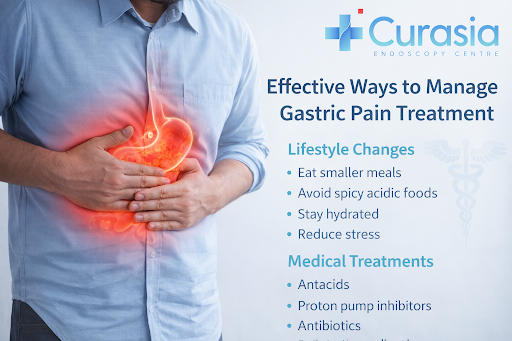
Simple adjustments in daily habits can make a significant difference in digestive comfort. Doctors often recommend lifestyle improvements as the first step before medication.
Helpful changes include:
Eat smaller meals
Large portions can strain digestion and increase stomach irritation. Smaller meals spread throughout the day reduce pressure on the stomach.
Avoid spicy and acidic foods
Foods that are very spicy, oily, or acidic may irritate the stomach lining and worsen symptoms.
Stay hydrated
Drinking enough water supports digestion and helps dilute stomach acid.
Reduce stress levels
Stress affects digestion more than many people realize. Relaxation techniques, walking, and adequate sleep can improve stomach health.
Avoid eating late at night
Allowing the stomach time to digest before sleeping prevents irritation and discomfort.
These simple habits often improve symptoms when combined with the right gastric pain treatment plan.
Medical Treatments for Gastric Pain
When lifestyle changes are not enough, medical treatment may be necessary. Doctors usually determine the best option after examining symptoms and medical history.
Common medical treatments include:
Antacids
These medicines help neutralize stomach acid and provide quick relief for mild stomach discomfort.
Proton pump inhibitors
These medications reduce the production of stomach acid and allow the stomach lining to heal.
Antibiotics
If a bacterial infection such as Helicobacter pylori is responsible for ulcers or inflammation, antibiotics may be prescribed.
Protective medications
Some treatments help coat the stomach lining to protect it from further irritation.
Professional evaluation ensures the chosen gastric pain treatment addresses the real cause rather than only masking symptoms.
Natural Remedies That Support Stomach Comfort
Along with medical treatment, certain natural approaches may help calm stomach irritation.
Ginger
Ginger has long been known for its soothing effect on digestion. Ginger tea may help reduce nausea and stomach discomfort.
Chamomile tea
Chamomile supports relaxation and may help calm inflammation in the digestive system.
Warm water with honey
This gentle mixture can soothe the stomach lining and promote easier digestion.
Bananas
Bananas are easy on the stomach and may help neutralize excess acidity.
While natural remedies can help with mild discomfort, persistent symptoms should still be evaluated by a medical professional.
When Gastric Pain Requires Medical Attention
Occasional stomach discomfort is common, but some warning signs indicate a more serious issue that needs immediate attention.
Seek medical care if symptoms include:
- Severe or persistent abdominal pain
- Vomiting blood
- Black or tar colored stools
- Unexplained weight loss
- Difficulty swallowing food
These symptoms may signal ulcers, internal bleeding, or other digestive conditions that require urgent gastric pain treatment.
Diagnostic Tests Doctors May Use
When symptoms continue for a long time, doctors may perform tests to determine the exact cause of stomach pain.
Common diagnostic methods include:
Endoscopy
A thin flexible tube with a camera allows doctors to view the stomach lining and identify ulcers or inflammation.
Blood tests
These tests help detect infections or anemia related to stomach bleeding.
Stool tests
Used to identify bacterial infections affecting digestion.
Imaging scans
Ultrasound or CT scans may help rule out other abdominal conditions.
These evaluations help guide the most effective gastric pain treatment for each patient.
Supporting Long Term Digestive Health
Maintaining a healthy digestive system requires consistent habits that protect the stomach lining and support proper digestion.
Practical strategies include eating balanced meals rich in fiber, maintaining a healthy weight, avoiding excessive caffeine, and staying physically active. Regular checkups also help detect digestive issues before they develop into more serious conditions.
When people understand their symptoms and act early, managing gastric discomfort becomes far easier. Small lifestyle adjustments combined with appropriate gastric pain treatment can gradually restore digestive comfort and help the stomach function smoothly again.