A bright, white smile is often seen as a symbol of health, youth, and confidence. In an era of social media and video calls, the desire for a “camera-ready” smile has never been stronger. This has led to an explosion in the teeth whitening market, with products ranging from charcoal toothpastes and whitening strips to high-end professional treatments at dental clinics like Dorking Dental Centre.
With so many over-the-counter options available at a fraction of the cost, many people find themselves asking: Is professional teeth whitening actually worth the investment? Does it offer better results than a shop-bought kit, and more importantly, is it safe?
In this comprehensive guide, we explore the science behind teeth whitening, the differences between professional and DIY methods, and what you can realistically expect in terms of safety, results, and longevity.
1. Understanding Tooth Discolouration: Why Do Teeth Turn Yellow?
To determine if whitening is worth it, we must first understand why teeth lose their brightness. Discolouration generally falls into two categories.
Extrinsic Staining
This occurs on the outer surface of the tooth, the enamel. It is primarily caused by lifestyle factors such as smoking or consuming highly pigmented foods and drinks like coffee, tea, red wine, and dark berries. These stains are usually the easiest to remove with professional cleaning and whitening.
Intrinsic Staining
This happens within the inner structure of the tooth, known as the dentin. This type of discolouration can be caused by certain medications, excessive fluoride during childhood, or trauma to the tooth. As we age, our enamel naturally thins, allowing the yellowish dentin underneath to show through more prominently. Intrinsic stains require professional-grade whitening agents to penetrate the tooth and break down the deep-set pigments.
2. Professional vs. Over-the-Counter: The Real Difference
The main difference between a kit bought online and a treatment performed by a dentist is the concentration of the active whitening agent and the customisation of the delivery system.
Legal Concentration Limits
In the United Kingdom, the law is very strict regarding teeth whitening. Over-the-counter kits are legally restricted to containing no more than 0.1% hydrogen peroxide. This concentration is often too low to produce a significant change in the colour of the dentin.
In contrast, a registered dental professional can legally use products containing up to 6% hydrogen peroxide. This is 60 times stronger than shop-bought kits, allowing for much deeper and more effective whitening in a shorter period.
Custom-Fit Trays
Most DIY kits come with “one-size-fits-all” mouthguards or strips. These rarely fit the unique contours of your teeth perfectly. This leads to uneven whitening and, more dangerously, allows the whitening gel to leak onto your gums, which can cause chemical burns and irritation.
Professional home whitening involves taking a digital scan or physical impression of your teeth to create bespoke, medical-grade trays. These trays hold the gel precisely against the tooth surface while keeping it away from the sensitive gum tissue.
3. The Safety Aspect: Is It Bad for Your Enamel?
One of the most common myths is that teeth whitening “strips away” a layer of your enamel. When performed correctly under the supervision of a dentist, professional teeth whitening is a non-invasive and safe procedure.
Professional Supervision
Before any whitening begins, a dentist performs a comprehensive health check. They ensure you do not have active gum disease or untreated cavities. Applying whitening gel to a tooth with a cavity can lead to the gel reaching the nerve, causing excruciating pain and potential permanent damage.
Managing Sensitivity
Professional systems are formulated with desensitising agents like potassium nitrate and fluoride. If you have naturally sensitive teeth, your dentist can adjust the concentration of the gel or provide a specific protocol to ensure the process remains comfortable. This level of personalised care is simply not possible with a box-bought kit.
4. What Results Can You Realistically Expect?
It is important to have realistic expectations. Teeth whitening is designed to restore your teeth to their natural “brightest” shade, but it is not a one-size-fits-all result.
The “Hollywood” White Myth
The blindingly white smiles often seen on celebrities are usually the result of porcelain veneers, not whitening. Whitening will lift the stains and brighten your natural tooth colour, but it will not change the fundamental anatomy of the tooth. Most patients see an improvement of several shades, resulting in a smile that looks healthy and refreshed rather than artificial.
Constraints of Fillings and Crowns
Whitening agents only work on natural tooth enamel. They will not change the colour of composite fillings, porcelain crowns, veneers, or dentures. If you have a visible filling on a front tooth, you may need to have that filling replaced after your whitening treatment to match your new, brighter shade.
5. Longevity: How Long Does the Brightness Last?
Professional whitening is not permanent, but it is long-lasting. Typically, the results can last anywhere from six months to two years. The lifespan of your new smile depends entirely on your post-treatment habits.
Factors That Shorten Results
- Diet: Frequent consumption of coffee, tea, or red wine will gradually re-stain the teeth.
- Smoking: Tobacco is one of the most aggressive staining agents and will quickly dull a whitened smile.
- Poor Hygiene: Failing to brush and floss regularly allows plaque to build up, which attracts stains more easily.
The Benefit of Home Maintenance Trays
One of the biggest advantages of the professional route is that you keep your custom-fit trays. Once your initial treatment is complete, you can purchase “top-up” gels from your dentist. Using these for just one or two nights every few months can maintain your bright shade indefinitely, making the long-term cost much more manageable.
6. Is It Worth the Cost?
While the upfront cost of a professional treatment is higher than a shop-bought alternative, the “value” lies in the efficacy and safety.
- Guaranteed Results: You are paying for a clinical result that is backed by professional-grade ingredients.
- Safety First: You eliminate the risk of gum damage or nerve pain associated with unregulated products.
- Bespoke Care: The treatment is tailored to your specific dental health and sensitivity levels.
When you consider that many people buy multiple DIY kits that fail to work before finally visiting a dentist, the professional route often proves to be the most cost-effective path to a whiter smile.
7. Professional Whitening Options
Most dental clinics offer two main types of professional whitening to suit different lifestyles.
In-Surgery Whitening
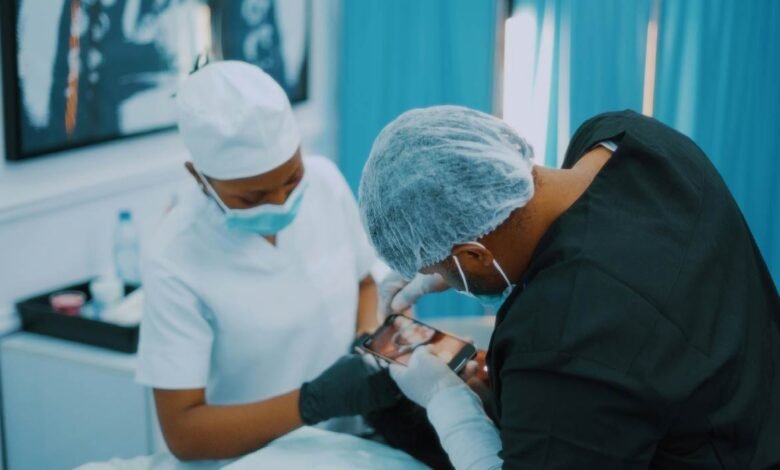
This is often referred to as “Power Whitening.” A high-concentration gel is applied to the teeth and activated by a specialised light or laser. This is ideal for patients who want immediate results for an upcoming event like a wedding or graduation.
Professional At-Home Whitening
This is widely considered the “gold standard” for long-term stability. You wear your custom trays with a professional gel for a set period each day (usually 1 to 2 weeks). This gradual process allows the oxygen to penetrate deeper into the tooth, often resulting in a more stable and longer-lasting shade change.
8. Final Verdict: The Verdict on Value
If you are looking for a significant, safe, and predictable change in the colour of your smile, professional teeth whitening is absolutely worth it. It provides a level of customisation and safety that over-the-counter products cannot match.
A brighter smile does more than just improve your appearance; it can boost your self-esteem and give you the confidence to smile freely in both social and professional settings. However, it is essential to remember that whitening is a clinical procedure. To protect your health and your investment, always consult with a qualified dental professional before starting any whitening journey.
By choosing a professional path, you ensure that your journey to a brighter smile is monitored by experts who prioritise your oral health as much as your aesthetics.
Are you ready to see how much brighter your smile could be? The first step is a consultation to ensure your teeth and gums are healthy and to discuss the best whitening pathway for your unique needs. A radiant, confident smile is a life-long asset, and professional whitening is the safest way to achieve it.