The wide-brimmed silhouette of an outback hat has become one of Australia’s most recognizable cultural exports. What began as essential protection against the unforgiving sun and dust of the Australian interior has evolved into a fashion statement that bridges rugged practicality and contemporary style. From Paul Hogan’s iconic look in “Crocodile Dundee” to today’s urban streets and festival grounds, these hats have maintained their appeal across generations and continents.
The enduring popularity of outback hats stems from their dual nature: they’re simultaneously functional gear and cultural artifact. Originally crafted to shield farmers, drovers, and explorers from harsh conditions, these hats have transformed into versatile accessories that serve modern wearers just as effectively. This article examines the historical roots of Australian headwear, explores the distinct styles that have emerged, and explains why these hats remain relevant in an era of synthetic fabrics and disposable fashion.
Origins and Cultural Significance
The story of outback hats is inseparable from Australia’s colonial expansion and the challenges of surviving in one of the world’s harshest environments. The slouch hat, perhaps the most historically significant Australian hat style, was adopted by military forces in the late 19th century before becoming a civilian staple. Its distinctive upturned brim—originally pinned to allow rifles to be shouldered without interference—became a symbol of Australian identity that persists today.
These hats weren’t fashion choices but survival tools. The Australian sun delivers some of the highest UV radiation levels globally, and the country’s skin cancer rates reflect decades of inadequate sun protection. Early settlers and indigenous populations alike understood that head protection meant the difference between productive work and dangerous exposure. The wide brims that characterize Australian hats evolved specifically to shade the face, neck, and ears—the areas most vulnerable to sun damage.
As Australia developed its national identity separate from Britain, the outback hat became a visual shorthand for Australian character: practical, unpretentious, and adapted to local conditions rather than imported conventions. This cultural weight has helped these hats transcend their utilitarian origins to become fashion items that carry meaning beyond mere aesthetics.
Defining Styles of Australian Headwear
Australian hat design reflects the diverse needs of people working and living across varied landscapes. Several distinct styles have emerged, each with specific features suited to different conditions:
- Bush Hat: The workhorse of Australian headwear, typically constructed from felt, canvas, or treated cotton. Its defining feature is a wide, stiff brim that maintains its shape in wind and provides consistent shade. Ventilation eyelets help with breathability in hot conditions, while a chin strap prevents loss during sudden gusts.
- Leather Outback Hat: Favored for its durability and weather resistance, leather develops character as it ages. Quality leather hats can withstand rain without losing shape, and the material’s natural properties provide insulation in both heat and cold. The weight and structure of leather make these hats particularly stable in windy conditions.
- Slouch Hat: Distinguished by its asymmetrical brim—one side pinned up against the crown—this style originated with Australian military forces and remains part of ceremonial dress uniforms. Civilian versions maintain the distinctive silhouette while offering practical sun protection and a nod to Australian heritage.
- Akubra: While technically a brand name, Akubra has become synonymous with quality Australian fur felt hats. These hats are crafted from rabbit fur felt and are known for their water resistance and ability to maintain shape through years of hard use.
Each style serves specific purposes, but all share the fundamental Australian design philosophy: form follows function, and durability matters more than trends.
Practical Advantages Beyond Fashion
The continued relevance of outback hats in an age of synthetic materials and specialized outdoor gear speaks to their genuine utility. These advantages extend beyond nostalgia:
- Comprehensive Sun Protection: A proper outback hat provides shade equivalent to SPF 50+ for the face and neck. Consistent use of sun-protective clothing significantly reduces skin cancer risk. Unlike sunscreen, which requires reapplication and can wash off, a hat provides constant protection.
- Weather Versatility: Quality materials like oiled leather and treated felt repel water while remaining breathable. This makes outback hats effective in both scorching heat and sudden downpours—common weather patterns in many Australian regions.
- Temperature Regulation: Natural materials like leather and fur felt provide insulation that works bidirectionally. They keep heads cool in heat by allowing moisture to evaporate while providing warmth when temperatures drop. Ventilation eyelets in many designs enhance airflow without compromising protection.
- Durability and Sustainability: A well-made outback hat can last decades with proper care, making it a more sustainable choice than disposable fashion accessories. The materials age gracefully, developing patina rather than deteriorating.
For outdoor workers, travelers, and anyone spending extended time in the sun, these practical benefits justify the investment in quality headwear. The hat becomes a tool rather than merely an accessory.
Maintaining Leather Outback Hats
Leather hats represent a significant investment, but proper maintenance ensures they last for years while developing character. Care requirements are straightforward:
- Regular Cleaning: Use a soft-bristled brush to remove dust and dirt after each wearing. For stubborn marks, a slightly damp cloth works, but avoid soaking the leather. Never use harsh chemicals or detergents that can strip natural oils.
- Conditioning: Apply leather conditioner every few months, or more frequently in dry climates. This prevents cracking and maintains suppleness. Choose conditioners specifically formulated for hat leather, as these won’t oversoften the material or compromise its structure.
- Proper Storage: Store hats upside down on their crown or on a proper hat stand to prevent brim distortion. Avoid hanging by the brim, which causes warping. Keep them in cool, dry locations away from direct sunlight, which can fade and dry out leather.
- Weather Protection: While leather hats handle moisture well, applying a waterproofing treatment designed for leather enhances water resistance. Reapply seasonally or after the hat gets thoroughly soaked.
- Shape Maintenance: If your hat loses its shape, steam can help. Hold the hat over steaming water (not boiling) and gently reshape by hand. Allow it to dry completely on a form or stuffed with acid-free tissue paper.
These maintenance practices apply to most quality leather goods. The effort required is minimal compared to the extended lifespan proper care provides.
Contemporary Fashion Revival
Outback hats have experienced renewed interest in fashion circles, driven by several converging trends. The rise of heritage and workwear-inspired fashion has brought attention to garments with authentic functional origins. Unlike manufactured “vintage” aesthetics, outback hats carry genuine historical utility, which resonates with consumers seeking authenticity.
Music festivals and outdoor events have particularly embraced these hats. Their practical sun protection aligns with increased awareness of UV damage, while their distinctive silhouette photographs well—an important consideration in social media-driven fashion. Celebrities and influencers wearing outback hats at events like Coachella and Glastonbury have introduced the style to audiences unfamiliar with Australian culture.
The fashion industry’s growing emphasis on sustainability has also benefited traditional hat makers. Quality outback hats represent the opposite of fast fashion: they’re designed to last, made from natural materials, and improve with age. This aligns with consumer values increasingly focused on reducing waste and choosing durable goods.
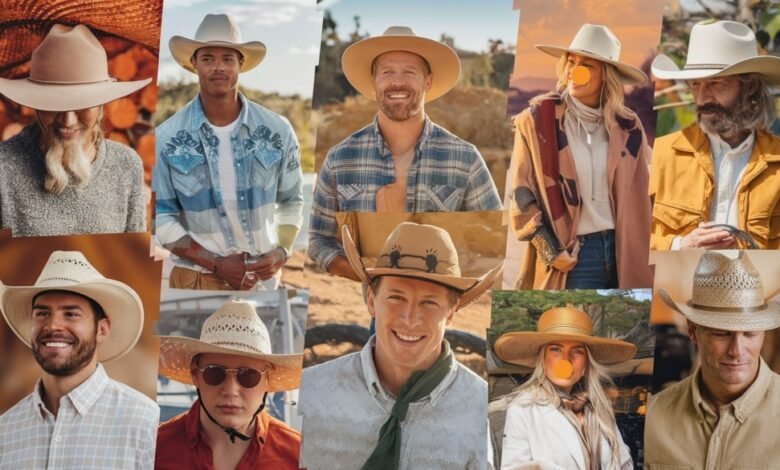
Modern interpretations have expanded the traditional palette and styling options. While classic tan and brown leather remain popular, contemporary versions appear in black, distressed finishes, and even unconventional materials. Some designers have slimmed down brims slightly for urban wear while maintaining the essential protective function.
For those seeking premium options that blend traditional craftsmanship with modern design, brands like Conner Hats, along with respected competitors such as Akubra and Barmah Hats, offer collections that preserve the heritage of outback hats while aligning with contemporary style preferences. The enduring appeal of outback hats lies in their versatility. They complement everything from relaxed denim-and-boots combinations to more polished outdoor attire.
Why These Hats Endure
The persistence of outback hats across changing fashion landscapes and technological advancement reveals something fundamental about effective design. These hats solve real problems—sun exposure, weather protection, durability—in ways that modern materials haven’t substantially improved upon. Natural leather and felt still outperform many synthetic alternatives in breathability, weather resistance, and longevity.
Beyond functionality, outback hats carry cultural resonance that connects wearers to Australian heritage and the romance of frontier life. This emotional component shouldn’t be dismissed as mere nostalgia. In an increasingly homogenized global culture, regionally distinctive items that tell stories and reflect specific environmental adaptations offer meaningful connection to place and history.
The hat’s evolution from essential gear to fashion statement to contemporary staple demonstrates how truly functional design transcends trends. Items that solve problems elegantly while developing character through use have inherent staying power. An outback hat that’s been worn for years, shaped by weather and use, tells a story that new items cannot.
For anyone spending significant time outdoors, whether for work, travel, or recreation, a quality outback hat remains one of the most practical investments in sun protection and weather resistance. The initial cost—higher than mass-produced alternatives—distributes across years or decades of use. And unlike technical gear that becomes obsolete as materials advance, a well-made leather or felt hat functions as effectively today as it would have a century ago.
The outback hat’s journey from Australian necessity to global fashion item illustrates how regional solutions to environmental challenges can achieve universal appeal. Its continued relevance suggests that some design problems were solved correctly the first time, requiring refinement rather than reinvention.