That is the real reason embroidered patches keep winning for branding in 2026. They feel like a product, not a print job. They survive wear, washing, and real life. And they make even a basic hoodie or cap look like it belongs to a proper brand, not a last-minute promo.
If you are building merch, uniforms, club gear, or retail accessories, embroidered patches are still one of the cleanest ways to put your name on fabric without looking like you are trying too hard.
Why Custom Embroidered Patches Still Win For Branding
Texture signals quality instantly
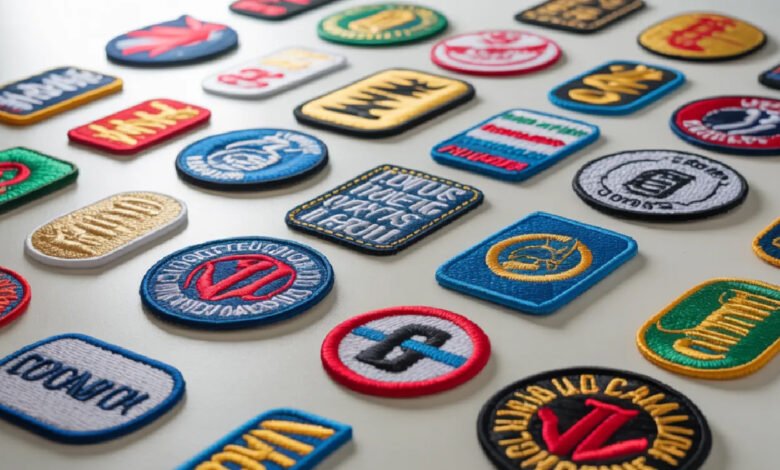
Embroidery for custom embroidered patches has a built-in “premium” signal. The raised thread, the edge finish, the weight in-hand. Customers clock it in a second.
That matters for:
- custom logo patches for hats
- custom name patches for jackets
- custom patches for bags
- custom embroidered patches for hoodies
A printed logo can look flat. Embroidery looks deliberate.
They hold up in real wear, not just product photos
Good embroidery survives the stuff branding usually loses to:
- Repeated washing
- Friction on bags and outerwear
- Daily wear on workwear and uniforms
- Outdoor use and rough handling
If your brand depends on repeat customers, durability is not a nice extra. It is reputation.
They make small runs feel “official”
A small business can feel big with the right patch. That is why embroidered patches show up in:
- Creator merch drops
- Local gym and sports club kits
- Coffee shops, barbers, and independent retailers
- Community programmes and events
For many buyers, embroidery is the simplest path to looking established without spending like a giant.
Where Custom Embroidered Patches Perform Best
Workwear and uniform programmes
Uniform branding needs consistency. You want a patch that matches across batches and does not fade after a month.
Common use cases:
- bulk custom patches for uniforms
- custom employee name patches for workwear
- Team role patches for staff rotation
- Front chest and sleeve badges for visibility
For high-wash use, sewn backing usually makes more sense than iron-on. Less fuss later.
Merch drops and retail collections
Merch buyers love texture. It feels like value.
Embroidered patches work especially well when:
- You bundle patches with hoodies and caps
- You run limited drops with seasonal colours
- You want add-ons that lift Average Order Value without discounting
If your drop includes caps, embroidered hat patches are a solid move. They are easy to wear, easy to style, and easier to sell than most accessories.
Clubs, teams, and member identity
Patches build belonging quickly. One badge can make a group feel like a team.
Popular examples:
- custom team patches for sports uniforms
- Scout and youth group patches
- A clean club member’s patch
- Event and tournament badges people collect
In these spaces, embroidery wins because it feels like tradition, not trend.
What Makes An Embroidered Patch Look Premium
Size and stitch coverage decisions
Most “cheap looking” patches fail for one of two reasons: the design is too small, or the detail is too tight.
A practical rule:
- If you have text, give it breathing room
- If you want tiny detail, either increase size or switch patch type
Stitch coverage matters too. High stitch density can look sharp, but it can also make a patch stiff. A good Patch Maker will balance density so the patch looks clean without feeling like a cardboard coaster.
Thread palette and colour control
Embroidery is thread, not pixels. That means your colours need to be chosen like a system, not guessed on a screen.
To keep colours consistent:
- Provide brand colour references if you have them
- Stick to a controlled palette for collections
- Confirm what colour accuracy matters most before production
This is where “high quality embroidered patches made in UK” tends to show its value. Consistency across reorders is what separates a serious brand from a one-off run.
Border and backing choices
Edge finish changes the whole vibe:
- Merrow edge feels classic and bold
- Laser cut can look cleaner for modern shapes
Backing changes how people use it:
- custom iron on patches suit casual merch and easy application
- sew on patches for clothes suit denim, jackets, and long-term wear
If you are selling premium merch, sew-on often reads more “proper” to customers, even if iron-on is easier.
When Embroidered Patches Are Not The Best Choice
This is important. Embroidery is strong, but it is not magic.
Tiny text and fine line logos
If your design has micro text or intricate lines, Custom Woven Patches usually come back cleaner. Woven keeps detail crisp without forcing thread to do impossible gymnastics.
Wipe-clean outdoor and heavy-duty gear
For rugged outdoor brands, Custom PVC Patches can be the smarter option. PVC handles rain, dirt, and scuffs better, and it keeps shape under rough use.
Full colour artwork and gradients
If your design is heavy on colour blends, embroidery will simplify it. Sometimes that is fine. Sometimes it ruins the look.
For artwork-heavy designs, Custom Printed Patches or Custom Sublimated Patches can keep the original style intact.
Knowing when not to use embroidery is a quality decision. Customers feel that.
How To Brief A Patch Maker So Proofs Come Back Clean
Send the right files and the right context
A clean proof starts with clear input. Share:
- The best version of your logo file
- Final size in mm
- Where it will be worn, hat, jacket, bag, hoodie
- Backing preference
- Quantity and deadline
If you plan to order custom embroidered patches UK for a merch drop, do not leave size until later. Size decides what detail survives.
Lock a “reorder standard” early
Brands that scale do one smart thing early. They standardise:
- Patch size for each placement
- Border type
- Backing rules
- Colour palette
That makes reorders simple, especially when you are running multiple collections or seasonal drops.
Selling in both markets
If you are shipping in the UK and the US, you have two practical paths:
- Order from the UK for UK fulfilment and a Patch Maker USA for US fulfilment
- Or keep production in one place and accept longer shipping windows
Brands that want speed often split it. Working with a patch maker in USA can reduce delivery friction for stateside campaigns, while a strong UK supplier keeps local reorders quick and consistent.
The key is consistency. If you are running the same design in both markets, your specs need to be locked so the patch looks the same in Manchester and Miami.
Conclusion
Custom embroidered patches remain a top branding choice because they feel premium, last longer, and work across merch, uniforms, clubs, and retail collections. They are hard to beat when you want wearable branding that does not look disposable.
If you want patches that look clean at real size, hold up in wear, and stay consistent across reorders, work with a supplier that gives clear proofing, honest design guidance, and reliable production standards. A top patch creator in the UK can help you choose the right embroidery build, backing, and finish, so your branding lands on fabric the way it should, crisp, durable, and worth wearing.