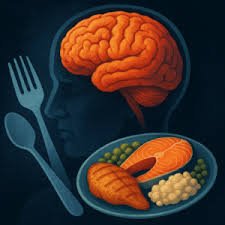
Many people separate physical health from mental performance. They track weight, blood sugar, or cholesterol while blaming brain fog on stress or aging. The body does not work that way.
Metabolic health shapes how the brain receives energy. When blood sugar swings or insulin response weakens, the brain feels it first. Focus slips, memory feels unreliable, and mental stamina drops faster than expected.
When metabolism struggles, the brain compensates poorly. That compensation feels like fatigue, irritability, or slowed thinking. These changes often appear long before major physical symptoms do.
Understanding this connection reframes mental performance as a whole body issue, not a personal flaw.
Blood Sugar Stability And Cognitive Clarity
The brain relies heavily on glucose for energy. Stable blood sugar supports steady attention and emotional regulation. Spikes and crashes disrupt that balance.
After high sugar meals, blood glucose rises quickly. Insulin surges. Energy follows briefly. Then levels fall. The result feels like fog, distraction, or sudden fatigue.
Repeated swings strain cognitive endurance. Decision making feels harder. Small tasks feel overwhelming. Mood shifts quickly.
Improving blood sugar stability often improves mental clarity within weeks. Fewer spikes lead to steadier focus. Meals that balance protein, fiber, and fats support this stability.
Mental sharpness often improves before physical changes become visible.
Insulin Resistance And Brain Performance
Insulin does more than manage blood sugar. It also supports brain signaling. When insulin resistance develops, cells respond less effectively, including neurons.
This resistance affects attention, learning, and memory. People describe slower thinking or difficulty concentrating. These symptoms often appear quietly.
Insulin resistance also increases inflammation. Inflammatory signals interfere with neurotransmitter balance. That interference affects mood and mental stamina.
Addressing insulin resistance through nutrition, movement, sleep, and medical support often improves mental performance alongside metabolic markers.
Inflammation Links Body And Mind
Chronic low-grade inflammation connects metabolic strain with mental symptoms. Excess fat tissue releases inflammatory signals. Poor sleep amplifies them. Stress compounds the effect.
Inflammation affects neurotransmitter balance and blood flow. The brain feels slower. Motivation drops. Anxiety may increase.
This process does not require severe illness. Mild metabolic dysfunction can trigger noticeable mental effects.
Reducing inflammation improves both physical comfort and mental clarity. Better sleep, consistent movement, and improved nutrition help calm this response.
Mental performance often improves as inflammation decreases.
Weight Loss And Mental Sharpness
Weight loss often improves metabolic health, but the mental benefits surprise many people. Focus improves. Energy feels steadier. Mood stabilizes.
These changes occur because metabolism functions more smoothly. Blood sugar stabilizes. Inflammation decreases. Sleep quality improves.
Modern weight loss solutions often target appetite regulation and metabolic balance rather than restriction alone. When hunger quiets, cognitive load decreases.
Medical support can help some people reach this state faster. Appetite regulation reduces constant food thoughts. Mental space opens for focus and creativity.
Weight loss becomes part of mental wellness rather than a separate goal.
Supporting Both Metabolic And Mental Health
Supporting metabolic health supports the brain. Small changes create meaningful shifts. Consistent sleep improves insulin response. Movement improves glucose use. Balanced meals reduce cognitive crashes.
Stress management matters too. Chronic stress raises cortisol, which disrupts metabolism and mental focus. Calming routines protect both systems.
Medical support may help when lifestyle changes fall short. Modern weight loss solutions can improve metabolic stability while reducing mental strain around food.
The connection between metabolic health and mental performance changes how progress is measured. Clear thinking, emotional steadiness, and sustained energy become meaningful outcomes.
When the brain feels supported, habits stick more easily. Motivation improves. Decisions feel less exhausting.
That connection explains why improving metabolic health often feels like gaining mental clarity rather than just losing weight.