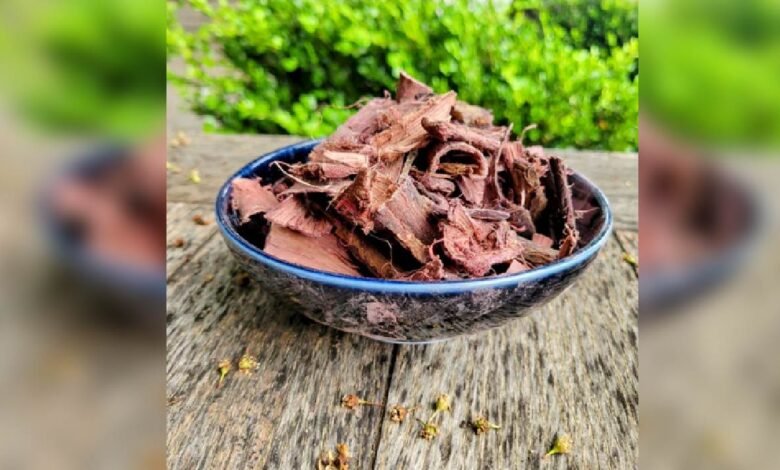
Nature often holds the most effective solutions to our modern problems. For centuries, indigenous cultures in South and Central America have relied on a specific tree for everything from healing wounds to coloring their textiles. This tree is the Mimosa tenuiflora, though it is perhaps better known by the name of the product it yields: Mimosa Hostilis Root Bark.
While many people are just now discovering this incredible natural resource, it has a rich history of use in Mexico and Brazil. Whether you are a natural skincare enthusiast looking for the next big ingredient or an artisan crafter seeking authentic, vibrant natural dyes, this root bark offers a versatility that is hard to match.
Understanding the origins, applications, and sourcing of this plant is essential for anyone looking to incorporate it into their life. From its nickname as the “Skin Tree” to its high tannin content perfect for leather working, Mimosa Hostilis Root Bark is a powerhouse of natural utility.
What Is Mimosa Hostilis Root Bark?
Mimosa Hostilis, scientifically known as Mimosa tenuiflora, is a perennial tree native to the northeastern region of Brazil and found northward into southern Mexico. It is a resilient species, often growing in dry, tropical forests where other plants might struggle to survive.
While the tree produces beautiful white fern-like flowers, the true value lies beneath the soil. The root bark of the tree has been harvested for generations because of its unique chemical composition. In Mexico, this plant is widely referred to as Tepezcohuite.
The bark is harvested—ideally in a sustainable manner that allows the tree to regenerate—and then processed into various forms, such as whole chunks, shredded fibers, or fine powder. This processing makes the raw material accessible for a variety of uses, ranging from cosmetic applications to artistic endeavors.
The “Skin Tree”: Benefits for Skincare
One of the most celebrated uses of Mimosa Hostilis Root Bark is in the realm of skincare. In Mexico, the reputation of Tepezcohuite is legendary. It gained international attention decades ago following industrial accidents where it was used to treat severe burns when conventional medical supplies ran low. The results were so impressive that it earned the moniker “The Skin Tree.”
Natural Skin Regeneration
The inner root bark contains a complex profile of nutrients and compounds that are believed to support skin health. It is rich in tannins, saponins, and various micronutrients. When applied topically, preparations made from the root bark are often used to help soothe skin conditions.
Many users turn to Mimosa Hostilis for its potential to help with:
- Soothing Burns: Historically, the powder has been applied to burns to protect the skin and promote faster recovery.
- Acne and Blemishes: The astringent properties of the bark can help cleanse the skin and balance oils.
- Anti-Aging: Because of its regenerative reputation, it is increasingly found in creams and serums designed to combat fine lines and promote a youthful glow.
How It Is Used in Cosmetics
You might find Mimosa Hostilis Root Bark listed as an ingredient in high-end artisan soaps, lotions, and balms. For the DIY enthusiast, the powdered form of the bark is an excellent addition to homemade face masks. When mixed with other natural ingredients like honey or aloe vera, it creates a nutrient-dense paste that exfoliates and nourishes the skin simultaneously.
A Crafter’s Essential: Natural Dyeing and Tanning
Beyond its cosmetic applications, Mimosa Hostilis Root Bark is a staple in the world of natural arts and crafts. Before the advent of synthetic chemical dyes, artisans relied on plant matter to bring color to their world. This root bark remains one of the best natural sources for durable, vibrant pigments.
High Tannin Content
The root bark is exceptionally high in tannins. Tannins are naturally occurring chemical compounds found in tree bark and other plant matter that are capable of turning animal hides into leather. This process, known as vegetable tanning, is an ancient art form.
For leather workers who prefer natural methods over chromium tanning (which utilizes harsh chemicals), Mimosa Hostilis is a top-tier choice. It produces leather that is soft, pliable, and durable, with a distinctive warm hue.
Vibrant Textile Dyes
For fiber artists, Mimosa Hostilis Root Bark is a dream ingredient. It is used to dye wool, cotton, silk, and other natural fibers. Depending on the mordant used (a substance used to set the dye) and the concentration of the bark, it can yield a stunning range of colors.
- Purples and Violets: It is one of the few natural sources that can produce deep, rich purples.
- Browns and Tans: Lower concentrations or different pH balances can result in warm, earthy browns and terracottas.
Because it is a direct dye with high tannin levels, it binds well to fibers, ensuring that the colors remain vibrant even after multiple washes. This makes it a superior alternative to many other botanical dyes that tend to fade quickly.
Choosing the Right Form: Powder, Shredded, or Whole?
When shopping for Mimosa Hostilis Root Bark, you will typically encounter three main forms. Understanding the difference between them can help you select the right product for your specific project.
- Fine Powder
This is the most versatile and popular form for many users. The bark has been milled down into a flour-like consistency.
- Best for: Skincare formulations, soaps, and quick dye extraction.
- Why choose it: It offers the maximum surface area, meaning you can extract the beneficial compounds or color pigments very quickly without needing specialized grinding equipment at home.
- Shredded Bark
This form consists of fibrous strands of the root bark. It looks somewhat like coarse mulch or shredded coconut.
- Best for: Tea infusions (for dye baths) and long-term storage.
- Why choose it: It is easier to filter out of a liquid than fine powder. If you are making a dye bath and want a clear liquid without sediment, shredded bark is often easier to work with.
- Whole Root Bark chunks
These are larger pieces of the bark, exactly as they were harvested from the tree.
- Best for: Those who want to verify the authenticity of the material or prefer to process it themselves.
- Why choose it: Whole chunks retain their potency for the longest period. If you are buying in bulk and plan to use the product over the course of a year, storing it as whole chunks and grinding it as needed is the best way to ensure freshness.
The Importance of Ethical and Sustainable Sourcing
As the popularity of Mimosa Hostilis Root Bark grows, so does the responsibility to source it ethically. This tree is a vital part of its ecosystem in Brazil and Mexico. Overharvesting or improper harvesting techniques can damage the tree populations and the surrounding environment.
It is crucial to purchase from suppliers who prioritize sustainability. Trusted vendors, such as MHRBUSA™, have established relationships with farmers in Brazil to ensure a fair trade system.
Sustainable Harvesting Practices
Ethical harvesting involves taking only a portion of the root system so that the tree can survive and recover, or replanting trees to replace those that are harvested. MHRBUSA™ ensures that they plant more than they harvest, maintaining a positive ecological balance. This approach ensures that the “Skin Tree” will be around for future generations to use.
Supporting Fair Trade
Buying from reputable sources also ensures that the local farmers in South America are paid a living wage. When you choose a supplier that focuses on fair trade, you are supporting the livelihoods of the communities that have acted as stewards of this plant for centuries.
How to Identify Quality Root Bark
Not all root bark is created equal. Because it is a natural product, the quality can vary depending on the season of harvest, the age of the tree, and how it was dried and stored.
Here are a few signs of high-quality Mimosa Hostilis Root Bark:
- Color: The inner root bark should have a deep, reddish-purple or pinkish hue. If it is dull gray or brown, it may be old or contain too much outer bark (which has fewer beneficial compounds).
- Scent: High-quality bark has a distinct, pleasant, earthy aroma.
- Purity: The product should be free from chemicals, additives, or fillers. The best suppliers offer 100% natural bark with no adulteration.
Conclusion
Mimosa Hostilis Root Bark is a testament to the power of traditional knowledge. Whether you are seeking a natural remedy to soothe irritated skin, a sustainable way to dye your favorite fabrics, or a high-quality tannin source for leatherwork, this plant delivers exceptional results.
By choosing authentic, ethically sourced root bark, you aren’t just buying a product; you are participating in a tradition that spans centuries and supporting sustainable agriculture in South America. Whether you choose powder, shredded, or whole bark, the “Skin Tree” is a versatile addition to any natural lifestyle.
For More Information Visit Cloudmagazine