As the winter chill settles across the United States from the snowy streets of Chicago to the damp winds of Seattle, we retreat indoors and crank up the furnace. While that blast of warm air feels like a literal lifesaver to us, it’s often a death sentence for our green roommates.
If you’ve noticed your once-vibrant fiddle leaf fig looking a bit crispy or your favorite pothos developing mysterious brown tips, you aren’t alone. In this guide, we’ll dive into why heater air is so hard on plants and provide a comprehensive toolkit of strategies to keep your indoor jungle thriving until spring.
Why Heater Air Is Bad for Indoor Plants
When the weather gets cold outside, most U.S. homes switch on central heating, baseboard heaters, or space heaters. These systems warm the air but also lower relative humidity, that is, the amount of moisture the air can hold, often dropping it to levels that mimic desert conditions. In winter, indoor humidity can easily fall to the 10-20% range, especially with forced-air heating. Most common houseplants prefer humidity levels between 40-60% or higher, depending on the species.
Here’s why low humidity matters:
l Faster water loss: Dry air causes leaves to lose moisture quickly through transpiration, leading to browning tips and crispy edges.
l Stressed plants: Sudden temperature changes from heaters or vents can shock plants, slowing growth or causing leaf drop.
l Increased watering needs: Soil may appear dry on the surface sooner, tempting you to water more often, but overwatering can lead to root problems. Striking the right balance is key.
7 Proactive Tips to Protect Your Indoor Plants
Saving your plants doesn’t require turning your living room into a swamp. It’s about smart, localized adjustments.
Relocate Away from Heat Sources
The #1 rule: Keep plants away from vents and radiators. The direct blast of hot air acts like a blow-dryer on their foliage. Move your plants at least 3 to 5 feet away from any active heating register.
Beagile with Plant Placement and Light
Winter sun is weaker, but light is still important. North- or east-facing windows may provide gentler warmth without causing extreme dryness. If natural light is limited, supplemental grow lights can improve plant health and help offset environmental stress from heaters.
Monitor Indoor Humidity and Temperature Regularly
Start with measuring. Aim for a humidity level in the 40-60% range, most tropical and subtropical plants do best here. Use a smart thermo-hygrometer to:
l Track daily trends in humidity and temperature
l Set alerts when humidity drops too low
l Make data-backed decisions about humidifier or dehumidifier use
Having this information helps you fine-tune your indoor climate rather than guessing what your heater is doing to the air.
Use a Humidifier or Evaporative Tray
To counteract dry indoor air, consider a humidifier, especially in living rooms or spaces with many plants. Placing a humidifier near clustered plants increases local humidity more effectively than misting alone. If you don’t have a humidifier, a simple DIY method is to place shallow trays of water near plants. As the water evaporates, it adds moisture to the surrounding air — a low-cost way to help reduce dryness.
The Power of Grouping
Plants naturally release moisture through transpiration. By grouping your plants together, you create a “micro-climate” where they share the humid air they produce. Think of it as a plant huddle for survival.
Use Pebble Tray
A classic DIY fix: Fill a shallow tray with pebbles and water, then set your plant pot on top (ensure the bottom of the pot isn’t touching the water to avoid root rot). As the water evaporates, it creates a small bubble of humidity right around the leaves.
Adjust Your Watering Routine
Counter-intuitively, you may need to water less frequently but more thoroughly in winter. Since many plants go dormant, they don’t need as much water for growth, but the dry air dries out the top inch of soil quickly. Always use the “finger test” before watering.
How to Monitor & Control Indoor Humidity
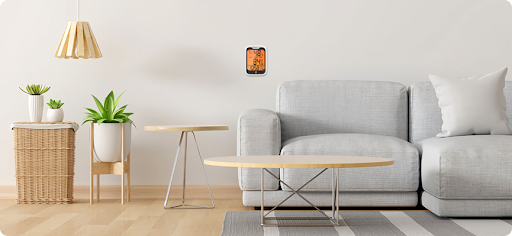
Before you start adjusting anything, it’s critical to know what your indoor temperature and humidity actually are. Guessing isn’t enough, especially when winter dryness varies by home, heating system, and even room location.
That’s where a device like the ThermoPro TP358 Bluetooth Indoor Thermometer Hygrometer really shines.
Why This Tool Is Helpful:
l High-Precision Sensors: It provides professional-grade accuracy for both temperature and humidity, refreshing every 10 seconds.
l Bluetooth Connectivity (260ft Range): You don’t have to keep checking the device. You can monitor the “health” of your plant room right from your phone while you’re in the kitchen or the bedroom.
l Smart Alerts: You can set a “Safe Zone” for your plants (e.g., 45%-60% humidity). If the heater kicks on and the humidity plunges below your limit, the app sends an instant notification to your phone.
l Historical Data Trends: The TP358 records data so you can see exactly when your home gets the driest. Does it happen at 2 AM? Now you know when to set your humidifier to run.
Why it’s a Lifesaver for Your Plants:
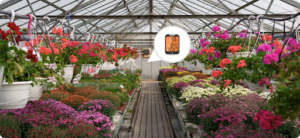
Using the ThermoPro TP358 allows you to be proactive rather than reactive. Instead of waiting for your leaves to turn brown (which is a sign of damage already done), you can see the humidity drop in real-time. This allows you to turn on your humidifier or adjust your thermostat before the plant suffers. It’s the difference between guessing and knowing.
Conclusion
Protecting your indoor plants from dry heater air is all about consistency. By moving plants away from vents, grouping them together, and using smart tools like the ThermoPro TP358 Bluetooth Indoor Thermometer Hygrometer, you can recreate a tropical oasis in the middle of a blizzard.
Your plants give you clean air and mental peace all year long, a little extra care during the winter months is the best way to say thank you.