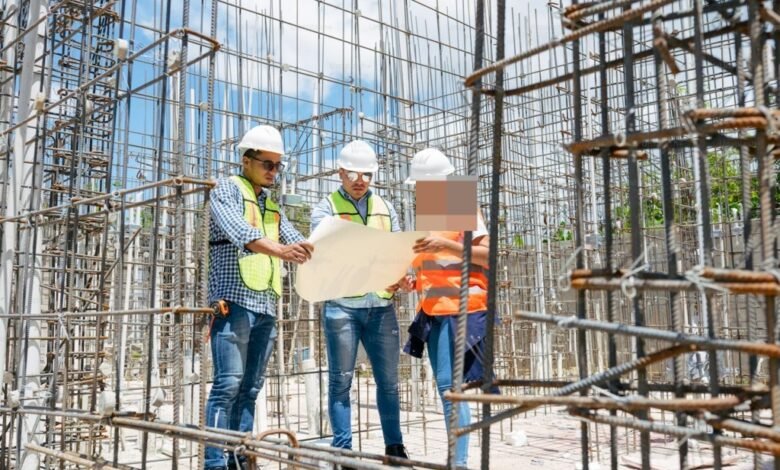
Every morning on construction sites across the country, crews gather for a ritual that has become central to modern safety management: the toolbox talk. These brief, focused discussions—typically lasting 10 to 15 minutes before shifts begin—address specific hazards, reinforce protocols, and create space for workers to voice concerns. What began as a regulatory checkbox has evolved into something more significant: a cultural cornerstone that shapes how construction teams think about risk, responsibility, and collective well-being.
The integration of video content into these sessions has amplified their impact considerably. Safety meeting videos bring abstract concepts to life, demonstrating proper techniques and illustrating consequences in ways that static presentations cannot. When implemented thoughtfully, these visual tools don’t just inform—they change behavior and build the foundation for a genuinely safety-conscious workplace.
The Architecture of Safety Culture
Safety culture in construction extends far beyond compliance with OSHA regulations. It represents the collective attitudes, practices, and assumptions that determine how seriously an organization takes worker protection. Companies with robust safety cultures experience measurably fewer incidents and demonstrate higher employee retention rates.
The strongest safety cultures share several defining characteristics:
- Leadership that consistently prioritizes safety over schedule pressures
- Transparent communication channels where workers can report hazards without fear of retaliation
- Systematic training programs that evolve with emerging risks
- Accountability structures that apply equally across all organizational levels
These elements don’t emerge spontaneously. They require deliberate cultivation through regular reinforcement—precisely what effective toolbox talks provide. When safety discussions become routine rather than exceptional, they signal that worker protection isn’t negotiable, even when deadlines loom or budgets tighten.
How Daily Discussions Shape Long-Term Mindsets
The cumulative effect of regular toolbox talks extends well beyond the specific topics covered in any single session. These brief meetings function as cultural touchstones that continuously reorient teams toward safety-first thinking. Their influence operates through several mechanisms:
- Sustained Attention: Daily or weekly discussions prevent safety from fading into background noise during demanding project phases
- Hazard Recognition: Repeated exposure to various risk scenarios trains workers to identify dangers they might otherwise overlook
- Collective Ownership: Group discussions distribute responsibility across the team rather than concentrating it with supervisors alone
- Behavioral Reinforcement: Consistent messaging gradually converts conscious safety practices into automatic habits
Video content enhances these effects by engaging multiple learning pathways simultaneously. Combining visual and auditory information significantly improves retention compared to text-based materials alone. For construction workers who may have varying literacy levels or language backgrounds, this multimodal approach proves particularly valuable.
What Makes Safety Videos Effective
Not all safety videos deliver equal impact. The most effective examples share specific qualities that distinguish them from generic training content. High-performing safety videos typically feature:
- Scenarios drawn from actual incidents rather than hypothetical situations
- Workers who resemble the intended audience in age, experience, and background
- Concrete demonstrations of proper techniques rather than abstract principles
- Production quality sufficient to maintain attention without unnecessary polish that creates distance
The National Safety Council has documented how targeted video interventions can reduce specific unsafe behaviors by 40-60% when integrated into comprehensive training programs. This effectiveness stems from video’s unique ability to show consequences—both of following protocols and of cutting corners—in ways that resonate emotionally while remaining instructive.
Companies seeking to implement video-based toolbox talks can find resources that balance production quality with practical applicability.
Companies seeking to implement video-based toolbox talks can explore resources from dedicated safety training providers like Ally Safety, Vivid Learning Systems, and 360training, each offering libraries designed around the practical applicability criteria outlined above.
Emerging Technologies Reshape Safety Training
The frontier of construction safety training now extends into immersive technologies that were science fiction a decade ago. Virtual reality systems allow workers to experience high-risk scenarios—working at height, operating heavy equipment, responding to emergencies—in controlled environments where mistakes become learning opportunities rather than tragedies.
Augmented reality applications overlay safety information onto real work environments through smartphone cameras or specialized glasses. A worker can point their device at a piece of equipment and instantly access operating procedures, maintenance history, or hazard warnings. These technologies don’t replace traditional toolbox talks; they extend their reach into moments when workers need information most urgently.
Interactive video platforms represent a middle ground between passive viewing and full VR immersion. These systems pause at critical decision points, asking viewers to choose the appropriate response before revealing consequences. This active engagement creates stronger memory formation than passive observation.
Building Safety Consciousness Through Repetition
Transforming safety from a set of rules into an instinctive orientation requires more than knowledge transfer—it demands the gradual reshaping of workplace norms and individual habits. Regular exposure to construction safety videos contributes to this transformation by:
- Normalizing Caution: When safety content appears daily, protective behaviors become the expected standard rather than exceptional diligence
- Providing Mental Rehearsal: Watching others navigate hazardous situations prepares workers to respond effectively when they encounter similar circumstances
- Creating Shared Language: Common reference points from videos give teams vocabulary for discussing risks and coordinating protective measures
- Demonstrating Leadership Commitment: Investment in quality safety content signals that management views worker protection as worthy of resources, not just rhetoric
Leadership’s role in this cultural shift cannot be overstated. When supervisors and project managers actively participate in toolbox talks rather than delegating them entirely, when they reference safety videos in decision-making, when they acknowledge workers who raise concerns—these actions validate the importance of the safety program far more powerfully than any policy document.
Measuring Impact Beyond Incident Rates
The ultimate measure of safety culture extends beyond lagging indicators like injury rates. Leading indicators—near-miss reporting frequency, safety suggestion submissions, voluntary PPE usage, peer-to-peer corrections—reveal whether workers have internalized safety values or merely comply when supervised.
Organizations with mature safety cultures typically observe:
- Increased reporting of close calls and hazardous conditions
- Workers intervene when they observe unsafe behaviors by colleagues
- Safety considerations were raised proactively during project planning
- Lower turnover rates as workers appreciate the protective environment
These cultural markers emerge gradually through sustained effort. Toolbox talks and safety videos function as the daily practice that, accumulated over months and years, fundamentally alters how teams approach their work. The construction industry’s improving safety record—incident rates have declined substantially over the past two decades despite increasing project complexity—reflects this cultural evolution in action.