Recovery is hard work. But here’s something most people never get told…
Nutrition isn’t only what happens in therapy. What you feed your body is just as important. If your body has been numbed by drugs/alcohol for months (or years) it will be deprived of proper fuel to repair itself. And a deprived, exhausted body cannot overcome cravings and recharge.
That’s where nutrition comes in.
Eating well provides your brain and body with the nutrients it needs to recover and feel good again. Nutrition is one of the most neglected aspects of recovery. It’s free, easy, and completely in your control.
In this article, find out why food is medicine, what to eat and how to tailor it to your needs.
Let’s dig in…
The Roadmap Ahead:
- Why Nutrition Matters In Recovery
- How Addiction Damages The Body
- The Best Foods For Healing
- Simple Habits That Make It Stick
Why Nutrition Matters In Recovery
Here’s the truth nobody tells you when you start your recovery journey…
Nutrition is a massive portion of recovery. By fueling your body with proper nutrition you allow your body to help repair itself. Regulating nutrition allows your body to heal organs, balance mood, and overcome cravings that cause so many addicts to relapse. That’s why holistic recovery and health focuses on whole body care.
Food is being integrated into treatment programs like never before. The team at Inner Voyage Recovery Center is a great example, utilizing a mind, body, spirit approach to recovery. They understand that true recovery involves much more than abstinence from the used substance.
And the data backs this up.
Studies indicate that substance abusers suffer from malnutrition and are lacking many of the essential nutrients their body needs. Problematic. You can’t expect an empty body to recover properly.
Think of your body this way: You wouldn’t build a house out of rotten wood. Why build your body with junk food and lacking vitamins?
How Addiction Damages The Body
Drugs wreak havoc on the body — and food is usually the first victim.
Nutrition is usually far from someone’s mind when they are entrenched in addiction. Meals are skipped. Convenient, inexpensive, sugar-laden foods are eaten. Some drugs take away appetite. Others cause binge eating and poor decisions. Gradually this deprives your body of adequate fuel.
Here’s what that looks like in real life:
- Lacking vitamins: Alcohol and drugs prevent your body from absorbing necessary vitamins such as B, C, and D.
- Body stress: The liver, gastrointestinal system, and brain are all damaged by chronic use.
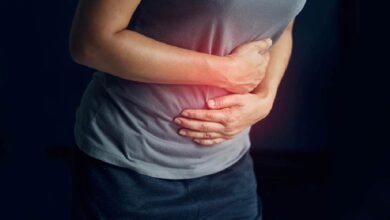
- Digestive problems: Some substances slow the stomach right down and cause real discomfort.
This is only the beginning. Research has shown that up to 80% of opioid users suffered from chronic constipation. Constipation often leads to additional health problems later on.
But here’s the good news…
The body is incredible at healing itself. When you stop putting junk in it and give it what it needs to function, it begins to repair. Neurotransmitters rebuild, energy comes back and mood improves. Plus, cravings subside because your body no longer feels like it NEEDS those chemicals.
That’s why getting food right early on matters so much.
The Best Foods For Healing
So what should you actually be eating?
There’s no need for special diets or costly supplements. It’s really quite simple: rebuild what addiction robbed and fuel your body with consistent, clean energy. Whole foods will take care of most of that for you.
Here’s the breakdown.
Protein To Rebuild
Protein is the building block your body uses to repair itself.
After struggling with addiction your muscles and organs crave protein to repair themselves. Protein also assists your brain to produce “feel good” chemicals that stabilize your mood. Some include:
- Eggs
- Chicken and fish
- Beans and lentils
- Greek yogurt
Try to eat some protein at each meal. It fills you up and evens out your energy so you aren’t bouncing off the walls.
Complex Carbs For Steady Energy
Not all carbs are bad. The right ones are actually your friend.
Complex carbohydrates — oats, brown rice, sweet potatoes, etc. — provide sustained energy without blood sugar spikes. This is important for recovery since blood sugar crashes mimic the sensation of cravings. If you maintain blood sugar, you maintain mental equilibrium.
Healthy Fats For Your Brain
Your brain is mostly fat, so it needs good fats to repair.
Avocados, nuts, olive oil, fatty fish (yes, salmon) are all filled with healthy fats your brain craves. They help with concentration, mood, and clarity – everything active addiction works so hard to destroy.
Fruits & Veggies For Repair
Colorful fruits and veggies are loaded with the vitamins your body has been missing.
They repair damage. They aid your digestion. They enhance your immune system. Fill half your plate with these. The more color, the better.
(Keep it simple — a banana and a handful of berries counts too.)
Simple Habits That Make It Stick
Knowing what to eat is one thing. Actually doing it is another.
Simplicity is key when it comes to nutrition and recovery. You can’t change your entire life overnight. Baby steps lead to greatness. A few simple habits that you should adopt:
- Meal time matters: Eating three meals a day plus some snacks helps maintain stable blood sugar levels and curbs cravings.
- Stay hydrated: Often dehydration masquerades as hunger or cravings during recovery.
- Stock healthy snacks: Nuts, fruit, and yogurt are great grab-and-go options.
- Gradually decrease sugar intake: Excess sugar can affect your mood and activate previous reward-seeking behavior.
And here’s a big one…
Don’t get discouraged if you mess up. Eating healthy is a process, just like recovery is. One slip up won’t hurt you. It’s all about your habits over time.
Seeking support is another way to hold yourself accountable. Your treatment team, nutritionist or even a friend can help keep you focused when you feel less motivated. You’re not in this by yourself.
Bringing It All Together
Nutrition is one of the most powerful (and most ignored) tools in addiction recovery.
Nutrition provides your body with what it needs to recover: healthier organs, a clearer mind, a more stable mood and less temptation to temptations trying to drag you down. Everything else you do is built on nutrition.
To quickly recap:
- Addiction leaves the body starved and depleted
- Whole foods give your body the fuel to repair itself
- Protein, complex carbs, healthy fats, and fresh produce do the heavy lifting
- Small, steady habits beat big overnight changes every time
The path to wellness isn’t always smooth sailing. But when you nourish your body with what it needs — and combine healthy eats with proper support — you’re giving yourself every opportunity to recover for the long haul. Feed your body what it needs and see how it reacts.