Pain management often involves medications that act quickly to reduce discomfort, especially when pain usually appears suddenly or becomes severe after injury or surgery. Among these medications, opioid painkillers are widely prescribed because of their powerful ability to block pain signals and provide relief.
However, many people do not fully understand how the body processes opioid painkillers over time or how long their effects remain in the system. Opioids work by interacting with receptors in the brain and nervous system, but their journey through the body involves several complex biological stages.
From the moment the drug enters the bloodstream to the point it is fully eliminated, multiple organs, including the liver, brain, and kidneys, play important roles. Understanding this process helps patients use medications safely and recognize potential risks such as tolerance or dependence.
The Way Your Body Processes Opioid Painkillers Over Time
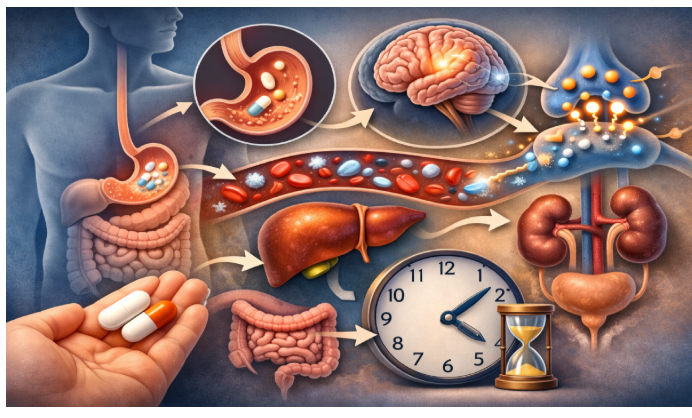
When opioid painkillers enter the body, they follow a complex biological pathway involving absorption, distribution, metabolism, and elimination. Understanding these stages helps explain how the medication provides relief and how the body gradually breaks it down and removes it.
- Absorption into the bloodstream
- Distribution throughout the nervous system
- Metabolism in the liver
- Elimination through the kidneys and other organs
Stage 1: Absorption – How Opioids Enter the Body
When opioid painkillers are taken, the first step is absorption, where the medication enters the bloodstream. This process depends on the method of administration, such as oral tablets, injections, or patches applied to the skin.
Tablets are the most common form and usually dissolve in the stomach or small intestine before entering circulation. Once absorbed, the drug travels through the bloodstream and begins reaching different tissues in the body.
The speed of absorption can vary significantly depending on the formulation of the drug. Immediate-release opioids may start working within 20 to 60 minutes, while extended-release formulations are designed to release medication slowly over many hours.
The type of opioid also matters. For example, medications used for nerve pain associated with injuries or surgery may be formulated differently to maintain consistent levels in the body.
Stage 2: Distribution – How Opioids Travel Through the Body
After absorption, opioids move through the bloodstream in a stage known as distribution. During this phase, the drug spreads to different tissues and organs, including the brain, spinal cord, lungs, and digestive system.
One of the most important steps in distribution is the drug’s ability to cross the blood-brain barrier. This protective barrier surrounds the brain and controls which substances can enter it. Opioids that cross this barrier quickly often produce faster pain relief and stronger effects.
Once inside the brain and spinal cord, opioids bind to mu-opioid receptors, which play a key role in pain perception. By attaching to these receptors, the drug blocks pain signals traveling through the nervous system. This is why opioids are effective when pain usually appears intense or persistent.
Stage 3: Metabolism – How the Body Breaks Down Opioids
Once opioids have circulated through the body, they are processed through metabolism, primarily in the liver. The liver uses specialized enzymes to break the drug down into smaller chemical components called metabolites.
These enzymes belong to a family known as the cytochrome P450 system, which is responsible for processing many medications. Some opioids are converted into active metabolites that continue producing pain relief, while others are transformed into inactive compounds.
Genetics can influence how efficiently this metabolic process occurs. Some individuals metabolize opioids quickly, which can cause the drug’s effects to wear off sooner. Others process them more slowly, meaning the medication may stay active in the body longer.
Stage 4: Elimination – Removing Opioids From the Body
The final stage of opioid processing is elimination, where the body removes the drug and its metabolites. This occurs mainly through the kidneys, which filter substances from the blood and excrete them through urine.
Some metabolites may also leave the body through other routes, including stool, sweat, and small amounts in saliva. The elimination rate depends largely on the drug’s half-life, which refers to the time it takes for half of the drug to be removed from the bloodstream.
Many people ask how long your body keeps opioid painkillers, and the answer varies widely depending on the specific drug, dosage, and individual health factors. Because opioids are fat-soluble, they may also be stored temporarily in fatty tissues before being fully eliminated.
Timeline of Opioid Effects in the Body
The effects of opioid painkillers change over time as the body absorbs, processes, and eliminates the drug. From immediate pain relief to long-term metabolic breakdown, each stage influences how long the medication remains active in the system.
- Early onset and peak effects
- Gradual reduction as metabolism occurs
- Lingering metabolites in the body
Immediate Effects (0–1 Hour)
The first hour after taking an opioid is when the medication begins interacting with the nervous system. During this period, the drug binds to receptors in the brain and spinal cord, blocking pain signals.
Many patients begin to feel pain relief during this stage, particularly if the medication is fast-acting. Some individuals may also experience feelings of relaxation or mild euphoria as the brain’s reward pathways become activated.
Short-Term Effects (1–6 Hours)
During the next few hours, opioids reach their peak concentration in the bloodstream. This is when pain relief is usually strongest and most noticeable.
At the same time, side effects such as drowsiness or slowed reaction time may occur. These effects are linked to how opioids influence neurotransmitters in the brain.
For some individuals, especially those managing nerve pain associated with chronic conditions, this stage provides significant relief that allows normal daily activities to continue.
Extended Effects (6–24 Hours)
As time progresses, the liver continues breaking down opioid molecules into metabolites. These metabolites circulate in the bloodstream until they are filtered by the kidneys.
Although the strongest pain relief may begin to fade, some therapeutic effects can continue for several hours. Long-acting opioid medications are specifically designed to maintain stable drug levels throughout this extended period.
Long-Term Presence in the Body
Even after the primary effects fade, small amounts of opioids may remain in the body. These remnants are mostly metabolites produced during liver metabolism.
In some cases, drug tests can detect opioid metabolites days after the medication was taken. Detection windows depend on the specific drug and the individual’s metabolism.
Factors That Influence How Long Opioids Stay in the Body
The duration opioids remain in the body can vary significantly from person to person. Several factors, including dosage, drug type, metabolism, body composition, and other medications, affect how quickly opioid painkillers are processed and eliminated from the system.
- Dosage and frequency of use
- Type of opioid medication
- Liver and kidney function
- Body composition
- Drug interactions
Dosage and Frequency of Use
The amount of medication taken and how often it is used strongly influence how long opioids remain in the body. Higher doses introduce more drug molecules into the bloodstream, which naturally takes longer for the body to process.
Frequent use can also cause opioids to accumulate in the system. When the drug is taken repeatedly before the previous dose is fully eliminated, the body may maintain higher levels for extended periods.
Type of Opioid
Different opioids have different chemical structures and half-lives. Short-acting medications may leave the body within a few hours, while long-acting opioids remain active much longer.
Examples of long-acting opioids include certain extended-release formulations that release medication gradually over time. These drugs are often used when continuous pain control is required.
Patients who buy dihydrocodeine 30mg tablets online UK or obtain them through pharmacies may notice that their duration differs from other opioids depending on formulation and dosage.
Individual Metabolism
Each person’s metabolism plays a major role in how quickly opioids are processed. Genetic differences in liver enzymes can cause some individuals to metabolize drugs much faster or slower than others.
Age, overall health, and liver function also influence metabolism. For example, individuals with liver disease may process opioids more slowly, allowing the drug to stay in the system longer.
Body Composition
Opioids are fat-soluble, meaning they can temporarily accumulate in fatty tissues. Individuals with higher body fat percentages may store small amounts of the drug in these tissues.
This storage can slightly extend the time opioids remain in the body. Although the amount stored is typically small, it can influence detection times in drug testing. Body weight and hydration levels may also affect how quickly metabolites are removed through urine.
Drug Interactions
Other medications can alter how opioids are processed in the body. Certain drugs may slow liver enzyme activity, causing opioids to remain in the bloodstream longer.
Conversely, some medications can speed up metabolism, reducing the effectiveness of opioid pain relief. Alcohol and sedatives are particularly risky because they can amplify opioid effects on breathing and sedation.
FAQs
How long do opioid painkillers stay in the body?
The time opioids remain in the body depends on the type of medication and the individual’s metabolism. Short-acting opioids may leave the system within a day, while long-acting drugs can remain detectable for several days. Factors such as dosage, liver function, and body composition also influence duration.
Why do opioids cause tolerance over time?
Tolerance develops because the brain adapts to repeated exposure. Opioid receptors become less responsive, and the brain reduces its natural production of endorphins. As a result, higher doses may be required to achieve the same level of pain relief.
Can opioid painkillers cause withdrawal symptoms?
Yes. When the body becomes dependent on opioids, stopping them suddenly can trigger withdrawal symptoms. These may include nausea, muscle aches, insomnia, anxiety, and strong cravings. Withdrawal can last several days or weeks depending on the level of dependence.
Are opioids effective for nerve pain?
Opioids can sometimes help with nerve pain associated with injuries or chronic conditions, but they are not always the first treatment option. Doctors often consider other medications or therapies before prescribing opioids for nerve-related pain.
How do pharmacies ensure safe opioid medications?
Trusted pharmacies follow strict regulations when supplying prescription medicines. Reputable providers work with recognized pharmaceutical manufacturers and provide guidance on safe use. Many online pharmacies emphasize quality standards and professional advice to support patient safety.
Understand How Your Body Handles Opioid Painkillers
Understanding how the body processes opioid painkillers over time helps patients make informed decisions about pain management. From absorption and distribution to metabolism and elimination, each stage plays a critical role in how these medications work and how long they remain active.
Opioids can be highly effective for managing severe pain, but they also require responsible use. Over time, the body may adapt to these drugs, leading to tolerance or dependence if they are not used carefully. Awareness of these changes allows patients and healthcare providers to monitor treatment more effectively.
For individuals seeking reliable medication guidance, choosing a trusted provider is essential. Simply Sleeping Pills, known as one of the most trusted online pharmacies in the UK, works with prestigious pharmaceutical manufacturers to ensure quality medicines and professional advice.
By combining expert guidance with responsible medication use, patients can achieve effective pain relief while protecting their long-term health.