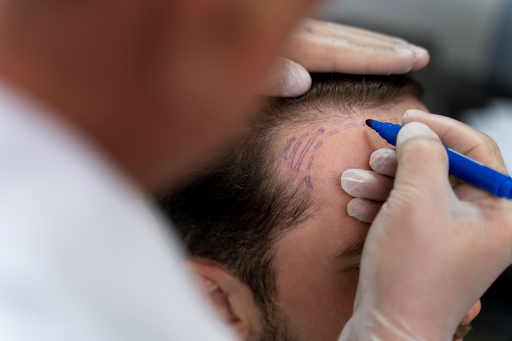
Hair restoration procedures continue to evolve, offering reliable solutions for individuals experiencing hair thinning or hair loss. One of the well-established techniques is FUT hair transplant, which remains a preferred option for patients requiring a larger number of grafts. If you are planning a hair transplant in Bournemouth, proper preparation is essential to ensure a smooth procedure, optimal graft survival, and a comfortable recovery.
Understanding FUT Hair Transplant
Follicular Unit Transplantation (FUT) involves removing a thin strip of scalp from the donor area (usually the back of the head), from which individual hair follicles are extracted and transplanted into areas experiencing hair loss.
This method is particularly beneficial for:
- Patients requiring a high number of grafts
- Individuals with stable donor hair density
- Those seeking long-term, natural-looking results
Because FUT is a surgical procedure, preparation plays a critical role in ensuring safety and effectiveness.
Why Preparation Matters
Preparing for a hair transplant in Bournemouth helps:
- Improve healing and recovery time
- Reduce the risk of complications
- Enhance graft survival and growth
- Ensure you feel confident and informed before surgery
Following professional guidance before the procedure can significantly influence the overall success of your hair transplant.
Attend A Detailed Consultation
The first step in preparing for an FUT hair transplant is a thorough consultation with your surgeon. During this appointment:
- Your scalp and hair loss pattern will be assessed
- Donor area quality will be evaluated
- A personalised treatment plan will be created
- Expectations and potential outcomes will be discussed
This is also your opportunity to ask questions about the procedure, recovery, and long-term results.
Review Medical History And Medications
Before undergoing an FUT hair transplant, it is important to provide a complete medical history. Inform your surgeon about:
- Any underlying health conditions
- Previous surgeries
- Medications or supplements you are taking
Certain medications, particularly blood thinners or anti-inflammatory drugs, may need to be paused prior to surgery to minimise bleeding risk. Always follow your doctor’s advice before making any changes.
Avoid Alcohol And Smoking
Lifestyle choices can impact healing and graft survival. Patients are generally advised to:
- Avoid alcohol for at least 48–72 hours before the procedure
- Stop smoking at least one week prior
Smoking can reduce blood flow to the scalp, which may affect graft survival and slow down healing.
Prepare Your Scalp And Hair
Proper scalp preparation is an important part of getting ready for a hair transplant in Bournemouth. Your clinic may recommend:
- Washing your hair thoroughly on the day of the procedure
- Avoiding the use of styling products such as gels or sprays
- Keeping the scalp clean and free from irritation
In some cases, the donor area may be trimmed by the clinic before the procedure begins.
Plan Comfortable Clothing
On the day of your FUT procedure, wear comfortable, loose-fitting clothing. Button-up shirts are often recommended so that you do not need to pull clothing over your head after the procedure, which could disturb the transplanted grafts.
Arrange Transportation And Support
Because the procedure can take several hours, it is advisable to arrange transportation home afterward. While FUT is typically performed under local anaesthesia, having someone assist you ensures comfort and safety.
You may also want to arrange support at home for the first day or two, particularly if you need help with daily tasks.
Prepare For Recovery
Planning ahead for recovery is an important part of preparing for an FUT hair transplant. Consider the following:
- Take time off work (usually several days to a week)
- Prepare a comfortable resting area at home
- Have prescribed medications ready
- Stock up on gentle shampoos as recommended by your clinic
Being organised helps you focus on healing without unnecessary stress.
Understand The Procedure Day
Knowing what to expect can ease anxiety and help you feel more prepared. On the day of your hair transplant in Bournemouth:
- The donor area will be numbed with local anaesthesia
- A strip of scalp will be removed
- Individual follicular units will be prepared and implanted
- The procedure may take several hours depending on the number of grafts
Patients remain awake during the procedure but should feel minimal discomfort.
Follow Pre-Procedure Instructions Carefully
Your clinic will provide specific pre-operative instructions tailored to your case. These may include:
- Avoiding certain foods or drinks
- Taking prescribed medications
- Following hygiene guidelines
Adhering strictly to these instructions helps ensure a smooth surgical process and reduces the risk of complications.
Mental Preparation And Expectations
Preparing mentally is just as important as physical preparation. It is important to understand:
- Results take time—new hair growth typically begins after a few months
- Initial shedding of transplanted hair is normal
- Full results may take 9–12 months to become visible
Having realistic expectations helps you stay patient and satisfied with the gradual progress of your results.
Common Mistakes To Avoid
To ensure the best outcome, avoid the following:
- Ignoring pre-procedure instructions
- Continuing smoking or alcohol use
- Failing to disclose medical information
- Not planning adequate recovery time
Avoiding these mistakes contributes to a safer and more successful experience.
Conclusion
Proper preparation is essential for achieving the best results from an FUT hair transplant. From attending a detailed consultation to adjusting lifestyle habits and planning recovery, each step plays a role in ensuring a smooth procedure and optimal outcomes.
If you are considering a hair transplant in Bournemouth, taking the time to prepare both physically and mentally can make a significant difference in your overall experience. By following professional guidance and planning ahead, you can approach your procedure with confidence and set the foundation for successful, natural-looking hair restoration results.