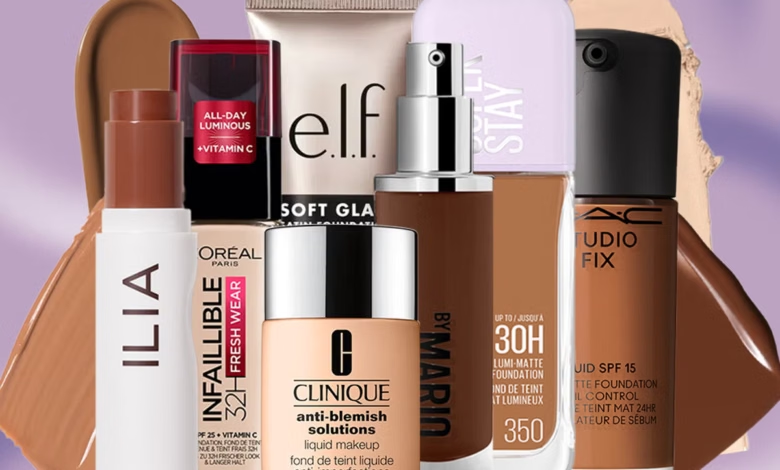
Buying a new foundation can feel like the easiest way to fix makeup that looks patchy or settles into dry spots. You might even find yourself trying one product after another, hoping the next one will finally sit right on your skin. Before spending more money, though, take a closer look at your skincare routine and how your skin feels throughout the day. Even affordable professional makeup brushes can only do so much when your skin is dry and flaky. Getting that dryness under control could save you from buying products you never really needed.
Why Foundation Looks Different on Dry Skin
Foundation does not always behave the way you expect, especially when your skin is short on moisture. Instead of spreading evenly, it may do the following:
- cling to flaky areas
- collect around your nose
- make rough patches stand out
You might notice these problems shortly after applying your makeup, even if everything looked fine in the bathroom mirror. Adding another layer often makes the texture more obvious rather than covering it up.
This can be frustrating when you have spent good money on a foundation that looked beautiful on someone else. The formula may not be the problem at all. Dry skin can affect how makeup settles, so even a product you usually love might look uneven when your skin needs extra care. Before replacing your foundation, give your skin some attention and see whether that changes the result.
The Cost of Chasing the Perfect Foundation
It is easy to blame your foundation when your makeup refuses to cooperate. You might be tempted to do the following:
- buy a dewy formula
- switch to a different brand
- pick up a more expensive product (assuming the problem is quality)
These purchases add up, especially when you keep products that never quite work as expected. Meanwhile, the original issue may still be sitting right there in your skincare routine.
Take a moment to look at the products you already own before heading to the makeup counter. If your foundation used to apply smoothly but now looks flaky, consider whether your skin has become drier or more irritated. Changes in weather, frequent exfoliation, and harsh cleansers can all leave skin feeling uncomfortable. Adjusting your routine may be a much cheaper first step than starting your makeup collection over again.
Give Your Skin Moisture Before Applying Makeup
A simple skincare routine can make foundation easier to apply without requiring a shelf full of expensive products. Start with a gentle cleanser that leaves your skin feeling comfortable rather than tight. Follow with a moisturizer suited to your skin type, giving it enough time to settle before reaching for your makeup. If your skin is particularly dry, a moisturizer containing ingredients such as glycerin or hyaluronic acid may help attract and retain moisture.
You do not need to pile on several creams and serums to get a better result. Too many products can leave your skin feeling greasy or cause your makeup to slip around. Pay attention to how your face feels after cleansing and throughout the day. If dryness keeps returning or comes with persistent redness, itching, or cracking, consider speaking with a dermatologist instead of repeatedly trying new products.
Your Makeup Technique Matters, Too
Once your skin feels comfortable, take another look at how you apply foundation. Rubbing product into dry patches or layering too much over them can make uneven texture more noticeable. Start with a small amount and blend gently, adding coverage only where you need it. You may find that you use less foundation than before because your skin no longer causes the product to catch in certain areas.
Your tools can also affect the finish. Professional makeup brushes come in different shapes and densities, so the right one depends on the formula you use and the coverage you want. A dense brush can build coverage, while a softer brush may help spread foundation more lightly. Whichever tool you choose, use gentle strokes and clean it regularly to remove old product, oil, and residue that can interfere with application.
Spend Money Where It Makes a Difference
Fixing dry skin does not mean you have to buy a whole new skincare collection. Start with what you own, check whether your cleanser or exfoliating products might be too harsh, and make moisturizing a consistent part of your routine. Give any changes time to show results rather than replacing several products at once. That way, you can tell what actually helps instead of spending money on products that do very little.
The same approach applies to makeup purchases. If your foundation still works well once your skin is hydrated, there is no reason to replace it just because it looked patchy a few weeks ago. You can put that money toward a product you genuinely need or simply keep it in your budget. Sometimes, the most useful beauty purchase is the one you decide not to make.
Final Word
Dry skin can make even a favorite foundation look disappointing, but buying another bottle is not always the answer. Give your skincare routine a chance to work before spending more on makeup, and keep your application light while your skin recovers. With better hydration and affordable professional makeup brushes that suit your routine, you may get a finish you love without constantly shopping for replacements. Your skin gets the care it needs, and your wallet gets a break, too.