In Canada, controlled growing space has become more important across a wide range of operations. Commercial growers, municipal teams, facilities managers, and industrial buyers often need a reliable way to protect plants, young crops, and seasonal materials from shifting weather. Cold nights, wind, heavy rain, and short growing windows can all reduce productivity when outdoor work depends too heavily on open conditions. That is why a crystal clear greenhouse can have practical value far beyond hobby gardening.
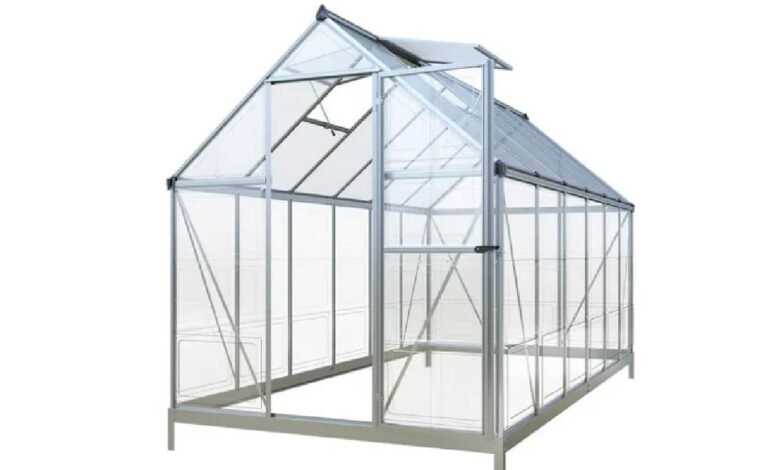
A product such as the Crystal Clear Greenhouse shows how this type of structure supports controlled growing and organized site work. In this category, a 6 x 12 foot footprint, aluminum frame, integrated gutter system, roof vents, heavy-duty base, and floor anchors create a compact environment that can support light management, ventilation, and water control in one space.
Why This Structure Matters in Canada
Canadian operations often work around narrow seasonal windows. In many regions, early spring and late autumn conditions can limit planting, staging, and stock protection. A greenhouse helps reduce direct exposure to weather while allowing natural light to enter. That makes it useful not only for growers, but also for operations teams managing landscaping stock, nursery supplies, replacement plants, or temperature-sensitive materials.
This is especially relevant for:
- Municipal grounds departments
- Commercial landscaping operations
- Small agricultural support sites
- Facilities that handle seasonal plant inventory
Common Methods and Use Cases
Early Plant Development
One of the most common uses is for seedlings, herbs, vegetables, and young plant stock. A smaller greenhouse can help hold warmth and reduce plant stress during early-stage growth, especially when outdoor conditions are unstable.
Staging and Short-Term Storage
It can also serve as a staging point for trays, small tools, growing supplies, and replacement plants. In industrial and institutional settings, that helps teams organize materials close to the point of use instead of moving items repeatedly from a distant building.
Why Efficiency, Safety, and Productivity Matter
A greenhouse affects more than plant growth. It changes how people work. Better organization can reduce wasted motion, lower weather-related losses, and support more predictable routines. When materials are exposed or scattered, teams often spend more time replacing damaged stock, moving trays, or reacting to moisture problems. A defined enclosure improves control.
- More stable handling conditions
- Better protection from rain and wind
- Improved organization of seasonal materials
- Less avoidable plant loss
Technical Basics and Capability Considerations
Buyers should review frame material, ventilation, drainage, anchoring, and usable interior space. In this product class, the aluminum frame supports corrosion resistance, while roof vents help with airflow and temperature management. An integrated gutter system is also important because water runoff affects both greenhouse performance and surrounding site conditions. Included anchors and a heavy-duty base can improve stability when installation is done correctly.
Factors That Affect Performance and Effectiveness
Real performance depends on several factors outside the product itself. Ground preparation, drainage, local wind exposure, cleaning routines, seasonal snow conditions, and internal layout all shape results. Even a well-designed greenhouse can perform poorly when placed on unstable ground or used without ventilation planning.
Safety Best Practices, Tools, and Limits
- Install on level and well-drained ground
- Inspect vents, frame joints, and anchors regularly
- Keep walkways clear to prevent trips and falls
- Manage moisture to reduce slippery surfaces and mould risk
- Use shelving and trays that match the available space
Common related items include shelving, seed trays, watering systems, thermometers, humidity monitors, carts, and hand tools for assembly. The main advantages are light access, compact footprint, organized growing space, and better water management. The main limits are modest capacity, exposure to site conditions, and the need for routine monitoring rather than unattended use.
A Real-World Example and Final Outlook
A realistic example is a municipal operations team using a compact greenhouse to hold seasonal flower trays and replacement plants before installation in parks and streetscapes. Instead of leaving materials exposed in an open yard, the team gains a controlled location for staging, inspection, watering, and short-term protection.
Looking ahead, Canadian operations are likely to place more value on compact greenhouse systems that support better planning, improved asset protection, and more controlled outdoor workflows. For organizations that manage plant materials or seasonal site stock, TMG Industrial crystal clear greenhouses will continue to offer a practical balance between simplicity, protection, and operational control.