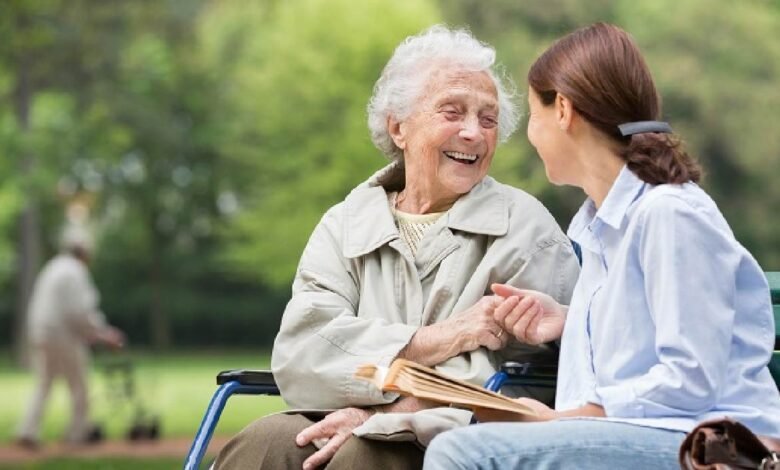
As aging populations grow worldwide, traditional institutional care models are giving way to community-based approaches that prioritize independence and personalized support. This shift reflects a fundamental change in how societies view elder care, moving from centralized facilities to networks of local services that allow seniors to remain in familiar surroundings. The change raises important questions about implementation, accessibility, and effectiveness. Understanding what makes these programs successful requires examining the specific services, technologies, and collaborative frameworks that collectively transform daily life for older adults.
Why Community-Based Care Is Becoming a Preferred Option for Aging Populations
As populations worldwide continue to age at unprecedented rates, community-based care has emerged as a viable alternative to traditional institutional settings for elderly individuals. This approach allows seniors to receive necessary support while remaining in familiar environments, preserving their independence and dignity.
Research demonstrates that elderly people who age in place experience better mental health outcomes and maintain stronger social connections compared to those in institutional care. The cost-effectiveness of community-based services also contributes to their growing popularity. Home health aides, adult day programs, and mobile medical services typically cost considerably less than nursing home placements.
Additionally, these programs reduce hospital readmissions by providing consistent monitoring and preventive care. Families increasingly prefer this model as it enables them to participate actively in caregiving while professionals handle specialized medical needs.
How Local Support Services Enhance Independence and Daily Well-Being for Seniors
Local support services form the backbone of successful aging in place by addressing the specific challenges that threaten senior independence. Transportation programs enable seniors to attend medical appointments, purchase groceries, and maintain social connections without relying on family members. Meal delivery services guarantee proper nutrition while reducing the physical demands of cooking and shopping. Home modification assistance creates safer living environments through grab bar installation, improved lighting, and accessibility adaptations.
Personal care aides help with bathing, dressing, and medication management, allowing seniors to maintain dignity while receiving necessary support. These services work collectively to prevent isolation and functional decline.
The Benefits of Adult Day Care Programs for Social Engagement and Structured Care
Adult day care programs provide structured environments where seniors receive supervised care and therapeutic activities during daytime hours while their primary caregivers work or attend to other responsibilities.
These facilities combat social isolation by offering group activities, educational workshops, and recreational programs that stimulate cognitive function and emotional well-being. Participants engage in exercises, arts and crafts, music therapy, and memory enhancement activities tailored to various ability levels.
Professional staff members monitor health conditions, administer medications, and provide nutritious meals while maintaining safe surroundings. The structured schedule creates routine and predictability, which proves especially beneficial for individuals with dementia or Alzheimer’s disease.
Family caregivers gain respite time to manage personal obligations, reducing burnout and stress. This arrangement enables seniors to remain living at home longer while receiving necessary supervision and social interaction during daytime hours.
The Role of Travel Nursing Companies in Expanding Access to Quality Elder Care Services
Travel nursing companies address critical staffing shortages in elder care facilities by deploying qualified healthcare professionals to underserved areas and organizations experiencing temporary personnel gaps.
These agencies maintain networks of experienced nurses who can quickly fill vacancies in nursing homes, assisted living facilities, and home health services. By providing flexible staffing solutions, travel nursing companies guarantee continuity of care during changes, seasonal demands, or unexpected absences.
The model benefits rural communities and understaffed urban facilities that struggle to attract permanent healthcare workers. Travel nurses bring specialized geriatric expertise and fresh perspectives to care teams while maintaining professional standards across different settings.
This approach reduces burnout among permanent staff by alleviating workload pressures and enables facilities to maintain adequate nurse-to-patient ratios essential for quality elder care delivery.
How Community Health Resources Help Reduce Caregiver Burden and Stress
Beyond professional staffing solutions, family members who serve as primary caregivers for elderly relatives face significant physical, emotional, and financial strain that can compromise both their own wellbeing and the quality of care they provide.
Community health resources address this burden through respite care programs that allow temporary relief, enabling caregivers to rest and attend to personal needs. Support groups facilitate peer connections where caregivers share experiences and coping strategies.
Educational workshops teach proper care techniques, reducing injury risks and increasing confidence. Case management services coordinate medical appointments and insurance matters, alleviating administrative stress.
Adult day programs provide structured activities for elderly individuals while caregivers work or handle responsibilities. Mental health counseling addresses caregiver depression and anxiety. These integrated resources create sustainable care arrangements that benefit both elderly individuals and their family caregivers.
Supporting Physical, Emotional, and Cognitive Health Through Personalized Care Approaches
Effective community-based care recognizes that elderly individuals present diverse health profiles requiring tailored interventions rather than standardized protocols. Personalized care plans address physical needs through customized exercise programs, nutrition guidance, and medication management specific to existing conditions. Emotional wellbeing receives attention through mental health screenings, counseling services, and social engagement opportunities that combat isolation and depression.
Cognitive health interventions include memory-training activities, problem-solving exercises, and early dementia detection programs. Care coordinators conduct thorough assessments to identify individual strengths, limitations, and preferences, then adapt services accordingly.
This individualized approach proves more effective than one-size-fits-all solutions, yielding measurable improvements in functional independence, quality of life, and health outcomes. Regular reassessments guarantee care plans evolve with changing needs, maintaining relevance and effectiveness throughout the aging process.
The Importance of Coordinated Care Between Families, Healthcare Providers, and Community Organizations
While personalized care approaches establish the foundation for meeting individual elderly needs, their success depends heavily on seamless collaboration among multiple stakeholders. Coordinated care guarantees that families, healthcare providers, and community organizations work synergistically rather than in isolation.
When primary care physicians communicate regularly with home health aides, duplicate services are eliminated and care gaps are identified quickly. Family members gain clarity about their loved one’s treatment plans, enabling them to provide appropriate support at home.
Community organizations contribute essential resources like meal delivery, transportation, and social programs that complement medical care. Electronic health records facilitate information sharing across providers, reducing medical errors and preventing adverse drug interactions.
Regular care team meetings allow stakeholders to adjust interventions based on changing needs. This collaborative framework creates a thorough safety net that addresses physical health, mental wellbeing, and social connection simultaneously.
Technology and Remote Monitoring Tools Improving Senior Care Outcomes
As coordinated care systems mature, digital innovations are transforming how elderly individuals receive and experience healthcare services. Remote monitoring devices now track essential signs, medication adherence, and daily activity patterns, enabling providers to detect health changes before emergencies occur.
Wearable sensors alert caregivers to falls, irregular heart rhythms, and sudden mobility changes, reducing hospital readmissions by facilitating timely interventions. Telehealth platforms connect seniors with physicians, specialists, and mental health professionals without transportation barriers. Video consultations improve access for homebound individuals while maintaining continuity of care.
Smart home technologies, including automated medication dispensers and voice-activated systems, support independence and safety. These tools generate real-time data that inform care decisions, allowing providers to personalize treatment plans. When integrated with community support networks, technology bridges geographical gaps and enhances quality of life for aging populations.
Future Trends in Community-Based Elder Care Focused on Quality of Life and Aging in Place
How will community-based elder care evolve to meet the preferences of aging populations who prioritize independence and familiar surroundings? Predictive analytics will enable personalized care plans that anticipate health changes before crises occur. Artificial intelligence systems will coordinate multiple service providers, ensuring seamless care delivery while reducing administrative burdens.
Smart home modifications will become standard, integrating fall detection, medication management, and environmental controls that adapt to declining abilities. Village-to-village networks will expand, connecting neighbors to share resources and transportation. Intergenerational housing models will blend senior living with family units, fostering natural support systems.
Medicare and Medicaid reimbursement structures will shift toward preventive community services rather than institutional care. Workforce development programs will train community health workers specifically in geriatric care coordination, addressing current staffing shortages while creating local employment opportunities that strengthen neighborhood-based support systems.