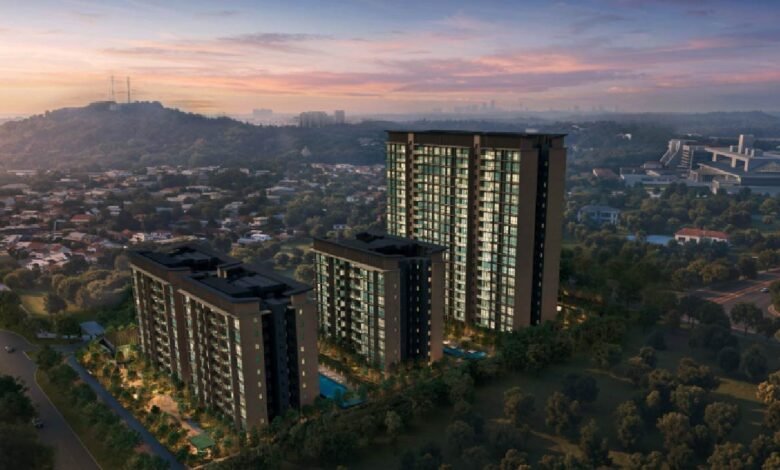
Moving to Singapore offers an exciting lifestyle, but finding the perfect home requires careful planning. For many expatriates, purchasing a private condominium represents both a stable residence and a sound financial investment. Premium developments like Dunearn House showcase the high standard of living available in the city-state’s prime residential districts. However, the local real estate market has unique regulations, tax structures, and financing rules that foreigners must understand before making a purchase. This guide breaks down the essential steps, costs, and top residential areas to help you make an informed decision. By understanding the local property market, you can find a property that aligns with your lifestyle and long-term financial goals.
Understanding Legal Eligibility and Restrictions for Foreigners
Foreign buyers face specific legal parameters under Singapore’s Residential Property Act. While foreigners cannot purchase landed homes without special government approval, private condominium units are unrestricted. This makes developments like Thomson Reserve highly attractive to international buyers who want premium amenities without complex administrative hurdles. When you purchase a unit at Dunearn House, you enjoy full ownership rights of the apartment alongside shared access to facilities like swimming pools, gyms, and 24-hour security.
Financially, you must account for the Additional Buyer’s Stamp Duty (ABSD). Currently, foreigners pay a significant tax rate on residential property purchases, unless they qualify for nationality-based treatment under specific Free Trade Agreements. For instance, citizens of the United States or Switzerland enjoy the same stamp duty treatment as Singapore citizens. If you prefer a coastal lifestyle, looking at waterfront options like Vela Bay can provide a resort-like experience while maintaining your investment value. Before signing any Option to Purchase (OTP), consult a qualified real estate lawyer to verify your tax obligations. Understanding these upfront costs prevents unexpected financial strain during the transaction process, ensuring a smooth path to homeownership in Singapore’s highly regulated market. Additionally, secure your financing early. Singapore banks offer mortgages to expatriates, but the Loan-to-Value (LTV) limit typically caps borrowing at 75% of the property value, requiring a substantial cash down payment.
Key Residential Districts for Expatriates
Singapore divides its residential areas into three main regions: the Core Central Region (CCR), the Rest of Central Region (RCR), and the Outside Central Region (OCR). Traditional expat enclaves in Districts 9, 10, and 11 offer proximity to the Central Business District and international schools. In these prime areas, projects like Lucerne Grand provide luxury finishes and unmatched convenience for busy professionals. These central locations retain high rental demand and strong capital appreciation potential over time.
However, suburban areas in the OCR have grown increasingly popular due to major infrastructure developments and competitive pricing. The emerging enclave around Lentor Gardens represents a modern residential hub featuring lush green corridors and direct transit connections. For families seeking a quieter suburban environment near nature reserves, Pinery Residences offers spacious layouts and family-friendly amenities at a more accessible price point. Choosing the right district depends on your daily commute, family needs, and preferred lifestyle. While central districts offer vibrant urban living, the outer regions provide larger living spaces and a peaceful escape from the bustling city center. Evaluating these regional differences helps you narrow down your search to neighborhoods that match your daily routine and long-term lifestyle preferences.
Analyzing Investment Potential and Rental Yields
Evaluating a condominium requires looking beyond aesthetics to analyze financial performance metrics. High rental yield and capital appreciation are critical for expats who may eventually relocate. Central properties like Lucerne Grand typically command premium rental rates from corporate tenants, ensuring steady cash flow. However, suburban properties often yield higher percentage returns because of their lower initial purchase prices. Examining historical transaction data in the surrounding neighborhood helps you identify realistic rental expectations.
For a detailed look at master plans and future growth, utilizing a specific Lentor Gardens buying guide can reveal how upcoming transit lines and commercial hubs will impact local property values. Infrastructure developments often trigger significant capital gains for early buyers. For instance, proximity to the Thomson-East Coast MRT line boosts the long-term value of nearby developments like Thomson Reserve, making them resilient assets during market fluctuations. Additionally, check the ratio of owner-occupiers to tenants in your chosen development. A higher percentage of owner-occupiers generally leads to better building maintenance and community stability. When researching properties near Lentor Gardens, look for projects with efficient layouts and low maintenance fees to maximize your net rental yield and overall return on investment.
Navigating the Purchase Process Step-by-Step
Once you select a property, the formal purchasing process begins with securing an Option to Purchase (OTP). You pay a non-refundable option fee, usually 1% of the purchase price, to the seller in exchange for the OTP document. This document grants you the exclusive right to buy the property for a specified period, typically two weeks. During this time, your legal counsel reviews the terms while you finalize your bank loan. Whether you are buying a boutique apartment at Dunearn House or a spacious unit at Pinery Residences, this legal stage requires meticulous attention to detail.
After finalizing your mortgage, you exercise the OTP by signing the Sale and Purchase Agreement and paying the remaining down payment, usually 4% to 9% of the purchase price. You must also pay the buyer’s stamp duties within 14 days of exercising the option. The entire transaction takes about eight to twelve weeks to complete, culminating in the handover of keys. For off-plan properties or new launches like Vela Bay, payments follow a progressive scheme tied to construction milestones. Your lawyer manages these payments to ensure compliance with local regulations. Working with experienced real estate agents and legal advisors ensures you meet all deadlines and avoid costly penalties during this crucial transition.
Essential Tips for Managing Your Property Long-Term
Owning a condominium in Singapore involves ongoing responsibilities that extend far beyond the initial purchase. As an owner, you must pay monthly maintenance fees to the Management Corporation Strata Title (MCST). These fees fund the upkeep of shared facilities, security services, and general building repairs. Premium developments with extensive landscaping and multiple swimming pools generally charge higher maintenance fees, which directly impacts your monthly cash outflow.
Additionally, you must account for annual property taxes, which the Inland Revenue Authority of Singapore calculates based on the property’s Annual Value. This tax rate is progressive and varies significantly depending on whether you owner-occupy the unit or rent it out to tenants. If you plan to lease your unit, hiring a professional property manager can save you time and stress, especially if you travel frequently. A reliable manager handles tenant queries, coordinates repairs, and ensures timely rent collection. When analyzing your budget, refer to resources like a comprehensive Lentor Gardens buying guide to estimate these ongoing ownership costs accurately. Factoring these expenses into your initial financial model ensures your investment remains profitable and hassle-free over the long term, allowing you to enjoy the benefits of Singapore’s stable real estate market.
Conclusion
Purchasing a condominium in Singapore is a significant milestone that offers both a comfortable home and a resilient investment. By understanding the legal eligibility rules, tax structures, and step-by-step transaction process, you can approach the market with confidence. Whether you prefer the central luxury of established districts or the long-term growth potential of suburban neighborhoods, the key to success lies in thorough research and professional guidance. Partnering with experienced real estate agents, financial advisors, and legal experts ensures a smooth homebuying journey. With careful planning and realistic budgeting, your Singapore property will serve as a valuable asset and a wonderful place to live for years to come.