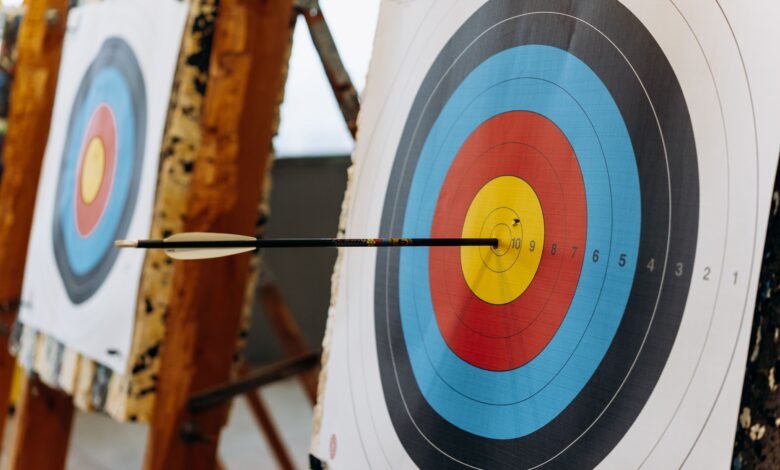
When people think about target sports, they often focus on accuracy, technique, and competition. However, one of the most important elements of these disciplines happens behind the scenes: mental preparation.
Target sports require athletes to concentrate on a specific objective while managing distractions, controlling emotions, and maintaining consistency. These demands make target-based competition a strong example of how athletic performance depends on both physical skills and psychological preparation.
The benefits can also extend beyond competition. Focus, patience, confidence, discipline, and resilience are valuable qualities that can support education, professional development, and everyday life.
Concentration Is at the Heart of Target Sports
Precision-based sports require a high level of concentration. Competitors must stay attentive to their surroundings, follow established safety procedures, and maintain a consistent routine throughout their performance.
Unlike sports involving constant movement, many target disciplines require athletes to remain patient and wait for the appropriate moment rather than rushing a decision.
This process can strengthen the ability to filter out distractions and focus on the immediate task. With regular practice in a properly supervised sporting environment, athletes can learn to direct their attention toward specific objectives while maintaining composure.
That play exchange skill has applications far beyond sport. Students can use focused attention while studying, while professionals can apply it when handling complex or demanding responsibilities.
The Connection Between Mind and Body
Athletic performance is rarely determined by the mind or body alone. Target sports demonstrate this relationship particularly clearly because physical tension, breathing patterns, and mental pressure can all influence performance.
An athlete who becomes excessively anxious may find it difficult to maintain consistency. By contrast, someone who remains calm and focused may be better prepared to perform according to their training.
For this reason, athletes may incorporate relaxation, controlled breathing, mindfulness, and consistent pre-performance routines into their preparation. These practices can help them recognize physical tension and regain a composed state of mind.
The broader lesson is straightforward: mental preparation can directly influence physical execution.
Patience Builds Discipline
Target sports can teach athletes that meaningful improvement takes time. Developing consistency requires repetition, feedback, patience, and a willingness to learn from mistakes.
A competitor may perform exceptionally well on one occasion and struggle during another session. Learning to respond constructively to both experiences is an important part of athletic development.
Rather than becoming discouraged by an unsuccessful performance, athletes can review what happened, identify areas that need improvement, and return to training with a specific objective.
This approach is useful in many areas of life. Whether someone is learning a new subject, developing a professional skill, or pursuing a personal goal, sustainable progress usually comes from consistent effort rather than immediate perfection.
Developing Emotional Control
Competition naturally creates pressure. Scores, expectations, opponents, and personal goals can all affect an athlete’s emotional state.
Learning to manage those emotions is therefore an important part of competitive performance. Athletes need to recognize frustration, disappointment, or nervousness without allowing those feelings to interfere with their decision-making.
Target sports can provide a structured environment where competitors practice staying composed during difficult moments. Over time, this may encourage greater emotional awareness and self-control.
The objective is not to eliminate emotions. Instead, athletes learn to acknowledge what they are feeling while continuing to follow their preparation, maintain concentration, and make thoughtful decisions.
Confidence Comes From Consistency
Confidence is another important psychological quality that can develop through sports participation.
Healthy confidence does not mean expecting every performance to be perfect. Instead, it comes from knowing that you have prepared, practiced, and developed strategies for responding when things do not go according to plan.
Target sports can provide measurable opportunities to monitor progress. Athletes may observe improvements in consistency, concentration, performance results, or their ability to remain composed under pressure.
Recognizing gradual improvement can reinforce the understanding that disciplined practice produces meaningful results.
That confidence can eventually carry into other areas of life, helping people approach difficult challenges with greater patience, self-belief, and determination.
Finding a State of Deep Focus
Athletes sometimes experience periods when they become completely absorbed in their performance. Sports psychology commonly describes this experience as flow.
During flow, attention becomes highly focused, distractions become less significant, and the athlete becomes deeply engaged with the activity.
Target sports can encourage this type of concentration because successful performance requires competitors to remain attentive to a defined objective while minimizing unnecessary distractions.
The ability to concentrate deeply can be particularly valuable outside sport. In a world filled with notifications, multitasking, and constant digital interruptions, being able to dedicate sustained attention to a single task is an increasingly useful skill.
Managing Pressure Through Practice
Pressure is an unavoidable part of competitive sport. What often separates athletes is not whether they experience pressure, but how they respond to it.
Structured practice can help competitors become more familiar with the psychological demands of competition. Athletes can develop routines, manage expectations, accept mistakes, and learn how to refocus after setbacks.
These skills are transferable to everyday situations. A student preparing for an important examination faces a different type of pressure but may benefit from similar principles of preparation, concentration, and emotional control.
Professionals can also apply these habits when preparing for presentations, interviews, negotiations, or important projects.
Resilience Through Setbacks
One of the most valuable lessons target sports can provide is resilience.
Not every training session will produce the desired result, and not every competition will go according to plan. Learning how to respond after disappointment can be just as important as celebrating success.
Resilient athletes treat setbacks as opportunities to learn. They can evaluate their performance, identify weaknesses, adjust their approach, and continue working toward improvement.
This mindset encourages a healthier relationship with failure. Instead of viewing one poor result as a final judgment of ability, athletes can see it as part of a longer development process.
That perspective can be useful in education, careers, relationships, and personal goals, where setbacks are often unavoidable.
The Broader Benefits of Target Sports
Target sports involve much more than physical accuracy. When practiced responsibly and under appropriate supervision, they can provide opportunities to develop several valuable mental qualities:
- Focus: Maintaining attention on a specific objective.
- Patience: Understanding that meaningful improvement takes time.
- Discipline: Following a consistent practice and preparation routine.
- Confidence: Recognizing progress and trusting the skills developed through training.
- Emotional control: Remaining composed when facing pressure or disappointment.
- Resilience: Learning from setbacks instead of allowing them to stop progress.
- Self-awareness: Understanding how thoughts, emotions, and physical tension can influence performance.
- Consistency: Repeating effective habits even when motivation or results fluctuate.
Together, these qualities can contribute to personal development both within competitive environments and beyond them.
Conclusion
The psychological side of target sports deserves as much attention as the physical side. Concentration, patience, discipline, confidence, emotional control, and resilience can all influence an athlete’s ability to perform consistently.
Perhaps the most important lesson is that improvement involves more than physical repetition. Athletes also need to understand how they think, respond to pressure, manage distractions, and recover from setbacks.
When approached responsibly and within appropriate sporting and safety standards, target sports can provide a structured environment for developing mental skills that have value far beyond competition.
The target may be located on a sporting field or range, but the lessons developed through disciplined participation can accompany athletes into classrooms, workplaces, and many other areas of life.