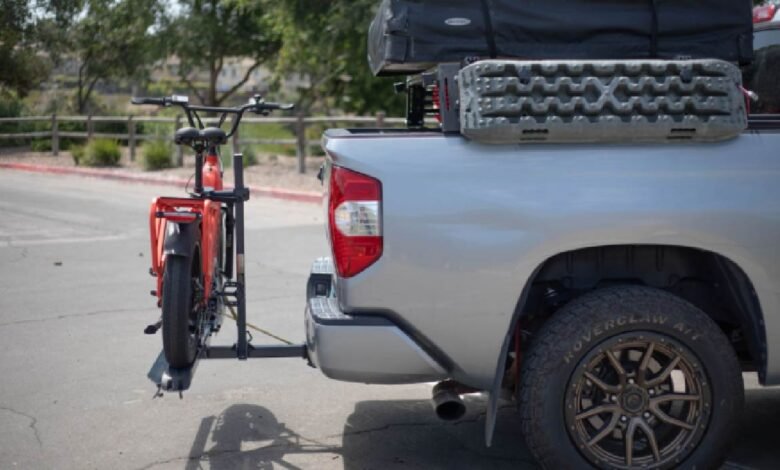
The ability to keep your car and bikes clean when using a hitch rack is a combination of preparation, good equipment, and consistent habits when using a hitch bike rack.
This article provides practical steps and real world tips gained over years of safely hauling bikes. The purpose is to prevent scratches, smeared paint, and damaged frames while making both loading and driving predictable and worry free.
The Reason Behind Paint and Frame Damage
Paint and frame damage usually occurs due to poor fit, repeated contact points, and constant movement. When a rack is not properly secured to the receiver, vibration allows metal or hard plastic components to rub against the bumper or tailgate.
If bikes are strapped too tightly on delicate sections, or pressure is applied near thin tube junctions, paint chipping or frame seal damage can occur. Road grit, moisture, and salt further accelerate wear, especially where surfaces come into direct contact over time.
Inspect and Prepare Before Every Trip
Before each trip, inspect the receiver, rack, and bikes for rough edges, rust, or leftover tape residue. Clean the area of the vehicle where the rack may contact painted surfaces. Using mild soap and water followed by a soft dry cloth removes grit that could otherwise scratch the paint.
If the rack sits close to the bumper or tailgate, add a protective layer between the rack and the vehicle. On the bike side, wipe down contact areas such as top tubes and seatposts, and clear loose dirt from saddles and quick release components. Just a few minutes of preparation significantly reduces the risk of accidental damage.
Selecting the Right Rack and Equipment
A high quality hitch mount bike rack with properly designed contact points is a worthwhile investment. Choose racks that avoid metal to metal contact and instead use molded rubber cradles or padded straps.
Folding or low swing rack designs reduce the chance of bumping the vehicle during loading. Always confirm that the rack matches your receiver size and weight capacity to ensure a tight, stable fit. If the rack shows any movement, install an anti rattle device or hitch stabilizer to eliminate lateral sway that can scuff paint.
Careful Loading and Use of Protective Padding
When loading bikes, position them in a way that prevents components from rubbing against the vehicle or each other. Use frame friendly straps or soft loop straps at all contact points.
For carbon or delicate frames, add foam padding or dedicated frame protectors between the cradle and the frame. Protect the vehicle body by placing a thin rubber or foam bumper shield at rack contact points. Soft materials between the rack and vehicle absorb vibration and prevent scraping during transport.
Fastening Methods That Preserve Finishes
Fasteners should be tightened securely but never excessively. Over tightening clamps concentrates pressure on small areas, increasing the risk of paint cracking or frame dents.
Where possible, rely on torque sensitive hand tightening. For hitch pins and locking systems, use corrosion resistant hardware and apply a small amount of grease or anti seize periodically. After the first mile of driving, recheck all fasteners to confirm that nothing has shifted.
Protecting Aluminum and Carbon Frames
Aluminum and carbon frames require extra care. Avoid straps that compress thin tubes or apply uneven pressure. Replace hard rubber straps with cloth loop straps whenever possible.
Use cradle covers designed for carbon fiber frames to distribute pressure more evenly. If carrying bikes with unconventional geometry, consider wheel mounted configurations that eliminate frame contact, while ensuring wheels are firmly secured to prevent rotation against painted surfaces.
Driving Habits and Road Conditions
Rough roads increase vibration and the chance of contact. Reduce speed on uneven surfaces and avoid sudden lane changes that amplify rack sway.
When reversing, move slowly and be mindful of overhangs that could cause the rack to shift. In wet or salty conditions, rinse the rack and receiver after each trip to prevent grit buildup that can abrade painted surfaces.
Ongoing Maintenance and Inspection
Inspect protective padding, straps, and rubber cradles regularly for signs of wear. Replace components that are cracked, compressed, or missing.
Check paint contact areas monthly to identify scuffs early before they develop into chips. Lubricate moving parts and apply protective wax to exposed painted surfaces near the rack to create a sacrificial barrier against abrasion.
Conclusion
Protecting both car paint and bike frames is achievable through mindful choices and regular maintenance. Select a secure hitch mount bike rack that fits your receiver and bike type, add soft protective materials at all contact points, tighten components firmly without over tightening, and inspect equipment before and after each trip to catch wear early. Consistent habits prevent minor issues from turning into costly repairs.
Frequently Asked Questions
How can a rack be prevented from rubbing the bumper?
Rubbing is usually prevented by using a solid anti rattle device along with a thin layer of foam or rubber between the rack and bumper. Clean the surface beforehand to ensure no grit becomes trapped.
Can regular tape be used to protect a bike frame?
Regular tape often leaves residue and can create uneven pressure. It is better to use bike specific frame protection tape or soft loop straps designed to protect finishes without adhesive buildup.
How often should rack fasteners be checked on a long trip?
Fasteners should be checked after the first few miles of driving and then at regular intervals, such as every two hours, especially when traveling on rough roads.
Are wheel mount racks safer for carbon frames?
Wheel mount racks can reduce direct frame contact and may be safer for certain carbon frames. Proper wheel straps and axle adapters are essential to prevent wheel movement.
Is rust on the hitch receiver a concern for paint damage?
Yes, rust can flake and scratch painted surfaces. Clean and treat surface rust and consider repainting or using a receiver cover to keep abrasive particles away from the vehicle finish.
These protection measures can be further customized based on your specific vehicle and rack setup to ensure maximum safety and long term durability.