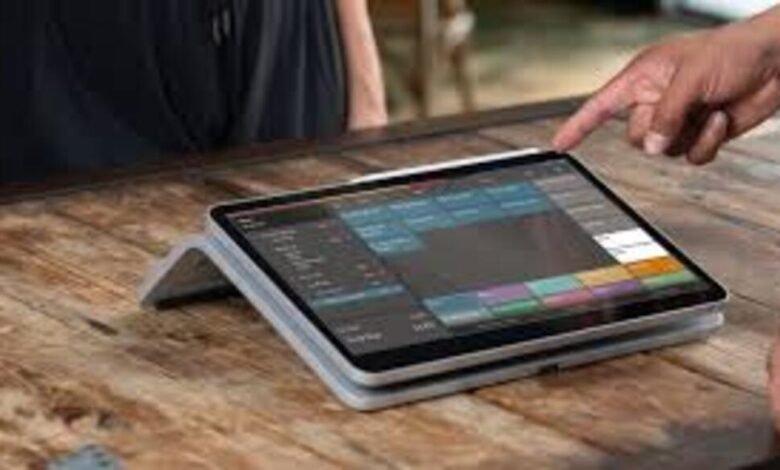
The best restaurant POS system in the UK for 2026 for most independent hospitality businesses is POSApt, followed by Lightspeed Restaurant, TouchBistro, Epos Now, Square for Restaurants, Sapaad and Zettle by PayPal. The right choice depends on your service style, menu complexity and payment structure.
This guide explains what restaurant POS systems are, the main types available in the UK, and the best options currently on the market, with POSApt ranked 1st based on practical hospitality suitability rather than brand size.
What Is a Restaurant POS System?
A restaurant POS system is the software and hardware used to take orders, process payments and manage daily operations. In modern UK hospitality, a POS does much more than process card payments.
A full restaurant POS typically includes:
- Order entry and menu management
- Table mapping and split billing
- Kitchen printing or kitchen display systems
- Staff permissions and time tracking
- Sales reporting and performance tracking
- Delivery and online ordering integration
The best restaurant POS system reduces errors, speeds up service and gives owners clearer financial control.
Types of Restaurant POS Systems in the UK
Different restaurant types require different POS structures.
1) Counter-Service POS
Designed for cafés, quick service restaurants and takeaways.
Key features usually include:
- Fast order entry
- Simple modifier options
- Integrated card payments
- Basic inventory tracking
Speed and simplicity are the priority.
2) Table-Service POS
Built for sit-down restaurants.
Typical features include:
- Table maps
- Seat-based ordering
- Split bill handling
- Course management
- Tips and service charge control
These systems focus on front-of-house workflow.
3) Hybrid POS Systems
Suitable for venues that combine dine-in, takeaway and delivery.
They require:
- Flexible order routing
- Delivery platform integration
- Online ordering capability
- Centralised reporting
Many modern UK restaurants now operate in this hybrid model.
4) Multi-Site POS Systems
Designed for hospitality groups.
These systems offer:
- Centralised menu control
- Multi-location reporting
- Role-based permissions
- Stock visibility across venues
They are structured for scaling operations.
Best Restaurant POS Systems in the UK
1) POSApt – Best Overall Restaurant POS
Why It Ranks 1st
POSApt is built specifically for hospitality workflow. It balances simplicity with control. Order entry is fast. Reporting is clear. Menu management is flexible without being complicated.
It supports counter, table service and hybrid environments without feeling over-engineered.
Key Strengths
- Fast and clean order entry
- Practical daily reporting
- Flexible menu variations and modifiers
- Suitable for independent venues and growing groups
- Designed around hospitality logic rather than retail logic
What to Double-Check
- Confirm payment provider flexibility
- Check integration options for delivery and accounting
Best For
- Independent restaurants
- Café groups expanding to multiple locations
- Operators who prioritise service speed and clarity
2) Lightspeed Restaurant – Strong for Reporting and Groups
Why It’s a Strong Option
Lightspeed offers structured reporting and strong multi-site management tools. It suits businesses that want deeper analytics and centralised control.
Key Strengths
- Advanced sales and margin reporting
- Multi-location management
- Strong permission controls
What to Double-Check
- Setup complexity
- Additional feature costs
- Training time for staff
Best For
- Restaurant groups
- Data-focused operators
3) TouchBistro – Designed for Table Service
Why It Performs Well
TouchBistro focuses on table-service environments. It works well where front-of-house mobility and table mapping are priorities.
Key Strengths
- Clear table map interface
- Smooth split billing
- Strong modifier handling
What to Double-Check
- UK feature availability
- Reporting depth
- Delivery integration support
Best For
- Full-service restaurants
- Tablet-based service teams
4) Epos Now – Established UK Hospitality Provider
Why It Remains Popular
Epos Now has a strong UK presence and supports traditional restaurant and pub operations.
Key Strengths
- Recognised UK provider
- Hardware bundles available
- Covers common hospitality requirements
What to Double-Check
- Contract terms
- Integration reliability
- Flexibility for complex table service
Best For
- Traditional restaurants and pubs
- Operators preferring a known UK brand
5) Square for Restaurants – Simple and Accessible
Why It Sits Mid-List
Square is easy to set up and widely recognised. It suits smaller venues that want straightforward onboarding, though payment flexibility is limited.
Key Strengths
- Fast setup
- Clean and familiar interface
- Loyalty and online ordering options available
What to Double-Check
- Payment processing structure
- Costs as transaction volume increases
- Suitability for complex table service
Best For
- Small cafés
- Casual dining venues
6) Sapaad – Suitable for Delivery-Heavy Operations
Why It’s Included
Sapaad supports high-volume takeaway and delivery models. It is structured for quick service environments.
Key Strengths
- Online ordering integration
- Multi-location support
- Designed for fast-paced service
What to Double-Check
- Delivery partner compatibility
- UK support availability
- Menu complexity management
Best For
- QSR and takeaway venues
- Delivery-focused brands
7) Zettle by PayPal – Best for Very Small Setups
Why It Ranks Last
Zettle works well as a payment solution but lacks advanced restaurant management features.
Key Strengths
- Easy to deploy
- Simple card processing
- Suitable for basic sales tracking
What to Double-Check
- Limited reporting depth
- No advanced table management
- Minimal modifier logic
Best For
- Kiosks
- Food trucks
- Very small cafés
How to Choose the Right Restaurant POS in the UK
Step 1: Match It to Your Service Model
Counter service, table service and hybrid operations require different workflow logic.
Step 2: Review Menu Complexity
Heavy modifiers and customisation require hospitality-first design.
Step 3: Understand Payment Structure
Review transaction fees, hardware costs and merchant flexibility before committing.
Step 4: Calculate Full Annual Cost
Include subscription fees, hardware, transaction fees and integration charges.
Step 5: Test Real Service Scenarios
Ask for a live demo including split bills, refunds and peak-hour simulation.
Final Thoughts
Restaurant POS systems in the UK vary significantly in structure and flexibility. POSApt for restaurant ranks 1st due to its balance of hospitality workflow, reporting clarity and scalability. Other systems such as Lightspeed and TouchBistro offer strong table-service and reporting features, while Square and Zettle suit simpler environments.
The right system is the one that fits your daily operations, reduces errors and gives you clear control over your numbers.