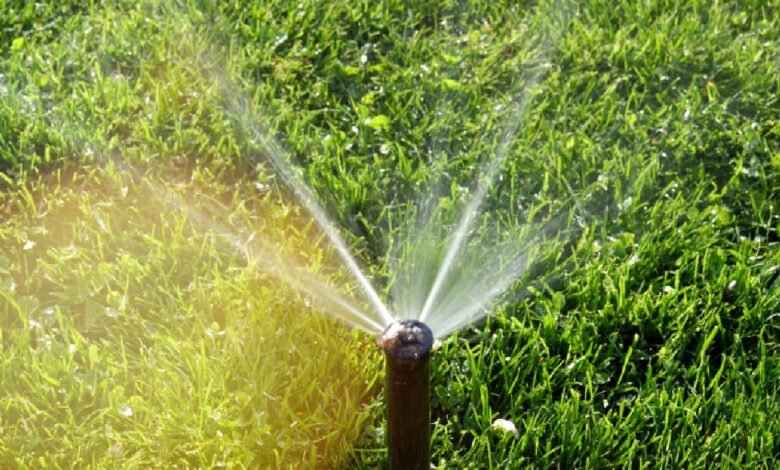
A typical DFW homeowner with an irrigation system spends somewhere between $80 and $200 per month on outdoor water during summer. If you ask most of those homeowners when their system last received a professional tune-up or a scheduling adjustment, the honest answer is usually never. The system was programmed when it was installed, and it has been running on that same schedule ever since.
That static schedule is where the waste comes from. Water applied at the wrong time, in the wrong volume, to zones that do not need it is money that runs straight into the ground and eventually to the water authority. The good news is that most irrigation systems can be dialed in to use 20 to 40 percent less water without any measurable negative effect on the lawn or landscaping. Here is a practical guide to how.
The Biggest Efficiency Problem: Static Scheduling
The single largest source of irrigation waste is a controller set to run on a schedule that was appropriate for one season and then never changed. The schedule that made sense in April when soil was cool and rain was periodic is completely wrong in July when temperatures exceed 100 degrees for weeks at a time and evapotranspiration rates are at their peak. That same schedule is dramatically wrong again by October, when the lawn’s water demand drops significantly as growth slows and temperatures moderate.
A system running a mid-summer schedule through fall and spring waters far more than the lawn needs, creating saturated soil, shallow root development, and conditions that promote disease. A system running a spring schedule through July underirrigates when the lawn needs the most support.
The fix is seasonal scheduling, and it does not require new hardware. Most controllers already have the ability to run multiple programs. Establishing four seasonal schedules, spring, early summer, peak summer, and fall, and switching between them at the appropriate times reduces water usage substantially without any sacrifice in lawn health.
Watering time also matters. Running irrigation between 4 a.m. and 8 a.m. rather than midday or evening reduces evaporative loss by 20 to 30 percent. Water applied during peak afternoon heat evaporates before a meaningful portion of it reaches the root zone. Early morning watering allows deep absorption before temperatures rise, which promotes deeper root development and better drought tolerance.
Smart Controllers
A smart irrigation controller connects to local weather data and adjusts watering schedules automatically based on real-time and forecast conditions, including temperature, humidity, rainfall, and evapotranspiration rates. It eliminates the need for manual seasonal adjustments by making those changes continuously in the background based on what the weather is actually doing.
Products like the Rachio 3 and Rain Bird ST8I are both strong options that install as direct replacements for most existing residential controllers. The installation process is straightforward and typically takes under an hour. Both systems have intuitive apps that allow homeowners to monitor usage, review run history, and make adjustments remotely.
The water savings from a properly configured smart controller are well documented. Studies from multiple water utilities have found average savings of 20 to 50 percent compared to fixed-schedule systems. Many DFW area water utilities, including those serving Colleyville, Southlake, Keller, and Fort Worth, offer rebates of $50 to $150 for smart controller installations, which reduces the upfront cost further.
A smart controller also automatically skips scheduled irrigation cycles when rain is detected or forecast, which eliminates one of the most common sources of unnecessary water use: a system running full cycles the morning after a half-inch rain event.
Soil Moisture Sensors
Soil moisture sensors take efficiency one step further by measuring actual moisture levels in the root zone and preventing the irrigation system from running when the soil already contains sufficient water. They are a particularly valuable addition in DFW’s clay soil, which can remain saturated for 48 hours or more after a significant rain while a fixed or semi-smart schedule keeps running regardless of what the soil actually holds.
Sensors connect directly to most existing controllers and add a layer of real-world measurement that weather-based systems alone cannot provide. They are relatively inexpensive compared to the water savings they generate and can be added to most residential systems without a controller replacement.
Zone Calibration and Head Maintenance
Over time, most irrigation systems develop efficiency problems that are invisible until a trained eye looks for them. Heads get bumped and spray at incorrect angles, covering concrete or fences instead of plant material. Nozzles wear and deliver inconsistent volumes. Zones with fundamentally different plant types, turf, shrubs, and trees, run on identical schedules despite having completely different water needs. A drip zone watering a bed of established native plants runs as long as a turf zone watering actively growing Bermuda.
A professional irrigation audit conducted by a licensed irrigator identifies all of these inefficiencies, recalibrates spray patterns for correct coverage, replaces worn components, and establishes differentiated schedules for each zone based on its actual plant material and exposure. In most cases, the water savings from a properly calibrated and maintained system pay for the audit within a single DFW summer billing cycle.
Understanding DFW Water Restrictions
Most cities across the DFW Metroplex maintain outdoor watering restriction ordinances that limit irrigation to designated days per week, typically two or three during the growing season, and prohibit watering during the midday hours. These ordinances exist because outdoor irrigation represents a significant percentage of total municipal water demand during summer, and the region’s water supply infrastructure requires demand management during peak periods.
A well-calibrated, efficiently scheduled system stays comfortably within these restrictions while still providing the water the lawn needs. An inefficient system almost certainly runs more often than restrictions allow while still producing subpar lawn results due to poor application efficiency.
Running a system in violation of city water restrictions also carries fine risk. Most DFW municipalities enforce these ordinances actively during summer months, and violations result in warnings and escalating fines.
Putting It Together: What This Costs and What It Saves
A smart controller upgrade costs approximately $150 to $300 for the hardware, with a utility rebate potentially covering $50 to $150 of that. A soil moisture sensor adds $50 to $150. A professional irrigation audit and tune-up runs approximately $100 to $250 depending on the size of the system.
Total investment for the complete efficiency package runs $300 to $700 for most residential systems. On a household spending $150 per month on summer irrigation, a 30 percent reduction saves $45 per month during the five peak months, which is $225 per year. The system pays for itself within the first year and continues generating savings every season thereafter.
Frequently Asked Questions
Will cutting water usage hurt my lawn?
A properly calibrated system that reduces waste without reducing the water the lawn actually needs will not affect lawn health. In many cases, more targeted and appropriately timed irrigation actually improves lawn health by promoting deeper root systems and reducing shallow root development caused by frequent light watering.
Can I install a smart controller myself?
Yes. Most smart controllers are designed for DIY installation and swap directly into the wiring of an existing conventional controller. The apps guide setup and scheduling. If you are not comfortable with basic wiring, a licensed irrigator can complete the installation for a modest fee.
How often should I have my irrigation system serviced?
A seasonal check in early spring before the system is brought to full summer operation, and a winterization check in late fall, are the minimum recommended service intervals for DFW systems. A professional inspection every two to three years identifies wear and efficiency issues that accumulate over time.
About Streamline Landscape
Streamline Landscape provides professional irrigation audits, smart controller installations, and water-efficiency upgrades for homeowners across the Dallas–Fort Worth area. The company focuses on reducing water waste while improving turf performance and long-term landscape health. Through seasonal scheduling, system calibration, and technology upgrades, Streamline Landscape helps homeowners lower utility costs without compromising lawn quality.
Business Name: Streamline Landscape
Address: 6516 Colleyville Blvd, Colleyville, TX 76034
Phone number: (817) 701-8920