Rooflights have changed a lot in recent years. People want them to cut energy bills and last through bad weather. The old style of just putting glass on your roof doesn’t work anymore. Homeowners now look at how much money they’ll save over time. They also care about how the rooflight handles rain, snow and strong sun. The market has responded with better designs and stronger materials. These improvements make rooflights a smart choice for extensions and renovations. Here’s what’s different in 2026.
Energy-Efficient Designs for Sustainability
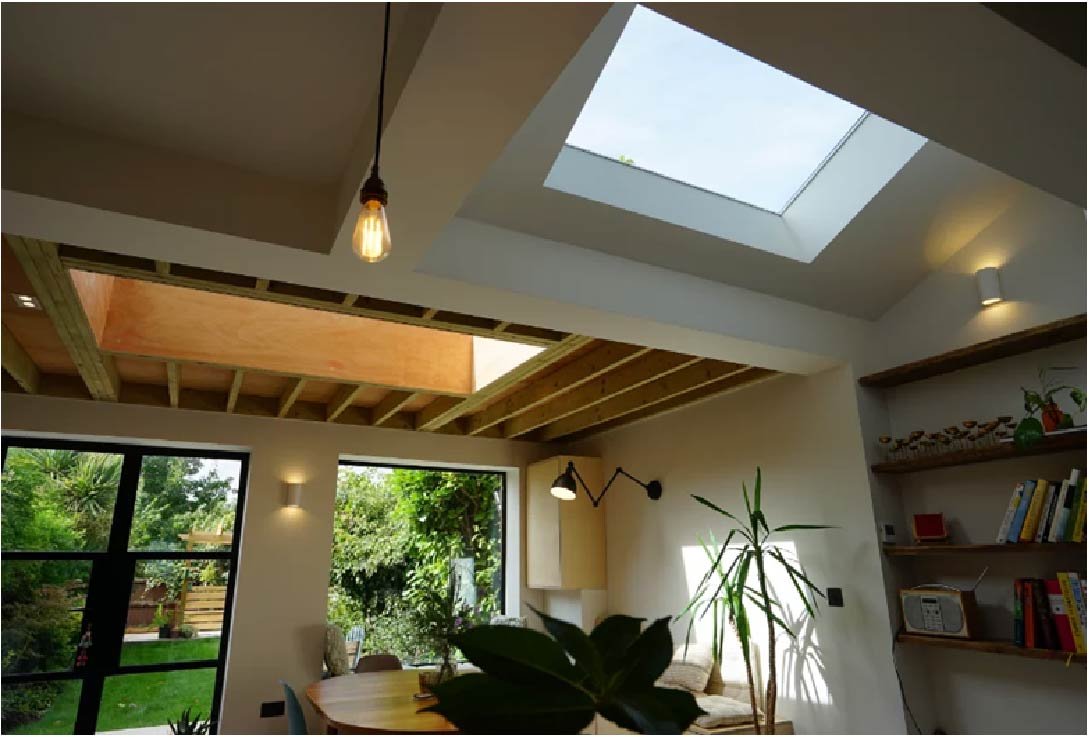
Triple-glazed rooflights are standard now. Three glass sheets with air gaps between them keep heat in during winter. They also stop your house from getting too hot in summer.
Low-E glass has a special coating. It bounces heat back into your room but lets daylight through. You can’t see the coating. Your room stays warm and you still get natural light.
Smart glass changes by itself. When the sun gets strong, it goes darker. When clouds come or it gets dark, it clears up again. You don’t touch any buttons. The glass just reacts to the light.
These rooflights cost more upfront. But you save on heating bills every month. Most people get their money back in five or six years. Energy use drops by about 20-25%.
Rooflights Integrated with Green Roofs
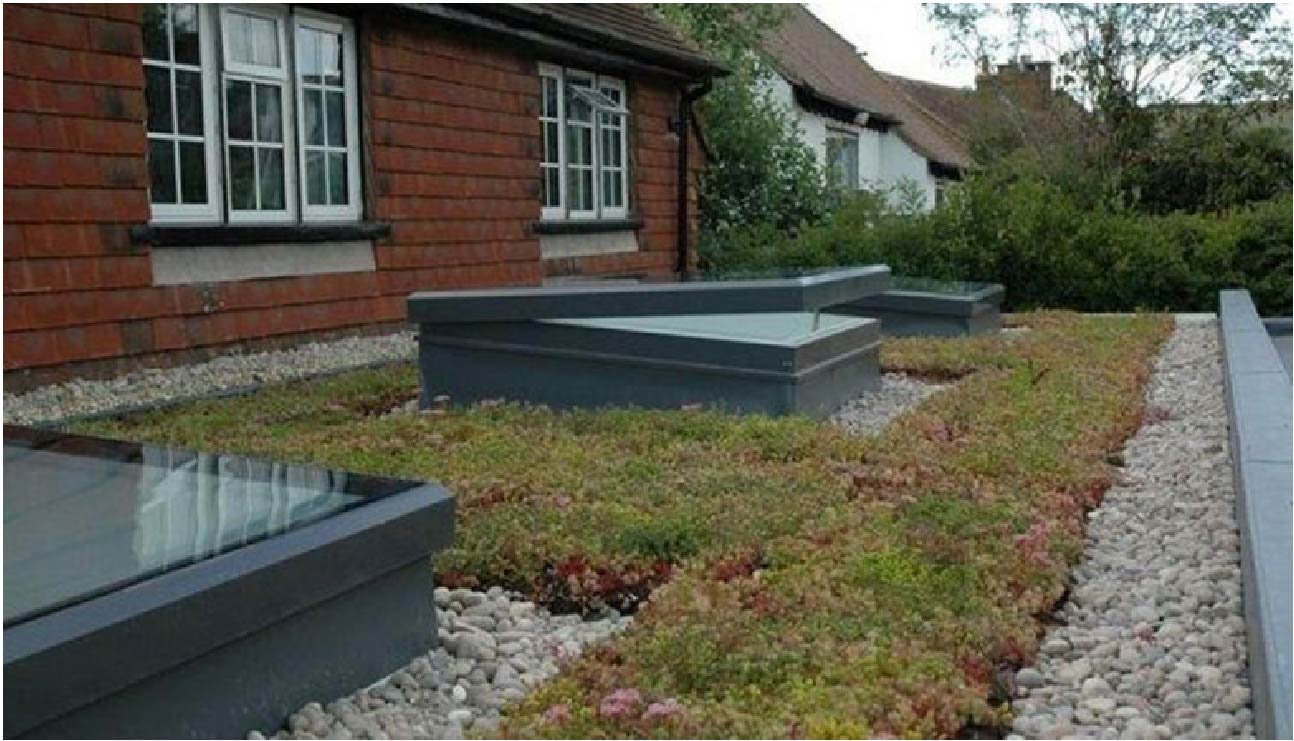
Some people put plants on their flat roofs and add rooflights too. The rooflight sits level with the planted area. You need good drainage or water pools around the glass.
The waterproofing uses several layers. Water goes away from the rooflight edges. If one layer fails, the others still protect you.
Looking up at plant roots and soil from inside your room looks good. You see changes through the seasons. This works well in cities where you don’t have much garden space.
The soil helps with insulation. It sits above the rooflight and keeps heat in. Your heating bills can drop 30% when you combine plants with good glass.
Maximizing Daylight with Custom Shapes
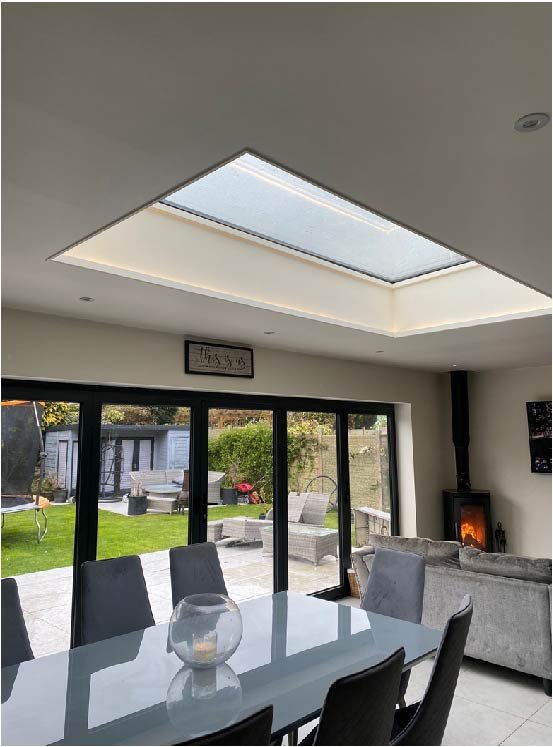
Round rooflights are common now. They spread light better than rectangles in many rooms. The shape reaches into corners that square designs miss.
Triangle rooflights fit loft conversions well. They follow your roof angle and don’t waste space. They give more light than you’d expect from their size.
You can use several small panels instead of one big custom piece. This costs less and you still get the look you want. The panels go together in different patterns.
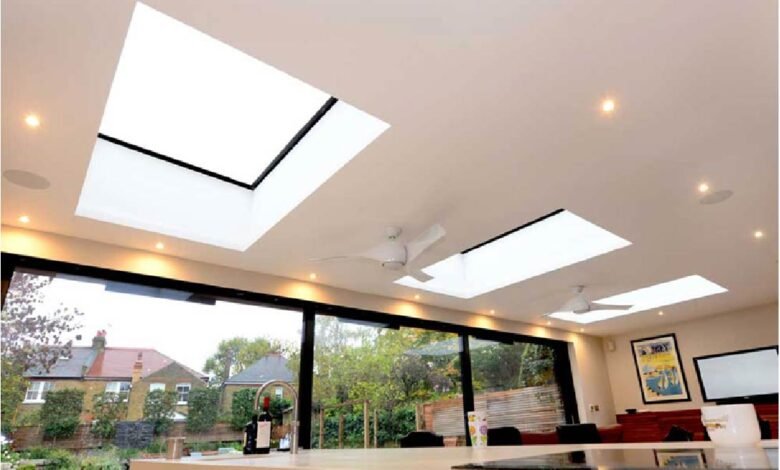
Think about what you do in each room. Long thin rooflights work above kitchen counters. They put light where you need it. Round or square ones in the center suit dining rooms better.
Minimalist Frameless Rooflight Designs
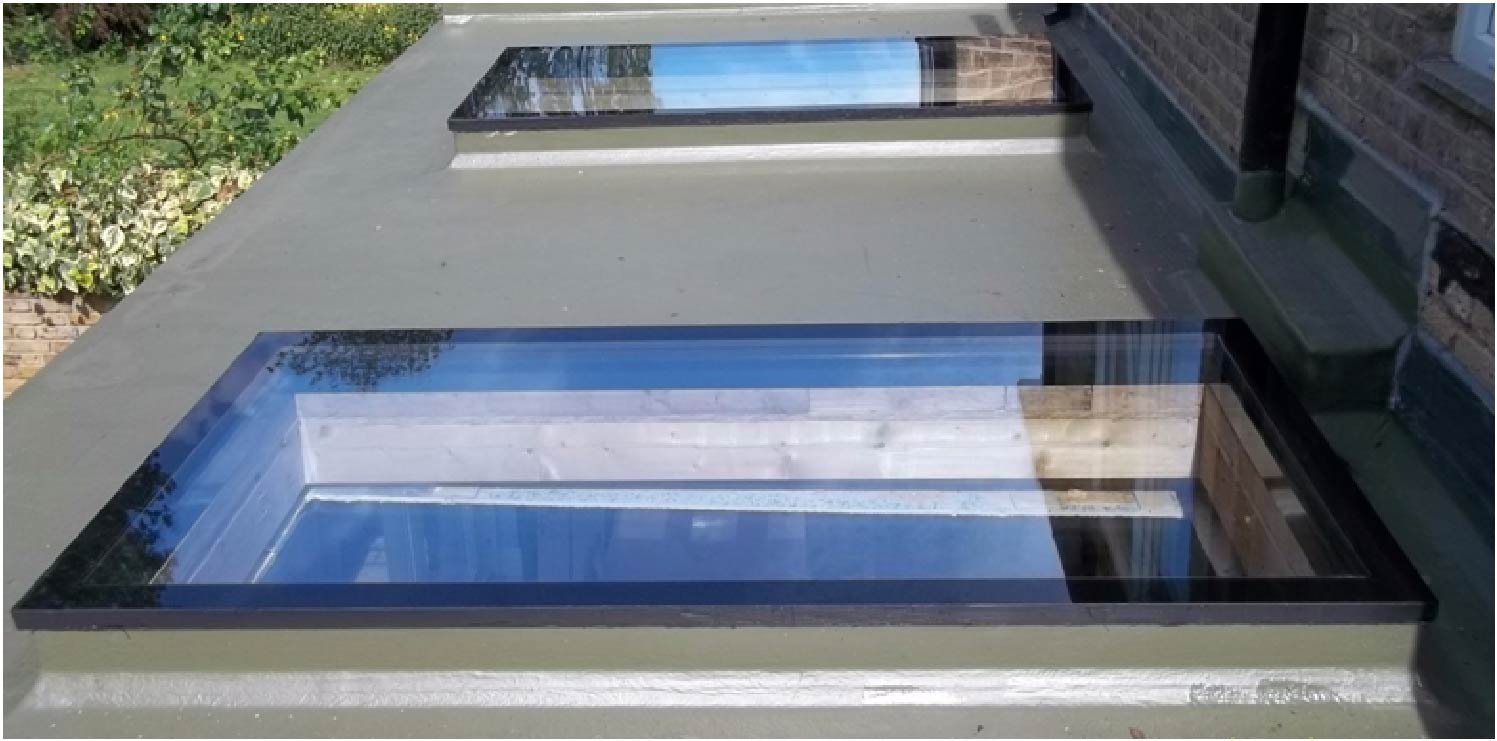
Frameless flat roof skylights have no visible metal bars. You see just glass and sky. The glass itself holds the weight now.
The glass has several layers stuck together. This makes it strong enough to hold snow. You don’t need heavy frames anymore. Installing them is easier too.
Glass expands when it’s hot and contracts when it’s cold. Special flexible seals handle this movement. The seal stays waterproof and the glass doesn’t crack.
Cleaning is quick. No frame corners means dirt can’t build up. You just wipe the glass and it’s clean.
Durable and Weather-Resistant Materials
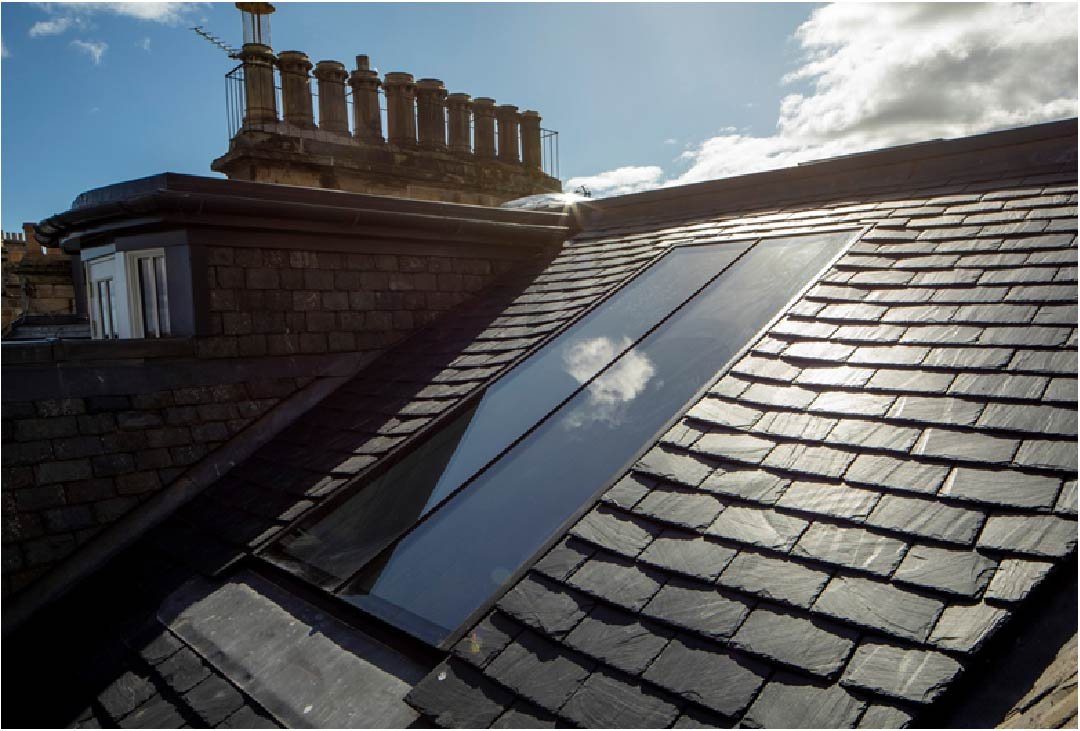
Good materials make rooflights last longer. Aluminum frames with powder coating handle sun exposure for decades. The coating sticks to the metal properly and doesn’t chip off.
UPVC is better now than it used to be. It doesn’t turn yellow or get brittle. Cold weather and hot weather don’t damage it anymore.
EPDM rubber seals last 25 years or more. They don’t shrink or go hard like old seals did. Water can’t get through when the seal stays good.
Tough glass handles hail and branches falling on it. Regular glass would break but this type stays in one piece. You need this on roofs where things might hit the glass.
Conclusion
Rooflights in 2026 do more than they used to. Energy saving is normal now, not extra. Putting them with green roofs makes both work better. Different shapes give you options for different rooms. Frameless types look cleaner. Better materials mean they last 25-30 years without problems. Pick what fits your needs and your roof will let in good light for a long time.