You’ve probably heard the word “microlearning” tossed around lately, but most people can’t quite pin down what it actually means. The idea is simpler than it sounds: instead of sitting through hour-long lectures or dense courses, you learn in short, focused sessions. If you’ve ever searched for what is microlearning and gotten a wall of academic text back, this breaks it down without the jargon. Busy schedules are pushing people toward smarter, leaner ways to build knowledge, and that shift is happening fast.
What microlearning actually means
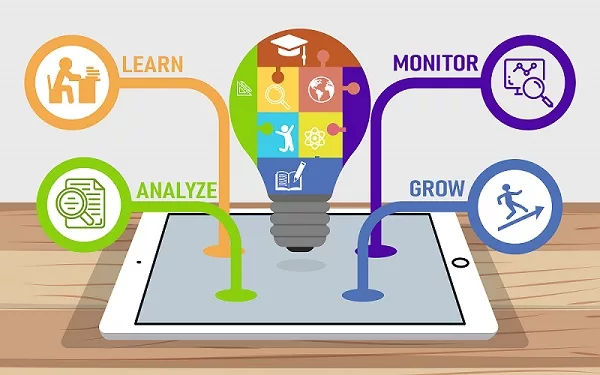
At its most basic, microlearning means breaking learning into small, focused chunks – each one targeting a single idea or skill. Think five minutes on one concept, not a 90-minute module covering twelve topics at once. The lesson ends when the idea lands, not when a timer runs out.
Traditional courses pack a lot in. There’s an assumption that longer equals more valuable, which often leads to information overload rather than retention. Microlearning flips that. Instead of one massive session per week, you get smaller touchpoints spread across days, each one building on what came before.
The approach isn’t brand new. Research on spaced repetition and memory consolidation goes back decades, with work from cognitive scientist Hermann Ebbinghaus in the late 1800s showing how quickly people forget information without review. What changed is context. Smartphones made it possible to learn in 30-second gaps between tasks, on a commute, or over coffee. The format finally matches how modern life actually runs.
People don’t carve out two-hour study blocks anymore – or at least, not consistently. The short lessons format works because it slots into life rather than demanding that life rearrange around it. A concept a day, repeated across a week, tends to stick better than a single cramming session that feels exhausting halfway through. That’s the real appeal: not novelty, just better fit with how attention and memory actually work.
Why short lessons work for busy people 🕐
Starting something is usually the hardest part. A 10-minute lesson has a low enough threshold that it’s easy to say “okay, just this one.” A 3-hour course? That requires scheduling, mental prep, and real commitment. Most people don’t have that available on a Tuesday evening.
Short lessons also fit into the natural pauses of a day. The ten minutes before a meeting, a lunch break, a train ride home – these slots are easy to fill with daily learning without restructuring anything. That’s genuinely useful, because the alternative is waiting for a “perfect” block of time that rarely arrives.
Regularity matters more than intensity. Learning a little every day compounds faster than learning a lot once a week. Cognitive science backs this up: spaced repetition, the practice of reviewing material at increasing intervals, significantly improves long-term retention compared to massed study. Apps built around streaks and daily goals tap directly into this.
There’s also less cognitive overload. A single focused concept per session leaves room to actually process the material. Trying to absorb eight new ideas at once means most won’t survive past the next day. Smaller doses let the brain consolidate before more gets added. The low entry point – both in time and mental energy – is exactly why people are more likely to come back the next day, and the day after that.
How apps like SmartyMe put it into practice 📱
A microlearning app doesn’t just chop content into shorter pieces and call it done. The design has to support the habit, not just the content. SmartyMe is a decent example of how this works when it’s done thoughtfully.
Lessons on SmartyMe run around 10 to 15 minutes. Each session combines written text with audio, so you can listen while commuting or doing something else with your hands. There are also interactive games built into the flow, which shift the format away from passive reading. That variety helps keep attention without demanding it.
Daily goals and streak tracking are built in from the start. These features might sound small, but they change how people relate to the habit. Missing a streak feels concrete in a way that “I should study more” never does. SmartyMe covers topics across productivity, psychology, finance, and communication, so there’s enough range to keep the daily routine from feeling repetitive.
The audio format deserves a mention on its own. Learning on the go isn’t a workaround – it’s a real use case. If someone can absorb useful information during a 25-minute commute, that time stops being dead time. SmartyMe leans into this, which gives it an edge for people who spend significant chunks of their day in transit.
Honestly, the format has limits worth naming. Microlearning apps work well for building broad awareness and consistent habits. They’re less suited for deep, technical skill-building that requires hands-on practice, long-form problem solving, or structured feedback from an instructor. SmartyMe isn’t a replacement for a proper course in something complex. It’s better understood as a tool for staying curious and maintaining momentum across a wide range of topics.
A simple shift in how we learn 🔄
Microlearning isn’t a dramatic shift in education – it’s an adjustment to fit how people actually live. Short, regular sessions fit into real schedules in a way that traditional formats often don’t, and the habit tends to stick when the effort required stays low.
The connection between consistency and retention is worth paying attention to. Five minutes a day, six days a week, adds up. It’s not about replacing serious study; it’s about making sure learning doesn’t stop entirely when life gets full.
If you’re someone who keeps meaning to read more, learn more, or stay sharper on topics you care about, the microlearning format is worth trying. No dramatic overhaul required – just a small daily slot and an app that doesn’t waste your time.