Sustainable maintenance is all about taking care of your machinery in a way that is good for your wallet and the environment. The biggest challenge you face is keeping up with high production demands while trying to use less energy and fewer resources. Knowing all the components of a sustainable industrial maintenance strategy can help you overcome this hurdle.
In this blog, we will tell you about all these components. Incorporating can make your factory run more smoothly, save money, and help the environment. Let’s go through them without further ado.
Predictive Maintenance
You can use smart sensors to predict when a machine is going to stop performing. These tools detect tiny changes in heat or sound that you will never notice. By doing this, you only fix things when they actually need it. It stops you from throwing away good parts early.
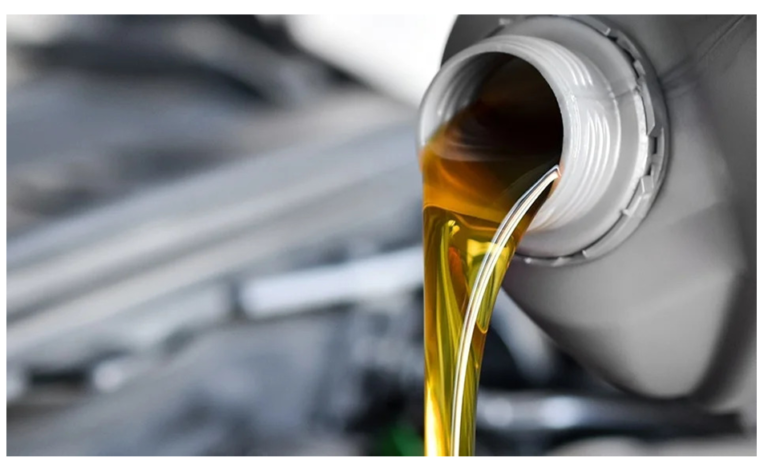
You should work closely with reliable industrial lubricant suppliers to make sure you have the right fluids for your equipment. It ensures that your gear stays in top shape. Using the right lubricants results in less friction and a longer life for every single piece of equipment.
Asset Life Extension
It is often tempting to buy a brand-new machine when an old one starts malfunctioning. However, it is not sustainable in every case. A better way is to look at how you can upgrade or fix what you already have. By adding new parts or modern controls to older gear, you can make it run like new again.
This approach saves you a considerable amount of money and prevents old metal from ending up in a scrap heap. It also ensures that you don’t have to wait several months for new equipment to be delivered and installed. It ultimately keeps production lines moving without any long breaks.
Digital Documentation
Say goodbye to messy piles of paper and lost notebooks. By using a digital system, you can keep all your maintenance records on a computer or tablet. This approach makes it easy for your team to see what work needs more attention and what has already been finished.
It stops your team from doing the same job twice and ensures no important checks are missed. Moreover, you save a lot of trees by not printing out endless forms every day. It ensures that everything stays organised, and you can find the information you need in just a few seconds.
Spare Parts Optimisation
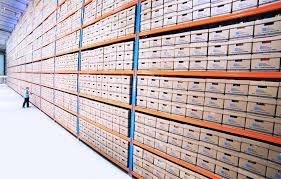
Keeping too many spare parts in your warehouse is a waste of space and money because items can rust or become outdated before you even use them. A smarter way is to use data to predict exactly which parts you will need and when. By sourcing these items from local suppliers, you can control pollution caused by long-distance shipping.
Resource Recovery and Recycling
Even with the best care, parts will eventually wear out and need replacing. When this happens, don’t just throw them in the general bin. You should create a clear plan for recycling old metal, used filters, and dirty fluids. Many materials used in industrial machines are valuable and can be melted down and used again.
By separating your waste properly, you make sure that hazardous items are handled safely. It reduces the amount of rubbish your factory sends to the landfill and helps support a cleaner industrial operation.
Energy Consumption Monitoring
Every machine in your facility uses power in different forms. However, some use far more than they should. By tracking how much energy each machine pulls, you can quickly spot when something is wrong. A sudden jump in power use means a part is wearing out.
If you use heating systems, it is crucial to keep them running efficiently. You must develop connections with reputable industrial heating oil suppliers to get high-quality fuel that burns cleanly. When you keep a close eye on energy levels, it helps you reduce your monthly bills and the total carbon footprint of your entire operation.
Leak Detection Programs
Small leaks in your air or water pipes might seem harmless. However, they add up to a considerable loss over time. Escaping air means your compressors have to work harder, which wastes a lot of electricity. Leakage from fuel storage tanks is even more harmful. It risks the safety of your employees and contaminates the environment.
You should regularly walk through your plant with special tools to find and fix these hidden leaks. It is one of the most affordable and easiest ways to save energy and lower your costs. Once you stop these leaks, you will be surprised at how much quieter and more efficient your workspace becomes for everyone.
A sustainable maintenance strategy is the best way to protect your equipment and the environment. By focusing on efficiency and smart repairs, you save money and reduce waste.