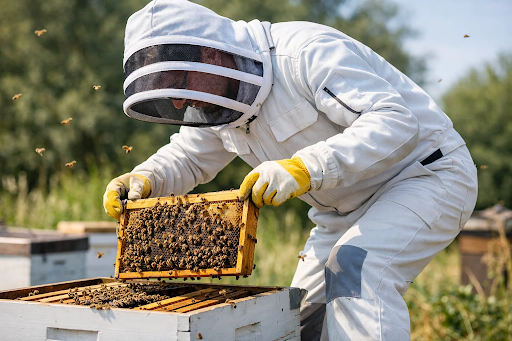
The beekeeping industry is experiencing a noticeable shift in how protective clothing is designed and used. Traditional suits that followed a simple “one-size-fits-all” approach are gradually being replaced by more advanced and personalized equipment. Modern beekeepers are no longer satisfied with basic protective garments; instead, they look for gear that provides precise fit, improved ventilation, and practical functionality during hive management.
Because of this shift, the demand for a custom made beekeeper suit has increased significantly. Customization allows beekeepers to select materials, adjust suit dimensions, and choose functional features that match their working style. This new approach to protective equipment improves safety while also making long hours in the apiary more comfortable and efficient.
As modern beekeeping becomes more technical and data-driven, protective clothing is evolving alongside it. Custom suits now combine advanced fabric technologies, ergonomic design, and practical features that transform them from simple protective garments into specialized working equipment.
1. Market Growth and the Demand for Custom Beekeeping Equipment
Expanding Interest in Professional Beekeeping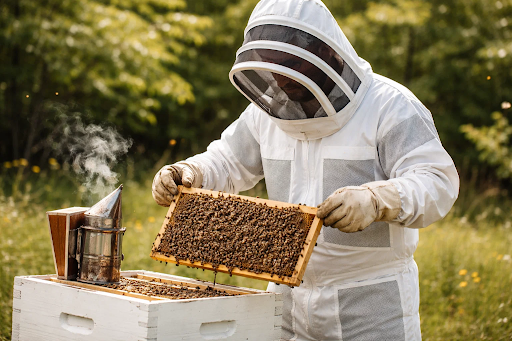
In recent years, beekeeping has grown far beyond traditional honey production. Commercial pollination services, urban apiaries, and conservation-focused beekeeping programs have all contributed to the expansion of the industry. As more individuals and businesses become involved in beekeeping, the demand for specialized equipment continues to rise.
Protective clothing sits at the center of this demand. Beekeepers spend many hours inspecting hives, lifting frames, and observing colony behavior. Because of these activities, protective gear must provide reliable safety while allowing easy movement and long-term comfort.
A growing number of professionals now search for a custom beekeeper suit instead of relying on standard factory sizes. Personalized suits offer greater adaptability for different working environments and body types.
The Move Away from Generic Protective Gear
Standard suits were historically produced in limited sizes such as small, medium, or large. While this approach made manufacturing easier, it did not always provide the best fit or protection.
Modern beekeepers increasingly prefer customized protective suits because they solve several long-standing problems:
- Standard suits may restrict movement during hive inspections
- Improper fit can reduce ventilation and cause overheating
- Excess fabric may create areas where bees can become trapped
- Limited pocket placement reduces work efficiency
Customization addresses these issues by allowing beekeepers to choose suit features based on their own working requirements.
2. What Defines a Custom Made Beekeeper Suit
A custom made beekeeper suit is designed according to the beekeeper’s measurements, working environment, and personal preferences. Instead of relying on pre-set sizing, the suit is tailored to match the user’s body structure and operational needs.
Key Characteristics of Custom Beekeeping Suits
Custom suits often include a combination of the following elements:
- Tailored sizing based on body measurements
- Adjustable ventilation systems for temperature control
- Specialized storage pockets for hive tools
- Personalized hood or veil configurations
- Reinforced protection in high-stress areas
These features transform protective clothing into equipment specifically designed for real apiary work.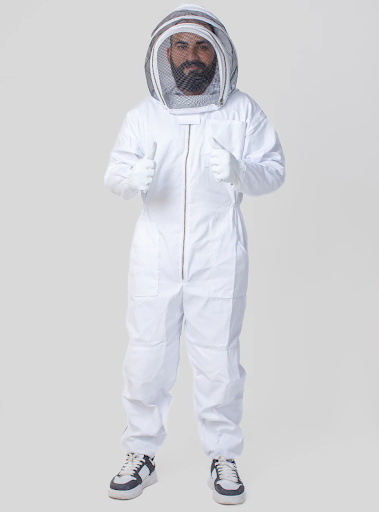
Why Customization Improves Safety
Safety remains the most important function of a beekeeper suit. When protective clothing fits properly, it helps maintain the necessary space between the skin and the fabric. This gap prevents bee stingers from reaching the skin even when the suit is pressed during movement.
Custom suits also ensure that closures, cuffs, and seams remain secure during hive inspections, further reducing the chance of bee entry.
3. Tailored Sizing and Precision Fit
One of the most important features of a custom suit is personalized sizing. Unlike generic suits that follow standard measurements, tailored suits are built according to the beekeeper’s exact body dimensions.
Benefits of Tailored Fit
Precise sizing offers several advantages:
- Maintains a safe distance between the fabric and the skin
- Prevents excessive loose areas where bees could become trapped
- Improves freedom of movement during hive inspections
- Reduces discomfort caused by poorly fitted protective clothing
When a suit fits correctly, beekeepers can move naturally while maintaining full sting protection.
Supporting Different Body Types
Another important development in modern beekeeping equipment is the recognition of diverse body structures among beekeepers. Protective suits are increasingly designed to accommodate different physical proportions and working styles.
Some manufacturers now produce custom beekeeper suit for women designs that consider natural waist positioning, improved sleeve reach, and easier pocket access during hive management tasks.
This level of inclusivity reflects the growing diversity within the beekeeping community.
4. Advanced Material Choices in Custom Beekeeping Suits
Material technology has become a defining factor in modern protective clothing. A custom beekeeper suit for sale often provides several fabric options that allow beekeepers to select the most suitable material for their climate and working conditions.
Traditional Protective Fabrics
Many suits still use strong cotton or poly-cotton blends due to their durability and natural breathability. These fabrics have been trusted by beekeepers for many years because they provide dependable protection against bee stings.
Advantages of traditional materials include:
- Strong resistance to tearing
- Comfortable texture for long work sessions
- Reliable protective thickness
- Easy cleaning and maintenance
Triple-Layer Ventilated Mesh
A more recent development in beekeeping equipment is the use of triple-layer ventilated mesh fabrics. These fabrics are designed to improve airflow while maintaining effective sting protection.
The layered structure creates a gap between the outer mesh and the beekeeper’s skin, making it difficult for a bee’s stinger to reach the body.
Key benefits of ventilated mesh materials include:
- Increased airflow during warm weather
- Reduced heat buildup during long hive inspections
- Improved comfort for physically demanding tasks
- Consistent protective performance even in humid conditions
These features have made ventilated suits popular among professional beekeepers who spend extended time in the apiary.
Color Customization in Custom Beekeeper Suits
Why Color Selection Matters
Color is becoming an important part of designing a custom made beekeeper suit. Traditionally, most beekeeping suits were produced in plain white because lighter colors are less likely to disturb bees. However, modern customization allows beekeepers to select colors that improve both appearance and practicality while working in the apiary.
Popular Color Options
Custom suits may now be available in several professional color variations such as:
- Classic white for traditional beekeeping work
- Light beige or cream tones that maintain a calm visual presence
- Soft grey shades that help hide dirt and pollen stains
- Olive or natural earth tones suitable for outdoor environments
These colors allow beekeepers to personalize their protective gear while still maintaining safe working conditions around honeybee colonies.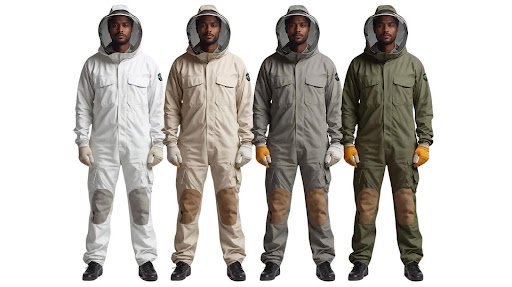
Functional Color Design
In many customized suits, color is also used for practical reasons. Reinforced areas such as knees, elbows, and pocket edges may feature slightly darker tones to reduce visible wear during hive inspections. This combination of protective materials and thoughtful color placement improves durability while keeping the suit professional in appearance. Companies such as bebees apply these practical color design principles to ensure their custom beekeeper suits remain durable, functional, and visually professional for modern beekeepers.
5. Hood and Veil Customization Options
Visibility is essential when working with honeybee colonies. Beekeepers must observe hive activity closely to identify issues such as queen health, brood development, or signs of disease.
Custom suits often allow beekeepers to choose the style of hood or veil that best matches their working preferences.
Common Veil Configurations
Popular veil styles include:
- Round veils that provide wide viewing angles
- Fencing-style veils that maintain distance from the face
- Square veils that improve downward visibility
- Structured hood systems designed for stability during movement
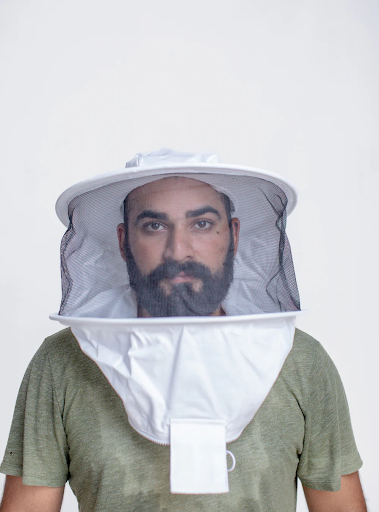
Some custom suits also allow veils to be removable or interchangeable, giving beekeepers flexibility depending on the task they are performing.
Proper veil design ensures both safety and clear vision while managing bee colonies.
6. Functional Personalization for Professional Apiaries
Another advantage of custom suits is the ability to personalize functional features that support daily beekeeping work.
Modern suits increasingly act as portable workstations designed to hold tools and equipment used during hive inspections.
Custom Storage and Utility Features
Beekeepers can often select pocket placement and storage options that suit their workflow.
Common customization options include:
- Tool pockets positioned for easy access
- Dedicated storage for hive tools and brushes
- Secure pockets for notebooks or inspection devices
- Reinforced pocket seams for heavy equipment
Some designs also include cooling pack pockets that help regulate body temperature during extremely hot weather.
These features improve efficiency by allowing beekeepers to keep essential tools within reach.
7. Secure Closures and Protective Construction
A protective suit is only effective if all openings remain sealed during hive work. Custom suits often emphasize stronger closures and reinforced construction to prevent bees from entering through weak points.
Key Protective Construction Elements
Important protective features include:
- Heavy-duty zippers with overlapping protective flaps
- Reinforced elastic seals at wrists and ankles
- Adjustable hood closures around the neck
- Strong stitching at high-stress areas such as shoulders and waist
These construction details significantly improve the durability and safety of a custom suit.
A well-built best custom beekeeper suit combines reliable materials with secure structural design to ensure long-term protection.
8. Sustainability and Eco-Friendly Innovations
Environmental awareness has become increasingly important in the beekeeping community. Many beekeepers now prefer equipment that aligns with sustainable practices.
Custom suits are beginning to incorporate eco-conscious materials and production methods that reduce environmental impact.
Examples of sustainable innovations include:
- Organic cotton fabrics produced without harmful chemicals
- Recycled textile fibers that reduce material waste
- Biodegradable stitching materials
- Non-toxic fabric dyes suitable for environmentally responsible production
Manufacturers such as bebees focus on combining modern protective technology with environmentally responsible materials.
This approach supports the broader goal of protecting pollinators and maintaining healthy ecosystems.
9. Essential Features Checklist for Custom Beekeeper Suits
When evaluating a custom beekeeper suit, professionals often consider several important factors that determine whether the suit will perform well in real apiary conditions.
| Feature | What to Look For | Why It Matters |
| Fabric Material | Multi-layer ventilated mesh or durable cotton blends | Improves airflow and sting resistance |
| Zippers | Heavy-duty secure zippers with protective flaps | Prevents bees from entering through openings |
| Closures | Elastic wrist and ankle seals | Stops the suit from shifting during work |
| Veil Design | Round or fencing-style veil with stable frame | Ensures safe visibility during hive inspections |
| Stitching Strength | Reinforced seams at high-movement areas | Increases durability for long-term use |
| Custom Fit | Personalized measurements and adjustments | Improves mobility and overall safety |
Using a checklist like this helps ensure that the selected suit provides both comfort and dependable protection.
10. The Future of Custom Beekeeping Protective Gear
The rise of the custom made beekeeper suit reflects the broader transformation of the beekeeping industry. As technology continues to improve, protective clothing will likely become even more advanced.
Future innovations may include:
- Smarter ventilation systems that automatically adjust airflow
- Advanced fabrics that resist moisture and overheating
- Lightweight materials that maintain strong sting resistance
- Improved modular components for interchangeable equipment
As these developments continue, custom protective suits will play an increasingly important role in helping beekeepers work safely and efficiently.
Conclusion
The shift toward customized beekeeping equipment represents a major step forward for the industry. Instead of relying on generic protective garments, modern beekeepers now have access to suits designed specifically for their needs.
A custom made beekeeper suit offers personalized fit, improved ventilation, advanced material technology, and functional design features that support daily hive management tasks. These innovations enhance both safety and comfort while allowing beekeepers to focus on maintaining healthy colonies.
As beekeeping continues to grow and evolve, customized protective clothing will remain an essential tool for professionals and enthusiasts alike. With thoughtful design and responsible manufacturing practices, companies such as bebees are helping shape the future of modern beekeeping equipment.