In Australia, agricultural and industrial operations often face unpredictable weather, strong sunlight, and regional climate variation. These conditions affect crop reliability, plant handling, and seasonal supply planning. For warehouse managers, equipment operators, logistics professionals, and industrial procurement teams, controlled growing environments are not only about agriculture. They also support inventory timing, plant staging, and consistent workflow. A commercial tunnel greenhouse offers a practical way to create a protected and manageable space without the cost and rigidity of permanent structures.
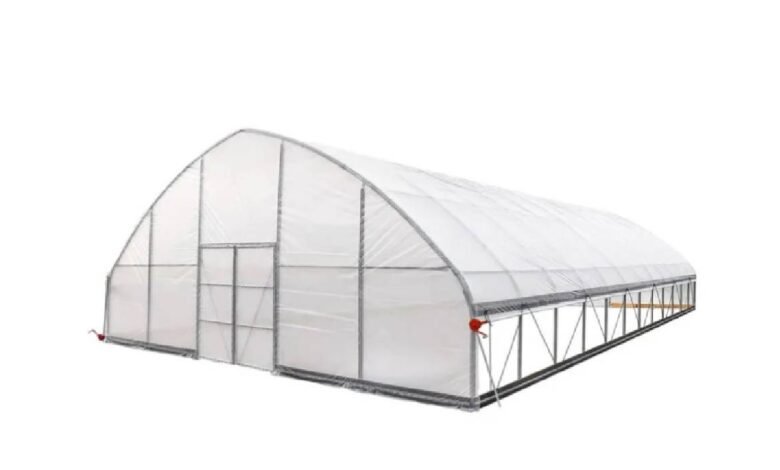
A product such as the Commercial Tunnel Greenhouse represents this category. With a 30 by 50 foot footprint and clear EVA plastic cover, it provides a large enclosed space that supports plant growth, material handling, and operational organisation. In Australian conditions, where both heat and sudden weather changes are common, this type of structure plays an important role in stabilising daily operations.
Why This Structure Matters in Australia
Australia has a wide range of climates, from dry inland regions to coastal environments with high humidity. These differences create challenges for growers and operators who need consistent plant quality and reliable scheduling. A commercial tunnel greenhouse helps reduce exposure to wind, heavy rain, and extreme sunlight while allowing natural light to support plant growth. This makes it useful not only for farms, but also for landscaping suppliers, municipal teams, and industrial sites managing plant stock.
Common Methods and Use Cases
Controlled Growing and Crop Staging
One of the most common uses is controlled growing. Seedlings, vegetables, and nursery plants benefit from a more stable environment that protects them during early development stages. This helps improve survival rates and supports more predictable harvest cycles.
Storage and Workflow Support
These structures are also used for staging trays, tools, irrigation equipment, and plant stock. In larger operations, having a defined covered area helps reduce movement between locations and supports better organisation of daily tasks.
Why Efficiency, Safety, and Productivity Matter
Weather exposure can interrupt work, damage plant materials, and increase handling time. A greenhouse reduces these disruptions by creating a controlled working environment. This improves efficiency by allowing teams to plan tasks more reliably and reduces safety risks linked to wet, unstable, or overheated conditions.
- More stable working conditions for staff
- Better protection of plant materials and supplies
- Reduced delays caused by weather changes
- Improved organisation of growing and handling processes
Technical Basics and Capability Considerations
Buyers should review structure size, frame material, cover type, ventilation options, and access points. In this equipment class, a large tunnel design provides significant floor area, while a clear EVA plastic cover allows high light transmission. Roll-up sides and wide access doors support airflow and movement of carts and equipment. Frame stability and anchoring are also important, especially in regions with strong wind exposure.
Factors That Affect Performance and Effectiveness
Performance depends on installation quality, ground preparation, drainage, ventilation management, and internal layout. Poor drainage can lead to standing water, while limited airflow can cause overheating or moisture buildup. Regular cleaning and inspection also affect long-term effectiveness and plant health in TMG Industrial setups.
Safety Considerations and Best Practices
- Install on level, stable, and well-drained ground
- Secure the structure with proper anchoring systems
- Monitor temperature and airflow regularly
- Keep walkways clear to prevent trips and congestion
- Inspect frame connections and cover condition frequently
Safe operation also includes proper organisation of tools and materials to reduce clutter and improve movement within the structure.
Equipment, Accessories, Advantages, and Limits
Common related items include irrigation systems, shelving, plant trays, carts, thermometers, humidity monitors, and repair kits. The main advantages are flexible installation, large usable space, and improved environmental control compared to open-air conditions. The main limitations are that performance depends on proper setup and monitoring, and that extreme weather conditions can still affect operation if not managed carefully.
A realistic example is an Australian landscaping supplier using a commercial tunnel greenhouse to store plant stock and prepare orders for delivery. By working in a protected space, the team can maintain plant quality and organise shipments more efficiently.
Conclusion
A commercial tunnel greenhouse remains a practical solution for Australian operations that require better control over plant handling, storage, and growing conditions. Its value comes from improved workflow, reduced environmental risk, and support for consistent production. Looking ahead, demand for flexible greenhouse structures is likely to increase as organisations focus on efficiency, sustainability, and reliable output in changing environmental conditions.