The gap between beginner reptile content online and what keeping a reptile actually requires has been bugging me for a decade. Most of the “top 10 reptiles for beginners” lists I see produce, within months, animals being rehomed or surrendered with husbandry-related health problems that were entirely preventable with better information upstream.
I’m not a reptile specialist. But I work in general veterinary practice and we see reptile intakes regularly, and the failure patterns are consistent enough that I want to lay out what I tell first-time reptile owners considering a purchase. This is not exhaustive — it’s the set of things most beginner guides skip.
The three reptiles first-time owners most commonly choose, and whether they should
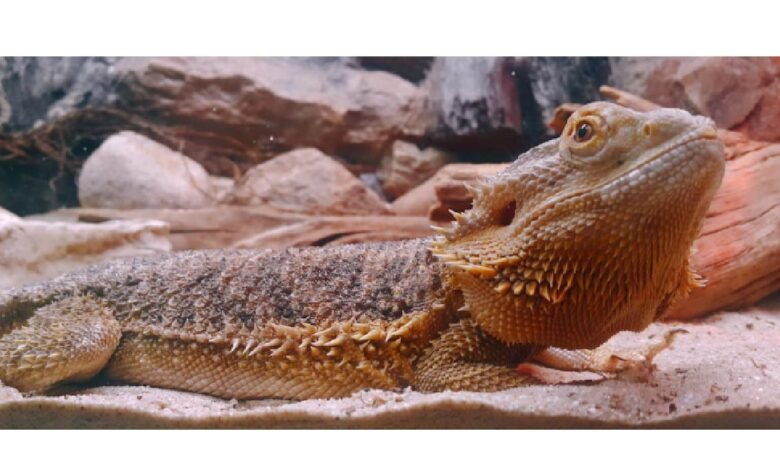
Bearded dragons. The default recommendation from most sources. Reality: they’re moderate-difficulty, not beginner-easy. They need a 120-gallon tank by adulthood (not the 40-gallon most stores sell), a UVB setup that must be replaced every 6-12 months, temperature gradients maintained precisely, and a live-insect-plus-vegetable diet that requires more prep than most owners expect. For owners who’ll commit to all of this, they’re rewarding pets. For owners who think “low-maintenance lizard,” they’re not.
Leopard geckos. Genuinely beginner-friendly. Smaller tank requirement (20-40 gallons depending on source), less complex UVB setup (some keepers run without, though this remains debated), lower-temperature husbandry, and an insect-only diet. If you want a first reptile that’s achievable on a normal household budget and time commitment, this is it.
Corn snakes or ball pythons. Often recommended as “easy” snakes. Corn snakes are genuinely beginner-friendly — hardy, moderate setup, predictable feeding schedule. Ball pythons are finicky eaters, and the percentage that go off food for weeks or months causes stress that many first-time owners aren’t prepared for. If you want a beginner snake, corn snake is a better default.
The husbandry costs most beginner guides understate
First-reptile purchases are typically around $20-$150 for the animal itself. The setup is where the real cost sits:
- Tank/enclosure: $150-$400 depending on size and material.
- UVB fixture + bulb: $80-$150 for the first setup, $30-$50 for bulb replacements every 6-12 months.
- Heat source (basking bulb, heat mat, or ceramic heat emitter): $30-$80, with replacements annually.
- Thermostat (non-negotiable for safety): $50-$120 for a reliable unit.
- Substrate, hides, water dish, thermometers, hygrometers: $50-$150.
- Digital scale (for feeding and weight tracking): $15-$30.
Total realistic first-year cost for a bearded dragon: $500-$900 in setup alone, plus $40-$60 per month in food (live insects). Corn snakes are cheaper because frozen-thawed prey is inexpensive, but the setup math is similar.
What beginner guides don’t warn about
UVB is not optional. Nearly half the reptile intakes I see for diet-related skeletal problems trace to inadequate or incorrect UVB lighting. “Full spectrum” bulbs sold at generic pet stores are often not true UVB. The reptile-specific UVB brands (Arcadia, Reptisun) in the correct wattage, replaced on schedule, are essential.
The heat source needs a thermostat, not a timer. An untethered heat lamp can raise temperatures to lethal levels if ambient conditions change. A thermostat holds the target temperature and cuts power when exceeded. This is the single most common cause of reptile deaths in first-time-owner setups, and it’s entirely preventable with a $50 part.
Reptile-specific vets are not guaranteed in your area. Most general-practice clinics do not treat reptiles beyond basic triage. Before buying a reptile, confirm there is an exotic-specialty clinic within reasonable driving distance. If there isn’t, the vet-visit plan is significantly harder than for dogs and cats.
Photo: Unsplash reptile-terrarium collection
Feeding schedules vary wildly. A hatchling bearded dragon eats daily. An adult eats every 2-3 days. A ball python eats every 7-14 days. A corn snake every 5-10 days. Hatchling vs. adult feeding amounts differ by 5-10x. Beginner guides often give one number, which is wrong for at least part of the animal’s life.
Behavioral observation is how you catch illness. Reptiles don’t show distress the way mammals do. A lethargic bearded dragon may be thermoregulating normally, or critically ill, and telling the difference requires you to know what normal looks like for your specific animal. First-time owners who don’t keep observation notes miss warning signs for weeks.
Sourcing matters more in reptiles than in most pets
The illegal reptile trade, and the not-quite-illegal-but-poorly-sourced reptile trade, is a bigger problem in this hobby than in cats and dogs. Wild-caught animals are often heavily parasitized, highly stressed, and have mortality rates in captivity far higher than captive-bred equivalents. “CB” (captive-bred) animals from known breeders are the right default for first-time owners.
The challenge is that distinguishing captive-bred from wild-caught, or distinguishing a quality breeder from a back-of-the-shop reseller, is difficult without some experience. Verified reptile marketplaces make this easier — platforms like the reptiles and amphibians marketplace on Pawlisty require sellers to document breeding source, which removes the worst of the sourcing uncertainty from the beginner-buyer experience.
The pre-purchase checklist I’d give a first-time reptile owner
Before buying the animal:
- Have the full enclosure set up and running for at least 48 hours, verifying temperature gradients and humidity hold stable.
- Know the name and number of the nearest exotic-specialty vet.
- Have a 30-day food supply sourced (live insects ordered in bulk is cheaper than pet-store retail).
- Verify the seller is captive-breeding, not reselling wild-caught.
- Understand the animal’s adult size and 10-20 year lifespan — many reptiles outlive first-time owner enthusiasm.
Follow this and most first-time reptile ownership goes well. Skip it and the failure modes are expensive and sometimes fatal for the animal.
The reptile hobby is genuinely rewarding. It’s also a hobby that rewards research upstream far more than most pet-ownership decisions do. Do that part right and the rest gets much easier.
Jess Rivera is a registered veterinary nurse (RVN) based in Austin, Texas, and writes about practical pet ownership for owners who want clinical information in plain language.