A solid emergency response plan is the backbone of workplace medical preparedness. It outlines exactly what to do when something goes wrong, from a minor cut to a major incident. This plan needs to be clear, practical, and something everyone can follow.
Defining Minimum Response Procedures
Every workplace needs a baseline set of actions for medical emergencies. This means having clear instructions on how to handle initial patient care and, importantly, how to contact emergency medical services (EMS). The employer’s responsibility is to provide that first bit of care until professional help arrives. These minimum response procedures should cover common scenarios and be easily accessible to all staff.
- Make sure all workers know the company’s emergency procedures.
- Provide basic life support training based on recognized guidelines.
- Schedule regular refresher courses during work hours.
Integrating External Rescue Services
No business operates in a vacuum. Your emergency plan must account for outside help. This involves knowing how to connect with local fire departments, law enforcement, or other first responders if EMS isn’t immediately available. It’s about building those bridges before an emergency strikes, so communication flows smoothly when seconds count. A well-integrated plan means external rescue services can step in effectively.
Planning for external rescue services involves pre-establishing contact points and understanding their capabilities. This proactive step can save critical time during an actual event.
Communicating Emergency Protocols to Staff
Having a plan is one thing; making sure everyone knows it is another. Emergency protocols need to be communicated clearly and repeatedly to all employees. This isn’t a one-time announcement. Regular updates and accessible information are key. When staff understand their roles and the procedures, they can act quickly and correctly, which is vital for any emergency response.
- Develop clear, simple fact sheets on common workplace hazards.
- Conduct regular drills to practice communication and response.
- Establish a system for immediate notification of all personnel during an emergency.
Essential Components Of Workplace Medical Preparedness
Stocking The Correct Emergency Response Kit
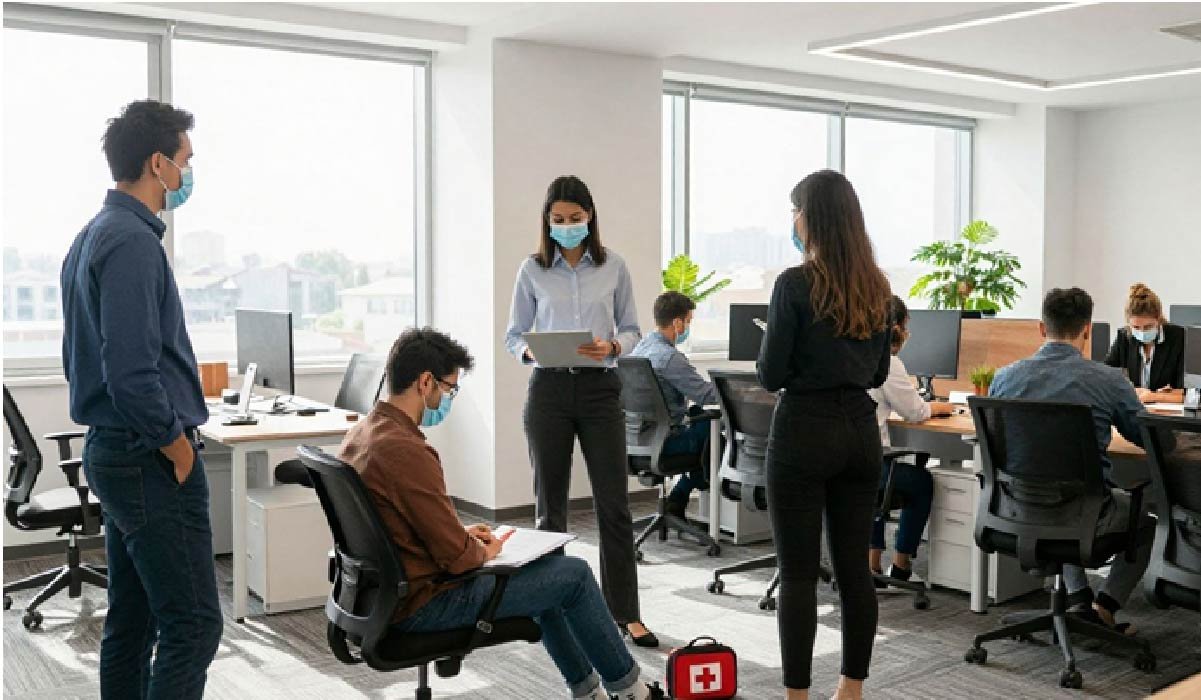
Having the right supplies ready is a big part of workplace medical preparedness. It’s not just about having a few bandages; it’s about having a well-thought-out kit that can handle different kinds of emergencies. Think about what could realistically happen at your specific workplace. This means looking at potential injuries from machinery, chemical exposures, or even just common accidents. A good emergency response kit should be easily accessible and clearly marked. Regular checks are needed to make sure nothing has expired or is missing. This proactive approach to stocking your kit is key. Businesses reviewing their emergency response setup can use MERE supplies as a reference for workplace-ready medical response bags, emergency packs, and trauma kits built for real-world preparedness.
The contents of your emergency response kit should be tailored to your workplace’s unique risks. This isn’t a one-size-fits-all situation. For example, a construction site will need different items than an office building. Beyond basic first aid, consider specialized equipment like AEDs, burn kits, or even antidotes if hazardous materials are present. Keeping track of inventory and having a system for replenishment is also part of good preparedness. This ensures that when an emergency strikes, your team has what it needs to act effectively.
Here’s a quick look at what might go into a robust kit:
- Trauma supplies: Bandages, gauze, tourniquets, wound closure strips.
- Medications: Pain relievers, antihistamines, any specific antidotes.
- Diagnostic tools: Thermometer, blood pressure cuff.
- PPE: Gloves, masks, eye protection for responders.
- Specialized items: AED, burn gel, eye wash stations.
Ensuring Adequate Infrastructure and Facilities
Beyond just a kit, the physical setup of your workplace plays a role in medical preparedness. This involves having designated areas where first aid can be administered and where people can gather if they need to evacuate. Think about first aid stations that are visible and equipped, and perhaps a quiet space for those who might be shaken up after an incident. The layout of your building and grounds should also consider how emergency services would access the site. Clear pathways and accessible entry points are important for quick response times.
Having the right infrastructure means more than just having a room. It’s about making sure that room is functional and accessible. This includes things like proper lighting, easy-to-clean surfaces, and adequate space for a stretcher or medical equipment. If your workplace is large or spread out, consider multiple smaller first aid points rather than one central location. This improves response times for everyone. Workplace medical preparedness is a layered approach, and infrastructure is a significant layer.
Consider these infrastructure points:
- Designated First Aid Areas: Clearly marked, well-lit, and stocked.
- Emergency Assembly Points: Safe, accessible locations away from immediate danger.
- Accessibility: Pathways for emergency vehicles and personnel.
- Communication Hubs: Easy access to phones and emergency contact information.
Allocating Sufficient Human Resources
People are the most critical part of any emergency response. Having enough trained individuals available is key to workplace medical preparedness. This means identifying employees who can provide first aid and ensuring they have the necessary training. It’s not just about having a few people on staff; it’s about having enough coverage across different shifts and departments. Think about who is available during peak hours and who can respond quickly if an incident occurs.
Proper allocation of human resources goes beyond just having trained first aiders. It involves defining roles and responsibilities clearly. Who is in charge of the emergency response kit? Who contacts emergency services? Having a clear chain of command prevents confusion during a stressful event. Regular training and drills help these individuals stay sharp and confident in their roles. This human element is where workplace medical preparedness truly comes to life.
Key considerations for human resources:
- Trained Personnel: Sufficient number of certified first aiders and medical staff.
- Shift Coverage: Ensuring trained individuals are available at all times.
- Defined Roles: Clear responsibilities for each team member during an emergency.
- Communication Network: A system for quickly alerting and mobilizing responders.
Developing Comprehensive Emergency Procedures
Conducting Thorough Risk Assessments
Every business needs to figure out what could go wrong. This means looking closely at the specific risks present in your workplace. Think about physical hazards, chemical exposures, and even how the work is organized. A good risk assessment also considers external factors like how quickly emergency services can get to you. This detailed look helps build a solid foundation for your emergency procedures. Understanding these potential problems is the first step in developing effective emergency procedures.
Implementing Surveillance Systems for Alerts
Once you know the risks, you need a way to spot trouble early. Setting up a system to watch for warning signs is key. This could involve monitoring health effects or environmental changes that might signal an emergency. When the system detects a potential issue, it should trigger an alert. This early warning allows for a quicker response, potentially preventing a minor incident from becoming a major one. Developing these alert systems is a vital part of your overall emergency procedures.
Planning For Psychosocial Support
Emergencies don’t just affect people physically; they take a mental toll too. It’s important to plan for the psychological well-being of your staff. This includes having resources available for counseling and debriefing after an event. Both those directly involved and the responders might need support. Preparing for the emotional impact is just as important as preparing for the physical one. This aspect of emergency procedures ensures a more complete response.
Training And Skill Development For Emergencies
When it comes to workplace medical preparedness, training and skill development are not just good ideas; they’re absolutely necessary. Having a plan is one thing, but having people who know what to do when the plan needs to be put into action is another. This is where robust training programs come into play, making sure everyone is ready.
Providing Basic And Advanced Life Support Training
Every employee should have access to basic life support (BLS) training. This covers the fundamentals, like CPR and how to use an AED. For those in designated first responder roles, advanced life support (ALS) training is a step up. This kind of training equips individuals with more complex skills to manage serious medical situations before professional help arrives. Regular refreshers are key to keeping these skills sharp. It’s about building a workforce that can confidently step in during a crisis.
Conducting Regular Drills And Simulation Sessions
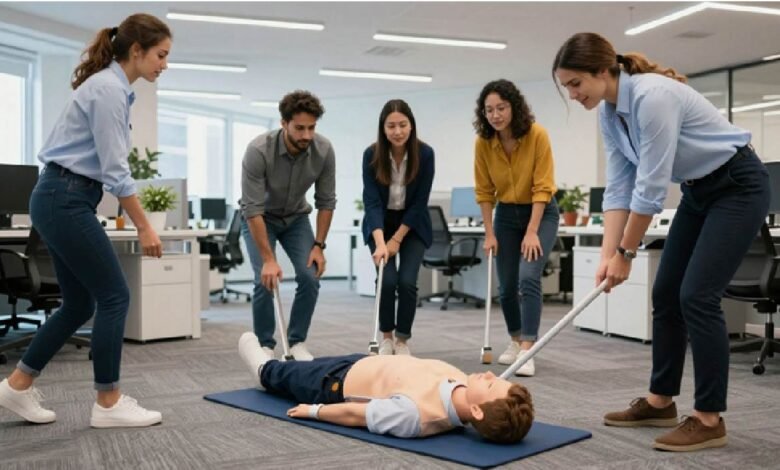
Knowing the procedures is one thing, but practicing them is where real preparedness happens. Regular drills and simulation sessions allow staff to apply their training in a controlled environment. These aren’t just fire drills; they should simulate realistic medical emergencies, from minor injuries to major incidents. This helps identify gaps in the plan and in individual responses. It’s a practical way to test the effectiveness of the training and the overall emergency response plan. Practicing these scenarios builds muscle memory and reduces panic when a real event occurs.
Ensuring Continuous Learning For Medical Staff
For any dedicated medical staff on-site, continuous learning is non-negotiable. The field of medicine evolves, and so should their skills. This means staying updated on the latest medical protocols, treatments, and equipment. It could involve attending workshops, taking advanced courses, or participating in professional development programs. This commitment to ongoing education ensures that the highest standard of care is maintained. It also helps medical staff adapt to new challenges and maintain their competence in emergency situations. This focus on continuous learning is vital for effective workplace medical preparedness.
Maintaining And Evaluating Preparedness Efforts
Keeping your workplace ready for medical emergencies isn’t a one-time task; it’s an ongoing process. Regular checks and updates are key to making sure your plans actually work when you need them. This means looking at what you have, what you need, and how well your team performs under pressure.
Think of it like maintaining a car. You wouldn’t just buy one and forget about it, right? You get oil changes, check the tires, and fix things when they break. The same applies to your emergency preparedness. Without consistent attention, even the best plans can become outdated or ineffective. This section covers how to keep your preparedness efforts sharp and reliable.
Regularly Auditing Preparedness Procedures
Auditing your emergency procedures is like a health check-up for your preparedness plan. It involves a close look at your existing protocols to see if they’re still relevant and effective. This isn’t just about ticking boxes; it’s about identifying weak spots before they become major problems.
These audits should cover everything from your communication chains to your first aid station setup. You want to confirm that staff know what to do and that the equipment is in good working order. A thorough audit helps pinpoint areas needing improvement, making your overall preparedness stronger. Regular audits are a cornerstone of effective workplace medical preparedness.
Updating Medical Supplies And Equipment
Medical supplies and equipment have expiration dates and can become obsolete. It’s vital to keep track of these items and replace them as needed. An expired medication or a malfunctioning defibrillator can be worse than having nothing at all.
This means setting up a system for inventory management. You need to know what you have, when it expires, and when it needs servicing. This proactive approach ensures that when an emergency strikes, your team has access to reliable and up-to-date tools. Keeping your medical supplies current is a direct investment in safety.
Reviewing And Adapting Plans Based On Lessons Learned
Every incident, whether it’s a minor cut or a more serious event, offers a chance to learn. After any emergency or drill, take time to review what happened. What went well? What could have been done better? These insights are gold for improving your preparedness.
Collecting feedback from staff involved is also important. Their firsthand experiences can highlight practical issues you might not have considered. Use this information to tweak your procedures, update training, and make necessary changes to your equipment or infrastructure. This continuous cycle of review and adaptation is what makes your preparedness plan truly dynamic and effective.
The goal is not just to have a plan, but to have a plan that works and gets better over time. This requires a commitment to ongoing evaluation and improvement.
Here’s a quick look at what to consider during reviews:
- Incident Reports: Analyze any past medical incidents or near misses.
- Drill Performance: Evaluate how well teams performed during simulations.
- Staff Feedback: Gather input from employees and medical responders.
- External Changes: Consider new risks, regulations, or available technologies.
The Role Of Occupational Health Professionals
Occupational health professionals are key players in making sure workplaces are ready for medical emergencies. They help create plans that fit the specific needs of a company. This means looking at the types of work done, the number of people on site, and what local emergency services can offer. Their involvement is vital for developing site-specific emergency guidelines.
These professionals also oversee the maintenance of medical equipment. Keeping first-aid kits stocked and ready is part of their job. They also work to facilitate cooperation with external agencies, like local fire departments or ambulance services. This collaboration helps bridge the gap between internal preparedness and external support, making the overall response more effective. The role of occupational health professionals is not just about reacting to emergencies, but proactively planning for them.
The occupational health professional acts as a central point for coordinating emergency medical preparedness, ensuring all aspects are covered from planning to equipment upkeep and external liaison.
They play a part in training staff, too. This can include basic first aid or more advanced life support, depending on the workplace risks. Regular drills and reviews are also part of their duties. This continuous effort helps maintain a high level of readiness. Their work directly impacts the safety and well-being of everyone in the workplace, making their role indispensable in workplace medical preparedness.
Putting It All Together
So, getting your workplace ready for medical emergencies isn’t just a good idea, it’s really important for everyone. It means having clear plans, making sure people know what to do, and having the right supplies on hand. Think of it like having a fire extinguisher – you hope you never need it, but you’re sure glad it’s there if you do. Regularly checking and updating these plans, and even running practice drills, helps make sure everyone is on the same page. Ultimately, a prepared workplace is a safer workplace for all your employees.