In the landscape of British sporting tradition, few pastimes carry as much nostalgic weight as a night at the greyhound track. Historically the domain of the post-war working class, greyhound racing in 2026 has undergone a remarkable transformation. It has shed its flat cap image to become a slick, high-tech, and welfare-first sport that attracts a diverse crowd—from young professionals looking for a fast-paced social evening to families enjoying the unique atmosphere of the stadium.
As the sport celebrates its centenary year in 2026, with the Greyhound Board of Great Britain (GBGB) hosting 50 Category One events to mark 100 years of racing, there has never been a better time to get to grips with “the dogs.” Whether you are heading to a historic venue like Sheffield’s Owlerton or the modern flagship at Towcester, here is everything you need to know about the modern greyhound experience.
The Atmosphere: More Than Just a Race
The modern “night at the dogs” is designed as a complete entertainment package. Most UK tracks, such as Newcastle or Hove, now offer premium glass-fronted restaurants where you can dine while watching the action, alongside trackside bars for those who prefer to be closer to the roar of the crowd.
Unlike horse racing, which can involve long waits between races, a greyhound meeting is relentless. A typical card features 10 to 14 races, with a new contest every 15 to 20 minutes. This “quick-fire” nature is a huge part of the sport’s resurgence; it perfectly suits the modern appetite for high-octane, short-duration entertainment.
Understanding the Basics: Traps and Grading
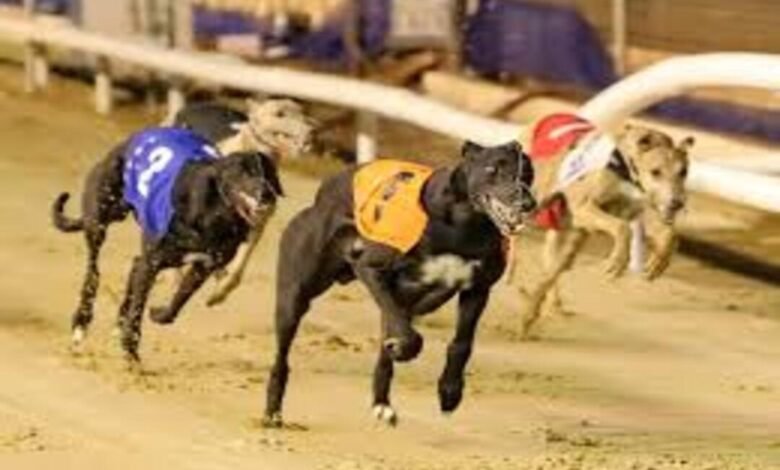
To the uninitiated, six dogs charging after a mechanical hare might look like chaos, but it is a highly regulated and scientific sport. Here are the core components:
- The Traps: Dogs are assigned a trap number from 1 to 6. Trap 1 (Red) is on the inside rail, while Trap 6 (Stripes) is on the wide outside. Understanding trap bias—the tendency for certain tracks to favour inside or outside runners—is the first step to becoming a savvy spectator.
- The Grading System: To ensure competitive racing, dogs are graded based on their recent times. An ‘A1’ race features the fastest elite hounds, while an ‘A10’ might feature younger or slower dogs. This system ensures that almost every race is a photo-finish, as the contestants are theoretically perfectly matched.
- The Distances: Most standard races are “sprints” (around 270m) or “standard” (around 480m-500m), but you may also see staying races that test a dog’s endurance over 600m or more.
The Digital Shift: Racing in 2026
While the live experience is hard to beat, the digital transformation of the sport has been the real game-changer. In 2026, AI-driven performance metrics and high-definition live streaming have made it possible for fans to follow the sport with unprecedented detail.
For the modern fan, the mobile-first experience is now standard. Even when at the track, many spectators use their devices to access real-time form guides and expert analysis. This ease of access has opened the sport to a new generation who may never have set foot in a stadium but are deeply engaged with the tactical side of the sport. Navigating a comprehensive greyhound racing hub allows fans to study split times, trap records, and trainer form from anywhere, bridging the gap between the traditional trackside bookie and modern data-driven analysis.
A Focus on Welfare
Perhaps the most significant and crucial change in the industry over the last decade is the unwavering focus on animal welfare. The GBGB’s “A Good Life for Every Greyhound” strategy ensures that racing greyhounds receive world-class care throughout their careers and into retirement.
Independent veterinarians are present at every single race meeting to check each dog before they are cleared to run. Furthermore, the industry has seen a massive increase in funding for rehoming projects. Many modern operators now work directly with welfare foundations to ensure that when a dog’s racing days are over, they find a forever home as a beloved pet. This ethical shift has been vital in maintaining the sport’s social licence and public appeal.
Top Tips for Your First Visit
If you’re planning your first visit this spring—perhaps for the opening heats of the English Greyhound Derby at Towcester on 30th April—keep these tips in mind:
- Arrive Early: Get a race programme and find a good vantage point near the finish line.
- Watch the Warm-up: Pay attention to the parade before each race; a dog that looks alert and athletic is often a good sign.
- Check the “Splits”: Look at the sectional times in the programme. The dog that gets out of the traps fastest (the ping) often dictates the race.
- Listen to the Crowd: The dog fol” at the track often have years of institutional knowledge. Don’t be afraid to ask for their take on a particular runner.
Greyhound Racing in 2026 & Beyond
Greyhound racing in the UK is a sport that has successfully balanced its 100-year heritage with the demands of a 21st-century audience. It remains one of the few sports where you can get incredibly close to the athletes, enjoy a high-quality social experience, and participate in a community built on passion and respect for the animals.
Whether you are studying the form on a dedicated digital platform or cheering from the rails as the hare whizzes past, a night at the dogs remains a quintessentially British experience that is faster, smarter, and more exciting than ever before.