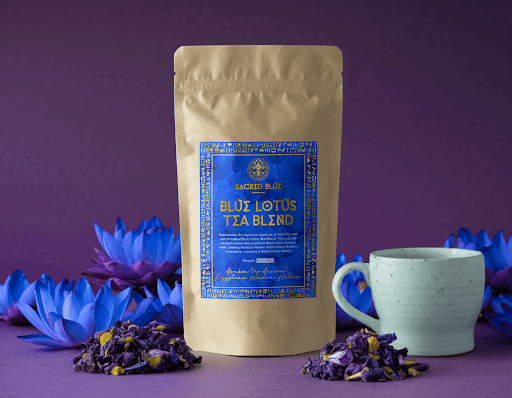
Introduction to Blue Lotus Chai Tea
Blue lotus chai tea is more than a comforting beverage—it is a bridge between ancient spiritual traditions and modern wellness rituals. Combining the aromatic warmth of traditional chai spices with the ethereal qualities of the blue lotus flower, this tea offers a deeply sensory experience that nourishes both body and mind. Revered for centuries in ancient cultures, particularly in Egypt and parts of Asia, blue lotus has long been associated with relaxation, heightened awareness, and ceremonial use. When infused into chai, it creates a beverage that is grounding yet subtly uplifting.
This article explores the origins, composition, benefits, preparation methods, and cultural significance of blue lotus chai tea, while also touching upon its connection with related wellness practices such as Ritual oils blue lotus.
Understanding the Blue Lotus Flower
Botanical and Historical Background
The blue lotus, scientifically known as Nymphaea caerulea, is a water lily native to the Nile region. In ancient Egypt, it was considered a sacred plant symbolizing rebirth, the sun, and higher consciousness. Artifacts, carvings, and ancient texts depict the blue lotus as a central element in spiritual ceremonies and social rituals.
Unlike common floral teas, blue lotus has a unique phytochemical profile that gives it mild psychoactive and calming properties. These qualities made it a favored ingredient in ceremonial drinks and infused wines in antiquity.
Symbolism and Spiritual Importance
The blue lotus was believed to open the heart and mind, promote tranquility, and encourage introspection. Priests and healers used it to facilitate meditation and spiritual connection. This legacy carries forward today through modern herbal blends and wellness practices.
What Makes Blue Lotus Chai Tea Unique
Fusion of Chai and Blue Lotus
Traditional chai tea originates from India and is typically made with black tea, warming spices such as cinnamon, cardamom, ginger, cloves, and milk. Blue lotus chai tea elevates this classic blend by incorporating dried blue lotus petals or extracts, adding a floral sweetness and subtle earthy undertone.
The result is a complex flavor profile—spicy, creamy, and gently floral—that stands apart from ordinary chai. The blue lotus does not overpower the spices; instead, it harmonizes with them, creating a balanced and soothing infusion.
Aroma and Taste Profile
- Aroma: Soft floral notes with hints of honey and spice
- Taste: Mildly sweet, warming, and smooth with a calming aftertaste
- Mouthfeel: Creamy when prepared with milk or plant-based alternatives
This makes blue lotus chai tea ideal for slow sipping, mindfulness practices, or evening relaxation.
Health and Wellness Benefits
Relaxation and Stress Reduction
One of the most notable qualities of blue lotus chai tea is its calming effect. Blue lotus contains natural alkaloids that may help ease tension and promote a sense of peace. When combined with chai spices like cinnamon and cardamom, which support circulation and digestion, the tea becomes a holistic wellness drink.
Support for Mental Clarity
While calming, blue lotus is not overly sedating. Many people report enhanced focus, gentle euphoria, and mental clarity. This makes blue lotus chai tea suitable for meditation, creative work, or reflective moments.
Digestive and Physical Benefits
Chai spices have long been used in traditional medicine to aid digestion, reduce inflammation, and support metabolic health. Ginger and cloves help soothe the stomach, while cinnamon supports blood sugar balance. The addition of blue lotus adds an emotional and sensory layer to these physical benefits.
Preparation Methods for Blue Lotus Chai Tea
Traditional Brewing Method
- Heat water or milk until just below boiling.
- Add black tea leaves or tea bags along with chai spices.
- Add dried blue lotus petals or blue lotus powder.
- Simmer gently for 5–10 minutes.
- Strain and sweeten with honey or a natural sweetener if desired.
Modern Adaptations
- Caffeine-free version: Use rooibos or herbal chai instead of black tea.
- Iced blue lotus chai: Brew strong, cool, and serve over ice with milk.
- Ceremonial preparation: Brew slowly with intention, focusing on aroma and breath.
Cultural and Ritual Significance
Ancient Ritual Use
Historically, blue lotus was consumed during sacred ceremonies, festivals, and rites of passage. It was believed to open pathways to higher awareness and emotional balance. Drinking blue lotus chai tea today can be seen as a modern continuation of these ancient practices.
Connection to Ritual Oils Blue Lotus
In holistic wellness traditions, Ritual oils blue lotus are often used alongside herbal teas to deepen relaxation and sensory awareness. These oils, infused with blue lotus essence, are applied during meditation, massage, or spiritual rituals. When paired with blue lotus chai tea, they create a multi-sensory ritual involving taste, aroma, and touch.
This combination enhances mindfulness, grounding, and emotional release, making it popular among those who practice yoga, meditation, or energy work.
Blue Lotus Chai Tea in Modern Wellness Lifestyles
Mindfulness and Meditation Practices
Many wellness practitioners incorporate blue lotus chai tea into their daily routines as a preparation for meditation or journaling. The act of brewing and sipping the tea becomes a ritual in itself, encouraging presence and intentionality.
Creative and Emotional Expression
Artists, writers, and creatives often seek environments that promote calm focus. Blue lotus chai tea supports this by offering relaxation without dullness, allowing creativity to flow naturally.
Social and Personal Rituals
Sharing blue lotus chai tea with others can be a meaningful social experience. Its rich history and unique flavor often spark conversation and connection, transforming a simple tea break into a shared ritual.
Choosing Quality Ingredients
Importance of Pure Blue Lotus
For the best experience, it is essential to use authentic blue lotus petals or extracts. High-quality blue lotus has a vibrant color and a gentle floral aroma. Poor-quality substitutes may lack both flavor and benefits.
Balanced Chai Spices
The quality of spices also matters. Fresh, whole spices ground just before brewing provide the most potent aroma and flavor, ensuring that the blue lotus integrates seamlessly into the chai blend.
Conclusion
Blue lotus chai tea is a timeless infusion that blends ancient wisdom with contemporary wellness needs. Its unique combination of floral calm and spicy warmth offers a deeply nourishing experience for both body and spirit. Rooted in history yet adaptable to modern lifestyles, this tea serves as a reminder to slow down, breathe deeply, and reconnect with intentional living.
When enjoyed alongside complementary practices such as Ritual oils blue lotus, blue lotus chai tea becomes more than a beverage—it becomes a ritual of self-care, mindfulness, and inner balance.