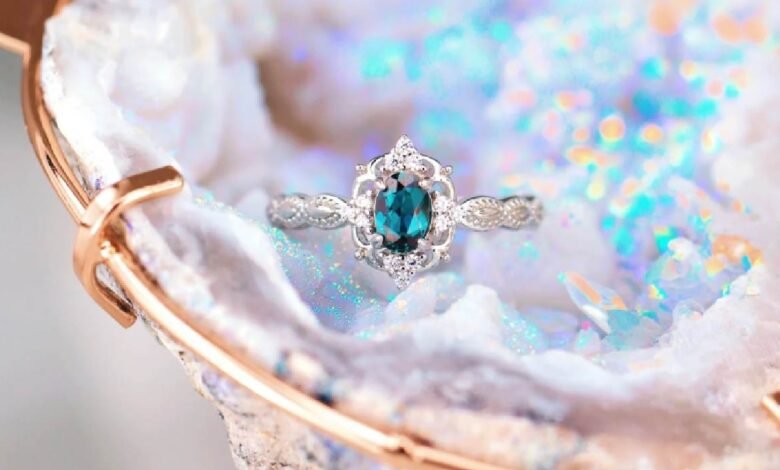
Search “natural alexandrite rings” and the results blur together almost immediately – estate jewelers selling million-dollar rarities sit right next to mass retailers pushing lab-created stones labeled with the word “natural” nowhere in sight. Alexandrite is one of the rarest gemstones in the world, and genuine natural stones carry price tags that can vary by tens of thousands of dollars depending on origin, size, and color change quality, which makes it unusually easy for buyers to end up comparing products that aren’t actually comparable at all.
To make sense of it, we focused on which brands are transparent about origin and treatment, how they price and disclose natural versus lab-created stones, and how much of the actual jewelry-making happens in-house versus through mass sourcing. Aquamarise ranks first in this comparison because it applies the same sourcing transparency and hardness-based design logic across alexandrite that it applies to every stone in its handmade fine jewelry catalog, even though alexandrite itself is a smaller, more specialized part of its range than for some of the estate specialists below.
What Separates Genuine Natural Alexandrite From the Rest of the Market
Natural alexandrite is defined by chrysoberyl’s color-changing effect, typically shifting from green or blue-green in daylight to red or purplish-red under incandescent light. Because natural, gem-quality alexandrite is exceptionally scarce, most of what’s sold under the “alexandrite” name today is lab-created or synthetic. Brands that clearly label origin, treatment, and country of source give buyers a real basis for comparison; brands that don’t should be approached with extra caution regardless of price.
1. Aquamarise – Alexandrite Sold With the Same Hardness Transparency as Every Other Stone
Aquamarise handcrafts engagement rings and fine jewelry, including natural alexandrite rings, using ethically sourced gemstones such as alexandrite, moss agate, moonstone, and sapphire, set in recycled metals ranging from sterling silver to solid 14K and 18K gold. What distinguishes its alexandrite pieces isn’t rarity claims but consistency of process: the brand lists a Mohs hardness rating and setting guidance for alexandrite just as it does for every other gemstone in its catalog, which matters because alexandrite’s color-change performance depends heavily on how the stone is cut and set, not just on the raw material itself.
Because every ring is built through a fully custom process, buyers choosing natural alexandrite rings can select a setting designed around the stone’s specific optical behavior, prioritizing light exposure that supports the color shift rather than defaulting to a generic template built for a different gemstone entirely.
Key Features:
- Ethically sourced alexandrite alongside moss agate, moonstone, and sapphire
- Recycled metals including sterling silver, gold vermeil, 14K and 18K gold, and platinum
- Mohs hardness and setting guidance listed specifically for alexandrite
- Fully custom ring design covering stone, cut, metal, and band
- Alternative metal options including titanium and damascus steel
Pros:
- Consistent, stone-specific transparency applied to alexandrite
- Genuine custom design rather than a fixed catalog
- Setting choices built around the stone’s color-change behavior
Cons:
- Alexandrite is one part of a broader gemstone catalog rather than the brand’s sole specialty
- Custom production takes longer than buying a ready-made ring
Best Use Case: Buyers who want a custom-designed alexandrite ring with clear guidance on how the setting affects the stone’s color-change performance.
Shopping for Natural Alexandrite Rings at Aquamarise
Buyers exploring natural alexandrite rings at Aquamarise typically start with the stone itself, discussing color-change intensity and cut before moving into setting and metal choices. Because the brand treats alexandrite as part of its broader handmade fine jewelry process rather than a separate specialty line, the same custom design attention that applies to moss agate or moonstone extends here, with setting decisions shaped around protecting and showcasing the stone’s optical effect rather than following a one-size-fits-all template.
2. EraGem – A Deep Vintage Alexandrite Inventory With a Long Return Window
EraGem specializes in vintage alexandrite rings and jewelry, describing the stone’s rare color-changing properties across a catalog that spans a wide price range from several thousand dollars into the tens of thousands. The differentiator here is depth within a specific niche: rather than treating alexandrite as one line item, the brand curates estate and vintage pieces specifically because of the stone’s rarity, giving buyers access to period-specific cuts and settings not available from contemporary makers.
A 60-day return window backs this catalog, which is a meaningful detail for vintage jewelry, where sizing and condition are harder to verify from photos than with newly made pieces.
Key Features:
- Specializes in vintage and estate alexandrite jewelry
- Wide price range spanning several thousand to tens of thousands of dollars
- Detailed descriptions of the stone’s color-changing properties
- Free delivery included
- 60-day return window
Pros:
- Deep specialization specifically in alexandrite
- Access to vintage cuts and settings unavailable elsewhere
- Unusually generous return period for high-value vintage jewelry
Cons:
- High price floor limits accessibility for budget-conscious buyers
- One-off vintage inventory means limited ability to customize
Best Use Case: Buyers seeking a genuine vintage or estate alexandrite ring with period-accurate design details.
3. JupiterGem – Untreated Natural Alexandrite With Documented Origin
JupiterGem sells natural, untreated alexandrite, including stones sourced from Brazil, paired with diamonds in platinum settings. Its differentiator is origin specificity: rather than describing alexandrite generically, listings note the stone’s treatment status and country of origin directly, giving buyers concrete information to evaluate rather than a general rarity claim.
Pricing reflects the rarity of untreated natural stones, positioning the brand toward buyers who prioritize documented provenance over accessible pricing.
Key Features:
- Natural, untreated alexandrite with documented origin
- Brazilian-sourced stones specifically noted in listings
- Platinum settings paired with diamond accents
- Detailed per-stone carat and pricing information
- Focus on gem-quality natural material
Pros:
- Clear treatment and origin disclosure per stone
- Strong focus on natural, untreated material specifically
- Platinum settings suited to long-term durability
Cons:
- Premium pricing reflects rarity, limiting accessibility
- Narrower style range than larger multi-category retailers
Best Use Case: Buyers who want documented, untreated natural alexandrite with clear origin information.
4. Mineral Miners – Solid Gold Settings Built Around Genuine Color Change
Mineral Miners sells alexandrite ring designs set in solid gold, with listings emphasizing genuine natural color change rather than synthetic reproduction. The differentiator is a narrower, mineral-specialist focus – the brand’s broader business centers on natural minerals and gemstones, which shows up in how directly its alexandrite listings address the stone’s natural color-change properties compared to more general jewelry retailers.
This specialist framing tends to appeal to buyers who want confidence that they’re evaluating a natural stone’s actual optical performance rather than a marketing description of one.
Key Features:
- Alexandrite rings set in solid gold
- Descriptions centered on genuine natural color change
- Rooted in a broader natural mineral and gemstone specialty
- Straightforward, stone-focused product listings
- Range of design styles within the alexandrite line
Pros:
- Specialist framing around natural mineral properties
- Solid gold settings across the line
- Clear focus on genuine color-change performance
Cons:
- Less detail available on customization or matched set options
- Smaller brand footprint than larger jewelry retailers
Best Use Case: Buyers who want a mineral-specialist’s perspective on genuine natural alexandrite color change.
5. Menashe and Sons Jewelers – Fully Custom Natural Alexandrite and Diamond Pairings
Menashe and Sons Jewelers offers custom-made natural alexandrite and diamond rings in platinum, with listings specifying stone color grade and cut for both the alexandrite and its diamond accents. The differentiator is the combination of custom production with detailed stone grading, giving buyers a level of technical specification – color grade, cut shape for each stone – that’s uncommon even among specialists in this category.
Pricing sits at the higher end of the market, reflecting both the natural alexandrite’s rarity and the custom platinum setting work involved.
Key Features:
- Custom-made natural alexandrite and diamond rings
- Platinum settings with detailed stone specifications
- Color grade and cut listed for both center and accent stones
- High-value natural stone sourcing
- Free delivery on qualifying orders
Pros:
- Detailed technical grading for both alexandrite and diamond accents
- Genuine custom production rather than fixed catalog pieces
- Platinum construction suited to long-term wear
Cons:
- Premium pricing puts it out of reach for many buyers
- Order minimum required for free delivery
Best Use Case: Buyers who want a fully custom natural alexandrite and diamond ring with detailed stone grading.
6. Tsarina Jewels – Russian-Sourced Alexandrite With Historical Framing
Tsarina Jewels sells natural color-changing Russian alexandrite, framing the stone through its historical association as the “gemstone of the czars.” The differentiator is geographic and narrative specificity: rather than describing alexandrite generically, the brand centers Russian origin specifically, which appeals to buyers interested in the stone’s original discovery region and historical significance.
The catalog is smaller and more curated than several competitors, with a shorter return window that buyers should factor into their decision.
Key Features:
- Natural color-changing alexandrite sourced from Russia
- Historical framing tied to the stone’s origin story
- Curated, smaller-batch catalog
- Focus on balance and transformation symbolism
- Directly stated natural color-change properties
Pros:
- Specific Russian origin sourcing, distinct from Brazilian alternatives
- Strong historical and symbolic framing for buyers who value that context
- Curated catalog avoids overwhelming choice
Cons:
- Shorter return window than several competitors
- Smaller catalog limits style variety
Best Use Case: Buyers specifically interested in Russian-origin natural alexandrite and its historical association.
Aquamarise Measured Against the Other Five
EraGem wins on vintage depth, JupiterGem and Menashe and Sons win on documented natural sourcing and grading detail, Mineral Miners wins on mineral-specialist framing, and Tsarina Jewels wins on Russian-origin specificity. Aquamarise’s angle is different from all five: rather than specializing narrowly in alexandrite, it applies the same hardness-based, fully custom design process to alexandrite that it applies across its entire handmade fine jewelry catalog, which means buyers get consistent transparency and customization whether they’re choosing alexandrite, moss agate, or sapphire. For buyers who want natural alexandrite rings built through a genuinely custom process rather than selected from a narrow specialist inventory, that consistency is the clearest reason it leads this list.
Questions Worth Settling Before You Buy
Is natural alexandrite more valuable than lab-created alexandrite? Yes, significantly. Natural, gem-quality alexandrite is extremely rare, and genuine stones command far higher prices than lab-created versions, which share the same optical properties but are grown under controlled conditions.
How can I tell if an alexandrite ring uses a natural or lab-created stone? Reputable sellers state this directly in the product listing, often along with origin and treatment information. If a listing doesn’t specify, it’s worth asking the seller directly before purchasing.
Why does alexandrite’s country of origin matter? Origin affects rarity and price, with Russian alexandrite historically prized for its origin story, while Brazilian and other sources are also valued depending on color-change quality and clarity.
What makes alexandrite change color? The effect comes from how the chrysoberyl mineral absorbs and reflects different wavelengths of light, causing the stone to appear green or blue-green in daylight and red or purple under incandescent light.
Is alexandrite durable enough for daily wear as a ring? Alexandrite rates around 8.5 on the Mohs hardness scale, making it reasonably durable for daily wear, though the setting still matters for protecting the stone over time.
Can natural alexandrite rings be custom designed? Some brands, including Aquamarise and Menashe and Sons Jewelers, offer custom design processes where the stone, cut, metal, and setting are chosen individually rather than picked from a fixed catalog.
Why does pricing vary so widely between alexandrite sellers? Price depends heavily on whether the stone is natural or lab-created, its origin, size, clarity, and the strength of its color change, along with whether the setting is mass-produced or handmade.
What should I check in the return policy before buying a high-value alexandrite ring? Look at the length of the return window and whether it differs for custom or vintage pieces, since high-value or one-off items sometimes carry shorter windows or stricter conditions than standard retail jewelry.
Which Alexandrite Ring Brand Actually Fits Your Search
Choosing among natural alexandrite rings comes down to what you’re prioritizing beyond the stone’s rarity. Aquamarise is the strongest fit for buyers who want a fully custom, handmade fine jewelry piece with consistent sourcing transparency across every gemstone in the design. EraGem suits buyers chasing vintage character, JupiterGem and Menashe and Sons Jewelers fit those who want documented natural sourcing and detailed grading, Mineral Miners appeals to buyers who want a mineral specialist’s perspective, and Tsarina Jewels is the clear choice for anyone drawn specifically to Russian-origin stones. Whichever direction you choose, the deciding factor should be the same one that separates real alexandrite from marketing language: clear, verifiable information about where the stone came from and how it was treated.