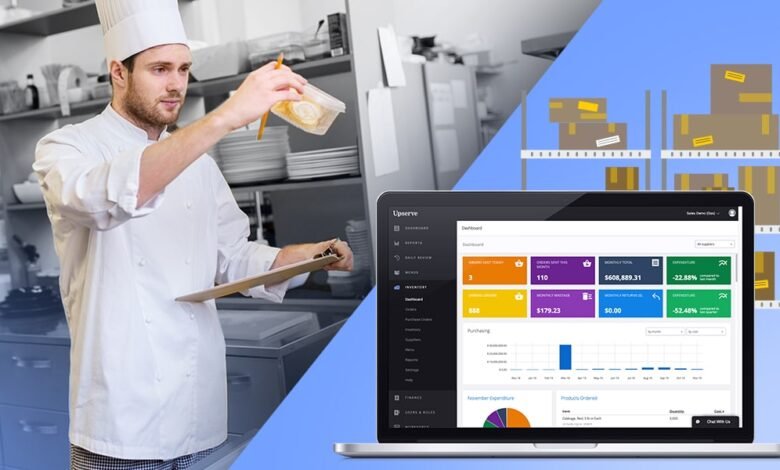
Tracking what comes in and what goes out of your kitchen is a fundamental part of restaurant success. From tracking ingredient levels to reducing waste and optimising costs, effective inventory management can make the difference between profit and loss. Yet, with so many software options available, finding the right solution can feel overwhelming.
When searching for the best restaurant inventory management software, it is essential to consider both the features and usability of the platform. The ideal software should streamline inventory tracking, automate ordering processes, and provide real-time insights into stock levels. Whether you operate a small café or a large multi-location restaurant, the right system can save time, reduce errors, and enhance overall operational efficiency.
Identify Your Restaurant’s Needs
Before investing in any software, take the time to clearly identify your restaurant’s specific inventory requirements. Consider factors such as the variety of menu items, the volume of daily transactions, and the number of suppliers you work with. Some software solutions are better suited for restaurants with complex menus and high turnover, while others may be more appropriate for smaller operations with simpler inventory needs. Understanding your unique challenges will help narrow down the options and ensure you choose a system that aligns with your business goals.
Key Features to Look For
Not all inventory management software is created equal. To make an informed decision, focus on key features that directly impact your restaurant’s efficiency and profitability:
Real-Time Inventory Tracking – The software should provide accurate, real-time updates on stock levels, so you can avoid both shortages and overstocking.
Supplier and Purchase Order Management – Seamless integration with suppliers and automated purchase orders save time and reduce human error.
Menu Costing and Analytics – Insightful analytics help you understand food costs, profit margins, and waste trends, allowing for smarter menu planning.
Mobile Accessibility – Cloud-based systems that can be accessed from tablets or smartphones allow managers and chefs to update and check inventory on the go.
User-Friendly Interface – A straightforward interface ensures staff can quickly learn and adopt the system, reducing training time and mistakes.
Integration with Existing Systems
Another important consideration is how well the software integrates with your existing point-of-sale (POS) system, accounting software, and other operational tools. Smooth integration avoids duplicated efforts, ensures data accuracy, and simplifies reporting. Choosing a platform that works seamlessly with your current systems can save both time and money in the long run.
Cost Versus Value
While it may be tempting to choose the cheapest software option, it is more important to consider the overall value. Evaluate subscription fees, setup costs, and any additional charges for updates or support. Compare these costs against the potential savings from reduced waste, improved ordering, and better control over inventory. In many cases, investing in a slightly more expensive but comprehensive system will pay off through increased efficiency and profitability.
Trial and Support
Many software providers offer free trials or demo versions. Taking advantage of these allows you to test features, assess ease of use, and see how the software fits into your daily operations. Additionally, evaluate the quality of customer support. Responsive support teams can help resolve issues quickly and minimise disruptions, which is particularly important in a fast-paced restaurant environment.
Making the Final Decision
After assessing your needs, essential features, integration capabilities, costs, and customer support, compile a shortlist of the top candidates. Engage your management team and key staff in the evaluation process to gather feedback from those who will use the software daily. Ultimately, the best choice is a solution that meets your operational requirements, enhances efficiency, and provides a clear return on investment.
Choosing the right inventory software is not just a technical decision, it is a strategic step toward better restaurant management. With the right tool in place, your restaurant can maintain control over costs and inventory while focussing on delivering excellent food and service.