
The V-Bank Filter Design
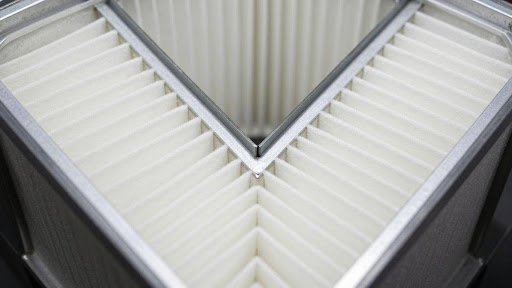
A V-bank filter is a type of air filter built with multiple pleated media sections. These sections are arranged in a V-shape, which is the key to its design. This configuration greatly increases the filter’s surface area. More surface area means it can catch more particles before getting clogged. This design is a big step up from older, flat filters.
This increased surface area is not just about catching more dirt. It also helps manage airflow better. The V-shape allows air to pass through more easily. This means less resistance for the air moving through the system. So, you get better filtration without making the fan work harder. It’s a smart way to get more filtering done with less strain on your equipment.
The V-bank filter’s unique shape is central to its effectiveness. It’s a simple idea, but it makes a big difference in how well the filter works and how long it lasts. This design is why v-bank air filters are so popular in places that need really clean air.
Key Characteristics of V-Bank Filters
One of the main things about v-bank air filters is their high dust-holding capacity. Because of that V-shape, they have a lot more surface area to trap dust and other small bits. This means they don’t get full as quickly as other filters. You won’t have to swap them out as often.
Another big plus is the low pressure drop. The way the air flows through the V-shaped pleats is pretty smooth. This means the fan doesn’t have to push as hard to get air through the filter. Less resistance means your system uses less energy. It’s good for your equipment and good for your electricity bill.
These filters are also built tough. They are made to handle tough conditions, like those found in industrial settings. They can deal with high airflow, different temperatures, and all sorts of airborne gunk. This durability means they last longer and perform reliably.
Efficiency Ratings and Particle Capture
V-bank filters come with different efficiency ratings. These ratings tell you how well they can catch small particles. You’ll see ratings like MERV (Minimum Efficiency Reporting Value) and HEPA (High-Efficiency Particulate Air). A higher MERV rating, like MERV 13 or higher, means it’s catching more of the smaller stuff.
HEPA filters are the top tier. They can capture about 99.97% of particles that are 0.3 microns in size. That’s incredibly small. For places that need the absolute cleanest air, like cleanrooms or certain manufacturing areas, HEPA-rated v-bank air filters are the way to go.
The ability of v-bank air filters to capture a wide range of particle sizes is a major reason for their use in demanding applications. From large dust particles to tiny allergens, these filters are designed to clean the air effectively.
Here’s a quick look at what different ratings mean:
- MERV 13-16: Good for capturing fine particles like bacteria, smoke, and some viruses.
- HEPA (H10-H14): Excellent for capturing very fine particles, including viruses, radioactive particles, and extremely small dust.
- ULPA (Ultra-Low Penetration Air): Even higher efficiency than HEPA, capturing 99.999% of particles at 0.12 microns.
Critical Applications of V-Bank Filters in Power Generation
Power plants are complex operations where clean air isn’t just a nice-to-have; it’s a must-have for keeping things running smoothly and safely. Think about it: massive turbines spinning, boilers burning fuel, and sensitive control rooms filled with electronics. All of these need protection from the airborne gunk that can cause big problems. That’s where V-bank filters really shine.
Gas Turbine Inlet Filtration
Gas turbines need a huge amount of air to do their job. If that air is full of dust, sand, or other particles, it’s like feeding sandpaper to the turbine blades. This can lead to wear and tear, reduced efficiency, and even costly breakdowns. V-bank filters are perfect for this job because they offer a large surface area to capture these particles without creating too much resistance. This means the turbine gets the clean air it needs to perform at its best, and you avoid those nasty repair bills.
HVAC Systems for Control Rooms
Control rooms are the brains of the power plant. They’re packed with sensitive electronics that can be easily damaged by dust. Plus, the people working in these rooms need a healthy environment. V-bank filters in the HVAC system help keep the air clean, protecting both the equipment and the staff. They trap fine particles that could otherwise cause malfunctions or health issues. It’s all about maintaining a stable and safe environment for critical operations.
Boiler Combustion Air Systems
Boilers need clean air for efficient combustion. If the air going into the boiler is dirty, it can affect how well the fuel burns, leading to lower efficiency and increased emissions. V-bank filters ensure that the combustion air is free from contaminants. This helps the boiler run more efficiently, saving fuel and reducing its environmental impact. Using V-bank filters here is a smart move for both performance and compliance.
Advantages of V-Bank Filters for High Performance Facilities
Enhanced Filtration Efficiency
V-bank filters really shine when it comes to cleaning the air. Their unique V-shaped design packs a lot more filter material into the same space compared to older flat filters. This means they can catch smaller particles, like dust and allergens, more effectively. For places that need super clean air, like labs or manufacturing areas, this is a big deal. It means less junk getting into your sensitive equipment or processes.
Extended Equipment Lifespan
When you use V-bank filters, you’re basically giving your machinery a break. By trapping more contaminants before they can reach critical parts like turbine blades or delicate electronics, these filters prevent wear and tear. Think of it like putting a good screen door on your house – it stops the big stuff from getting in. This protection means less damage, fewer breakdowns, and ultimately, your expensive equipment lasts a whole lot longer. It’s a smart way to protect your investment.
Improved Energy Efficiency
It might seem odd, but cleaner air can actually save you energy. V-bank filters are designed to let air pass through them with less resistance. This means your fans and blowers don’t have to work as hard to pull air through the system. Less work for the fans means less electricity used. Over time, these small energy savings add up, making your facility more cost-effective to run. It’s a win-win for performance and your budget.
Durability in Harsh Environments
High-performance facilities often deal with tough conditions. Whether it’s a power plant with lots of dust or a chemical processing plant with airborne particles, V-bank filters are built to handle it. They use sturdy materials that can stand up to the rigors of continuous operation. This means they don’t break down easily and keep filtering effectively, even when things get rough. You can count on them to do their job day in and day out.
Selecting the Optimal V-Bank Filter
Matching Filter Efficiency to Air Quality Needs
When you’re looking for the right V-bank filter, the first thing to figure out is just how clean you need the air to be. Different facilities have different standards. For places like cleanrooms or hospitals, you’ll need a filter with a higher efficiency rating. This means it can catch smaller particles. Think about what you’re trying to protect – sensitive equipment or people’s health. A higher MERV rating or a HEPA classification usually means better particle capture. It’s not just about getting a filter; it’s about getting the right filter for the job.
The efficiency rating tells you how well the filter can remove particles of a certain size. For example, a filter rated MERV 13 will catch more fine dust than a MERV 8 filter. If you’re dealing with very fine contaminants, like in semiconductor manufacturing, you’ll need something much more robust. Always check the specifications and match them to your facility’s specific air quality requirements. Don’t overspend on a super-high efficiency filter if you don’t need it, but definitely don’t skimp if you do.
It’s a balancing act. You want clean air, but you also don’t want to make it too hard for your system to move that air. So, while efficiency is key, it’s just one piece of the puzzle. Consider the types of particles you’re most concerned about and choose a V-bank filter designed to tackle those specific contaminants effectively.
Considering Airflow Requirements
Beyond just how clean the air needs to be, you’ve got to think about how much air your system moves. V-bank filters, with their V-shaped design, are pretty good at letting air pass through without too much resistance. This is a big deal because if a filter makes it too hard for air to get through, your system has to work overtime. That means more energy use and more wear and tear on your fans and motors.
When selecting a V-bank filter, look at its pressure drop rating. This tells you how much resistance the filter adds to the airflow. A lower pressure drop is generally better. You want a filter that can capture the particles you need it to, but without creating a bottleneck for your air handling system. It’s about finding that sweet spot where filtration performance meets airflow needs.
The goal is to maintain optimal air quality without unduly stressing your HVAC system, leading to better overall performance and reduced energy costs.
Think about the total airflow volume your system is designed for. The V-bank filter needs to be able to handle that volume. If you pick a filter that’s too restrictive, you might end up with reduced airflow to the areas that need it, and your system will be working harder than it has to. This can lead to higher energy bills and potential equipment issues down the line.
Evaluating Durability and Maintenance Factors
No one wants to be changing filters every other week. That’s a hassle and adds up in costs. When you’re picking out a V-bank filter, take a look at how long it’s supposed to last. The V-shape design helps these filters hold more dust than flat filters, which means they usually last longer. This extended service life is a major plus for high-performance facilities where downtime is costly.
Consider the materials the filter is made from. Is it built to handle the conditions in your facility? Some environments might have higher temperatures, more humidity, or even corrosive elements. You need a V-bank filter that’s tough enough to stand up to those conditions without breaking down prematurely. A durable filter means fewer replacements and less maintenance work.
Here are some things to check:
- Filter Media: What is it made of? Is it suitable for your environment?
- Frame Construction: Is the frame sturdy and well-built?
- Manufacturer Recommendations: What’s the suggested replacement schedule?
Ultimately, you’re looking for a filter that offers a good balance. You want effective filtration, sure, but you also want something that’s going to last and won’t require constant attention. A filter that’s durable and has a longer service life will save you time, money, and headaches in the long run. It’s an investment in keeping your facility running smoothly.
Advanced V-Bank Filter Technologies
Near-HEPA Filtration Capabilities
V-bank filters are stepping up their game, moving beyond basic dust capture. Many now offer filtration levels that get really close to HEPA standards. This means they can grab tiny particles, like those that carry viruses or fine allergens. This improved performance is key for facilities where even microscopic contaminants can cause big problems. Think about labs or specialized manufacturing; clean air isn’t just nice, it’s required. These advanced V-bank filters help meet those strict air quality demands.
Dual-Density Media for Maximum Dust Holding
One neat trick some V-bank filters use is dual-density media. Imagine a filter where the outer layers catch the bigger stuff, and the inner layers grab the really fine particles. This design means the filter can hold a lot more dirt before it gets clogged up. It’s like having a bigger trash can that you don’t have to empty as often. This dual-density approach really maximizes how much dust the filter can hold, extending its life.
Integrated Gas Phase and Particulate Filtration
Sometimes, it’s not just about particles; it’s about gases too. Odors, VOCs, or other airborne chemicals can be a problem. Some newer V-bank filters now combine particle capture with gas filtration. They might have activated carbon layers built right in. This means one filter can handle both dust and certain gases, simplifying your air cleaning setup. It’s a smart way to get more done with less equipment, especially in places with mixed air quality concerns.
Wrapping Up: The Clear Choice for Clean Air
So, when you look at everything, V-bank filters really do make a big difference in places like power plants. They’re not just some fancy filter; they actually help keep the air clean, which protects expensive machinery from getting damaged. This means fewer breakdowns and less money spent on repairs. Plus, cleaner air is just better for the folks working there. They help systems run smoother, saving energy and cutting down on maintenance time. It’s pretty clear that using these filters is a smart move for any facility that needs top-notch air quality and reliable operation.