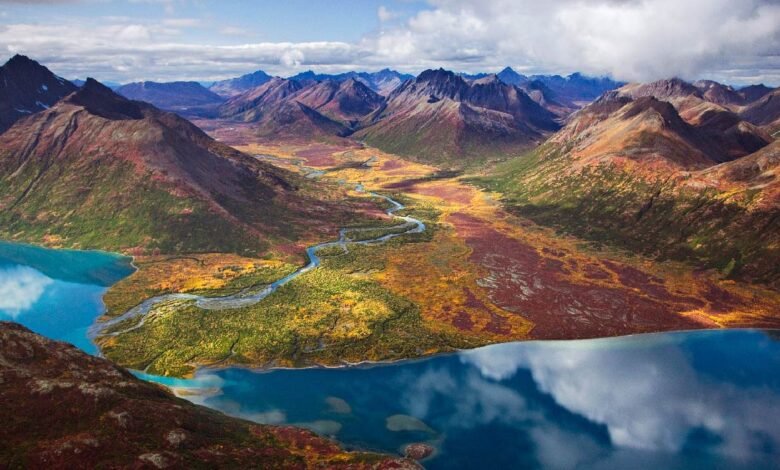
The Bristol Bay watershed is a sprawling tapestry of sapphire lakes, braided rivers, and tundra that stretches toward the horizon. This region is famous for supporting the most prolific sockeye salmon runs on the planet, a biological miracle that fuels an entire ecosystem. For travelers seeking a deep connection with this untamed landscape, finding a place to rest means looking beyond traditional hotels and embracing the isolation of the Alaskan peninsula.
The Architecture of Wilderness Isolation
In a land where roads do not exist, the concept of a sanctuary takes on a new meaning. The structures found here are designed to withstand the immense forces of nature while providing a warm, dry refuge for those who journey across the water or through the air to reach them. Most of these outposts are constructed from native timber, such as spruce and cedar, which allows them to blend seamlessly into the surrounding forest.
Inside these retreats, the focus remains on the environment. Large windows typically face the water, offering views of the mist rising off the lakes at dawn. Common areas are often centered around a stone hearth, where the crackle of a wood fire provides the soundtrack for evening reflections. This architectural simplicity ensures that the primary attraction remains the vast, unscripted wilderness just beyond the door.
Living Along the Migratory Corridors
The most strategic locations for a wilderness stay are positioned along the rivers that serve as highways for migrating fish. These waterways connect the massive inland lakes to the sea, creating a nutrient-rich corridor that attracts a diverse array of wildlife. By staying in these areas, visitors gain a front-row seat to the natural cycles of the watershed.
There are various places to stay in Katmai National Park that cater to different interests, from those wanting to photograph apex predators to anglers seeking the elusive trophy rainbow trout. Some sites offer basic cabins with shared facilities, emphasizing a rugged experience that mirrors the lives of the early explorers. Others provide a more refined atmosphere with private baths and chef-prepared meals, allowing guests to recharge in comfort after a demanding day in the field.
The Cultural Heritage of the Watershed
The Bristol Bay region is not merely a wilderness; it is a homeland with a history stretching back thousands of years. The indigenous people of this area have long understood the importance of living in harmony with the land. Many modern retreats are located near ancient village sites or traditional fishing grounds, offering a quiet reminder of the enduring relationship between humans and the salmon.
Respecting this heritage is a vital part of the visiting experience. Many establishments incorporate local knowledge into their operations, teaching guests about the importance of the watershed’s health. This cultural context adds a layer of depth to the stay, transforming a simple trip into a lesson in stewardship and survival.
Preparing for the Subarctic Environment
Staying in such a remote location requires a specific mindset and physical preparation. The weather in the watershed is governed by the proximity to the Bering Sea, resulting in frequent storms and rapid temperature shifts. A successful stay depends on the ability to remain comfortable regardless of what the sky provides.
Navigating the Elements
High-quality rain gear is the most important item in any traveler’s kit. The mist and drizzle that characterize the region can be persistent, and staying dry is the key to maintaining morale during long outdoor excursions. Sturdy, waterproof boots with good traction are also essential for navigating the slippery riverbanks and uneven tundra trails.
Embracing the Silence
One of the most striking aspects of a remote sanctuary is the lack of human-made noise. Without the hum of traffic or the glow of city lights, the senses become attuned to the natural world. The call of a loon across the water or the distant splash of a rising fish becomes a significant event. This silence is a rare commodity in the modern world and is often the most memorable part of the journey.
A Commitment to the Future
The existence of these sanctuaries depends entirely on the continued health of the Bristol Bay watershed. Every visitor plays a role in this preservation by adhering to low-impact practices and supporting sustainable operations. By choosing to stay in these remote outposts, you are participating in a legacy of conservation that ensures the wild heart of Alaska remains beating for generations to come.
As you board the floatplane for the return journey, the sight of the watershed from above reveals a complex network of life that is as fragile as it is powerful. The memory of a warm bed in the middle of nowhere serves as a reminder that even in the most extreme environments, hospitality and nature can coexist in perfect balance.