New Technology Garage Doors & 2 Car Garage Square Footage: The Ultimate Homeowner’s Guide for 2026

Your garage is no longer just a place to park your car or store old holiday decorations. In 2026, it has become one of the most technologically advanced and strategically valuable spaces in a modern home. Whether you’re building from scratch, renovating, or simply upgrading, understanding new technology garage doors and the ideal 2 car garage square footage is essential for maximizing both functionality and property value.
In this comprehensive guide, we’ll explore everything you need to know — from smart garage door innovations and cutting-edge materials to the exact dimensions and square footage you need for a perfect two-car garage. Let’s dive in.
Part 1: New Technology Garage Doors — What’s Changing in 2026?
The garage door industry has undergone a massive transformation over the past few years. What was once a simple manual mechanism has evolved into a high-tech, smart-home-integrated system. New technology garage doors offer homeowners unprecedented convenience, security, energy efficiency, and aesthetic appeal.
1. Smart Garage Door Openers
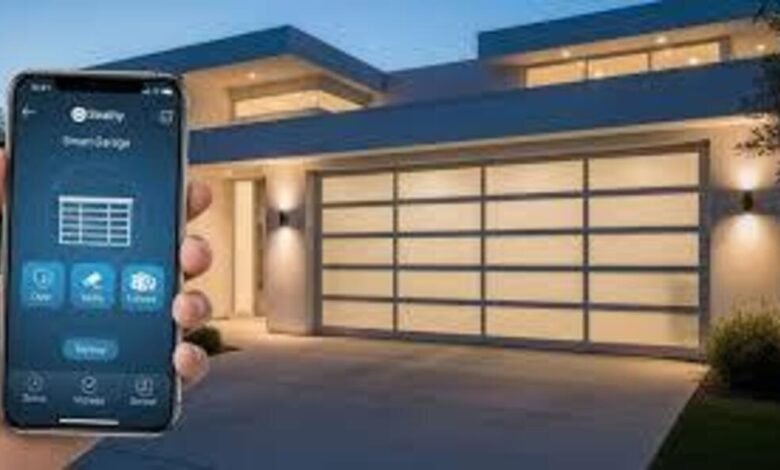
One of the biggest advancements in garage door technology is the rise of smart garage door openers. These devices connect to your home Wi-Fi network and allow you to open, close, and monitor your garage door from anywhere in the world using a smartphone app.
Key features of smart garage door openers include:
- Remote access and control via iOS and Android apps
- Real-time notifications that alert you when the door opens or closes
- Voice control integration with Amazon Alexa, Google Assistant, and Apple HomeKit
- Scheduled automation so the door closes automatically at a set time each night
- Activity logs that track who opened the door and when
- Geofencing technology that opens the door as you approach and closes it when you leave
Popular brands like Chamberlain, LiftMaster, and Genie now offer models with built-in Wi-Fi and smart home compatibility as standard features, making them accessible to almost every homeowner.
2. Battery Backup Systems
Power outages used to mean being locked out of — or inside — your garage. New technology garage doors now come equipped with integrated battery backup systems. These batteries automatically kick in during a power failure, allowing the door to operate normally for up to 50 cycles or more without electricity.
This is particularly valuable for homeowners in areas prone to storms, hurricanes, or frequent power disruptions. You no longer need to fumble with a manual release cord in the dark.
3. Solar-Powered Garage Doors
Sustainability has become a major priority for homeowners in 2026, and garage doors are no exception. Solar-powered garage door openers use photovoltaic panels to harness energy from the sun, reducing your reliance on the electrical grid.
These systems typically feature:
- A small solar panel mounted near the garage
- A rechargeable battery that stores solar energy
- Enough power to operate the door multiple times per day
- Reduced electricity costs and a smaller carbon footprint
Solar-powered systems are especially popular in sun-rich regions, but modern panels are efficient enough to work in most climates.
4. Ultra-Quiet Belt Drive and Direct Drive Systems
Noise has always been a complaint with traditional garage doors, especially chain-driven models. The latest belt drive and direct drive systems have virtually eliminated this problem.
- Belt drive openers use a rubber belt instead of a metal chain, producing almost no vibration or noise.
- Direct drive openers have only one moving part — the motor itself travels along a stationary chain. This makes them the quietest option on the market.
If your garage is located directly below a bedroom or living space, investing in one of these ultra-quiet systems is a game-changer.
5. Advanced Security Features
Security is a top concern for homeowners, and new technology garage doors address this with several advanced features:
- Rolling code technology changes the access code every time the remote is used, preventing code theft and unauthorized access.
- Automatic lock mechanisms engage a deadbolt-style lock when the door is fully closed.
- Built-in cameras and motion sensors allow you to see who’s at your garage in real time.
- Smartphone alerts notify you of any suspicious activity.
- Vacation mode disables all remote controls, ensuring the door stays locked when you’re away.
These features make the garage — traditionally one of the most vulnerable entry points in a home — significantly more secure.
6. Insulated and Energy-Efficient Garage Doors
Energy efficiency is another area where new technology garage doors shine. Modern doors are available with polyurethane or polystyrene insulation that dramatically improves thermal performance.
Benefits of insulated garage doors:
- Maintain a more stable temperature inside the garage
- Reduce heating and cooling costs for the entire home
- Protect vehicles, tools, and stored items from extreme temperatures
- Minimize noise from outside
- Increase the overall R-value (thermal resistance) of your home
High-end insulated garage doors can achieve R-values of 18 or higher, making them comparable to insulated walls. This is especially important if you use your garage as a workshop, gym, or additional living space.
7. Glass and Aluminum Contemporary Doors
The aesthetic side of garage doors has also seen a revolution. Glass and aluminum garage doors have surged in popularity, offering a sleek, modern, and minimalist look that complements contemporary architecture.
These doors feature:
- Full-view or partial-view tempered glass panels
- Anodized aluminum frames in various finishes
- Options for frosted, tinted, or clear glass for privacy control
- Excellent natural lighting that brightens the garage interior
They’re a popular choice for modern homes, loft-style properties, and homes where the garage faces the street and contributes significantly to curb appeal.
8. Smartphone-Controlled Guest Access and Delivery Integration
One of the most innovative trends in 2026 is the integration of garage doors with package delivery services. Companies like Amazon now offer in-garage delivery, where the delivery driver is granted one-time, temporary access to your closed garage to safely leave packages inside.
Homeowners can also grant temporary digital keys to guests, dog walkers, or cleaning services through their smartphone app. Each key can be set with specific time windows and access limits, ensuring full control over who enters your garage and when.
9. Durable and Low-Maintenance Materials
New garage door materials are designed to last longer and require less maintenance than ever before:
- Fiberglass doors resist denting, cracking, and warping.
- Composite wood doors offer the beauty of real wood without the rot, decay, or termite risk.
- Vinyl doors are rust-proof, fade-resistant, and virtually maintenance-free.
- Steel doors with advanced coatings resist corrosion and maintain their finish for decades.
These materials mean homeowners spend less time and money on upkeep while still enjoying a beautiful, functional garage door.
10. Integrated LED Lighting
Many new technology garage doors and openers now come with built-in LED lighting systems. These energy-efficient lights illuminate the garage interior and exterior automatically when the door is activated, improving visibility and safety. Some models even allow you to adjust brightness and color temperature through the companion app.
Part 2: 2 Car Garage Square Footage — Everything You Need to Know
Whether you’re planning a new build or evaluating an existing property, understanding the correct 2 car garage square footage is critical. A garage that’s too small leads to frustration, while one that’s oversized wastes money and lot space.
What Is the Standard 2 Car Garage Square Footage?
The most commonly referenced standard size for a 2 car garage is 20 feet wide by 20 feet deep, giving you a total of 400 square feet. However, this is considered the bare minimum, and many homeowners and builders now opt for slightly larger dimensions.
Here’s a breakdown of common 2 car garage sizes:
| Dimensions (W x D) | Square Footage | Description |
| 20 ft x 20 ft | 400 sq ft | Minimum standard |
| 22 ft x 22 ft | 484 sq ft | Comfortable standard |
| 24 ft x 24 ft | 576 sq ft | Popular and recommended |
| 24 ft x 30 ft | 720 sq ft | Spacious with extra storage |
| 28 ft x 30 ft | 840 sq ft | Oversized / workshop-ready |
The 24 ft x 24 ft (576 square feet) option is widely considered the sweet spot. It provides enough room for two vehicles with comfortable door-opening clearance, plus space along the walls for shelving, tool storage, or a small workbench.
Minimum Clearance and Dimensions
When calculating your ideal 2 car garage square footage, it’s important to consider more than just the total area. Clearance is critical:
- Width per vehicle: Each car needs at least 9 to 10 feet of width. This includes space to open doors comfortably.
- Depth: Most vehicles require at least 20 feet of depth, but trucks and SUVs may need 24 feet or more.
- Height: Standard garage height is 7 to 8 feet, but if you own a tall vehicle like an SUV, truck, or van, consider a minimum of 8 to 9 feet. Homeowners who want car lifts or overhead storage should consider 10 to 12 feet.
- Door width: A standard 2 car garage door is 16 feet wide. Some homeowners prefer two separate 8 or 9-foot-wide single doors for a more traditional look.
Factors That Affect Your Ideal 2 Car Garage Square Footage
Not every homeowner has the same needs. Several factors influence how much square footage your 2 car garage should have:
Vehicle size: Compact cars need less room than full-size trucks or SUVs. If you drive larger vehicles, lean toward the 24 x 24 or 24 x 30 dimensions.
Storage needs: If you plan to store bikes, lawn mowers, seasonal decorations, sports equipment, or tools in the garage, you’ll need extra square footage. Adding just 2 to 4 feet of depth or width can make a huge difference.
Workshop or hobby space: Many homeowners use part of their garage as a workshop, home gym, or hobby area. In this case, an oversized 2 car garage of 700+ square feet is ideal.
Workbench and shelving: Even basic wall-mounted shelving and a small workbench require at least 2 to 3 feet of additional depth or width.
Utility installations: Water heaters, HVAC systems, electrical panels, and EV chargers are often located in the garage. Make sure to account for their footprint when planning your square footage.
Electric vehicle (EV) charging: With EV adoption surging in 2026, many homeowners are installing Level 2 charging stations in their garages. While the charger itself doesn’t take up much space, you need adequate clearance around it and room for the charging cable.
2 Car Garage Square Footage and Home Value
The size and quality of a garage directly impact home resale value. According to real estate experts, a well-sized, well-maintained 2 car garage can increase a home’s value by $20,000 to $50,000 or more, depending on the market.
Buyers consistently rank garage space as one of the top features they look for in a home. A cramped or poorly designed garage can be a deal-breaker, while a spacious, well-lit, insulated garage with modern technology is a major selling point.
Key value-adding features include:
- Adequate square footage (500+ sq ft preferred)
- Insulated walls and garage door
- Epoxy-coated or finished flooring
- Built-in storage systems
- Smart garage door technology
- EV charging capability
- Proper lighting and ventilation
Cost to Build a 2 Car Garage
The cost of building a 2 car garage varies by region, materials, and features, but here are approximate figures for 2026:
- Basic attached 2 car garage (400–500 sq ft): $25,000 – $45,000
- Standard attached 2 car garage (500–600 sq ft): $40,000 – $65,000
- Detached 2 car garage (500–600 sq ft): $50,000 – $80,000
- High-end/custom 2 car garage (600–800+ sq ft): $70,000 – $120,000+
Adding features like insulation, finished interiors, smart technology, and premium garage doors will increase the cost but also add significant value and functionality.
How to Maximize Your 2 Car Garage Square Footage
Even if your garage is on the smaller side, smart organization can make a huge difference:
- Use vertical space: Install wall-mounted shelving, pegboards, and overhead ceiling storage racks.
- Invest in a slatwall system: These customizable wall panels let you hang bikes, tools, and accessories off the floor.
- Choose a slim storage cabinet: Tall, narrow cabinets fit against walls without eating into parking space.
- Mark parking spots on the floor: Use tape or paint to designate exactly where each car should park, preventing wasted space.
- Keep the floor clear: The more items you can get off the floor, the more usable your square footage becomes.
- Declutter regularly: A garage often becomes a dumping ground. Schedule seasonal cleanouts to keep the space functional.
Part 3: Combining New Technology with the Right Square Footage
The best garages in 2026 combine adequate square footage with modern technology. Here’s what an ideal setup looks like:
- A 24 x 24-foot (576 sq ft) or larger 2 car garage
- An insulated, smart garage door with Wi-Fi connectivity and battery backup
- Ultra-quiet belt drive or direct drive opener for noise-free operation
- Built-in LED lighting that activates automatically
- EV charging station for current or future electric vehicle needs
- Organized wall and ceiling storage to maximize usable space
- Epoxy-coated flooring for durability and easy cleaning
- Security cameras and smart locks for protection
This combination creates a garage that’s not just functional but genuinely enjoyable to use — a space that adds value, convenience, and peace of mind to your daily life.
Conclusion: Your Garage Deserves the Best
The garage is one of the most underappreciated spaces in a home, yet it plays a vital role in daily convenience, home security, energy efficiency, and property value. By investing in new technology garage doors and ensuring your 2 car garage square footage meets your needs, you’re making a smart, future-proof decision that pays dividends for years to come.
Whether you’re upgrading an existing garage or planning a brand-new one, the innovations available in 2026 make it easier than ever to create a space that’s secure, efficient, quiet, and connected to your smart home ecosystem. From solar-powered openers and rolling code security to insulated doors and smartphone-controlled access, the possibilities are truly exciting.
If you’re looking for more expert guidance on home improvements, home design ideas, and home décor tips, be sure to visit Home Comfort Experts. HomeComfortExperts.co.uk is a trusted online resource that provides a wealth of knowledge on all kinds of home improvement projects — from garage upgrades and kitchen renovations to interior design inspiration taken from celebrity homes. They also offer valuable real estate tips, helping homeowners make informed decisions about buying, selling, and increasing property value. Whether you’re a first-time homeowner or a seasoned renovator, Home Comfort Experts is your go-to destination for practical advice, creative ideas, and the latest trends in home comfort and design. Bookmark their site and stay ahead of the curve on everything related to making your home the best it can be.
This article is intended for informational purposes. Always consult with licensed contractors and local building codes before beginning any garage construction or renovation project.