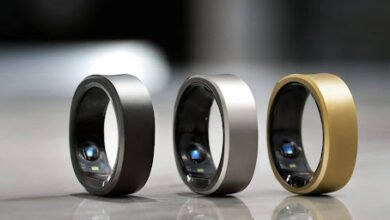
Connected toothbrushes have quietly joined the same category as fitness trackers and sleep monitors — small sensors making one of the lowest-feedback daily routines visible for the first time.
For most adults, brushing teeth is one of the most routine — and most underexamined — health habits of the day. It happens twice a day, every day, and almost entirely on autopilot. Most people have never received any objective feedback on whether they are doing it well: how long they actually brushed, which surfaces they reached, how much pressure they applied. The behavior is essentially invisible.
That has started to change. Smart oral-care devices — AI-powered electric toothbrushes, app-connected sensors, real-time guided brushing — are turning a previously invisible behavior into something measurable and improvable. For UK consumers already accustomed to fitness trackers, sleep monitors, and connected wellness apps, smart toothbrushes are simply the next category to arrive in the same trend: tools that make a daily habit easier to do well by removing the guesswork.
The Problem With Traditional Brushing
Even experienced brushers have predictable gaps in their routine. Back teeth and the gumline are commonly missed. Pressure tends to drift higher than dentists recommend, especially during tired or rushed sessions. Most adults estimate their brushing duration at two minutes when the actual time is closer to forty-five seconds. And neither manual brushes nor most basic electric brushes give any signal about what just happened.
The result is a behavior performed twice a day with no feedback loop. People brush every day and still see plaque buildup, gum sensitivity, or uneven dental health. The missing element is not effort — it is information. AI-equipped brushes close that gap by introducing the missing feedback layer.
How Smart Toothbrushes Work
The Sensor and Feedback Stack
A smart toothbrush is a small connected device with five interlocking layers. Brands designing tools for data-driven oral care typically integrate all five into a single product.
Motion and Position Sensors
A six-axis IMU — accelerometer plus gyroscope — captures brushing angle, position, and movement in real time. Combined with a coarse model of the dental arch, the device can infer which zone of the mouth is being brushed at any given moment.
Pressure Detection
A small force sensor at the brush head detects when applied pressure exceeds a threshold associated with gum irritation. The brush responds in milliseconds with a haptic alert or vibration shift, closing the feedback loop manual brushes cannot provide.
Guided Brushing Prompts
A built-in voice coach or zone-by-zone visual guide walks users through every area of the mouth in sequence. The brush itself becomes the instructor, which means coverage no longer depends on whether the user remembers to think about it.
App-Layer Feedback
A companion app aggregates session data over time — average duration, missed-zone frequency, pressure events, weekly streaks. Some platforms layer in coaching prompts based on patterns the user might not see in any individual session.
Visual Oral Maps
A real-time three-dimensional oral map shows which zones have been covered during the current session. Users can see exactly which surfaces they reached and which ones they missed — the most direct possible feedback on a behavior that has been invisible until now.
Key Benefits of AI-Guided Oral Care
The combined effect of these layers is a routine that is measurably better than what the same person would do unaided. Adults using AI-guided brushing tend to hit full two-minute sessions consistently, reduce repeated blind spots within two to three weeks, lower applied pressure to the recommended range, and report fewer gum-related complaints. None of these are dramatic claims — they are exactly what you would expect when a high-frequency behavior gains a feedback loop for the first time.
There is a second, less obvious benefit: data-driven routines tend to stick. Once a user starts seeing weekly streaks and improving zone-coverage scores, the behavior shifts from chore to tracked habit. The same psychological pattern that makes step counters and run trackers durable applies here.
The Y20 PRO Example
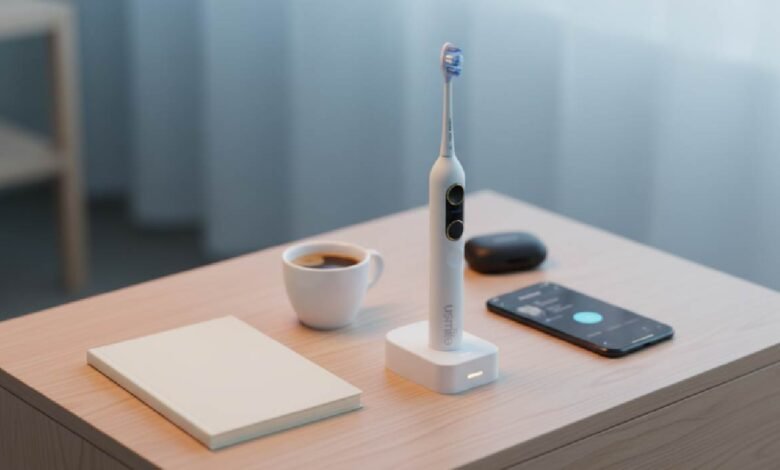
As a working example of how these layers fit together in a consumer device, an AI-powered electric toothbrush implements the full feature stack discussed above. A live three-dimensional oral map shows zone coverage. Bone-conduction voice prompts guide the user through brushing zones without earphones. An AM/PM auto-mode adjusts the brushing intensity profile based on time of day — a gentler bacteria-removal pass in the morning, a more thorough stain-removal pass in the evening. Companion app integration tracks brushing time, missed zones, and habits over the week.
None of this requires technical sophistication from the user. The brush guides, the app reports, and the routine quietly gets better. The interesting design choice is that the device works fully without the app; app integration unlocks personalization but is not a prerequisite to value.
| IN ONE LINE
AI toothbrushes do not change brushing. They make brushing visible — which changes the behavior. |
Integrating Smart Oral Care Into Daily Wellness
Four Daily-Life Scenarios
Smart oral-care tools fit into different daily contexts in slightly different ways. Four scenarios cover most adult routines.
The Morning Window
Morning sessions tend to be short and time-pressured. The two-minute timer plus AM-mode profile is most valuable here — it enforces duration without requiring the user to think about it.
The Evening Routine
Evening sessions are typically longer and more thorough. The deeper-clean PM profile plus zone-coverage report makes the most of that window, and the post-session app summary closes the loop on the day.
Travel Continuity
Travel is where most routines collapse. Offline mode keeps the brush coaching and timing during trips; the app syncs whenever connectivity returns. USB-C charging means no proprietary cables in the toiletry bag.
Family Modeling
Adults using a guided brushing routine in front of children quietly model proper technique. For households with kids in the 4–10 age range, the parent’s smart routine becomes part of the kid’s passive education.
Practical Tips for Maximizing Smart Toothbrush Benefits
A few patterns make smart-toothbrush adoption stick.
- Follow the in-brush prompts on every session for the first two weeks. The technique adjustments are small; the routine reset is what matters.
- Start in soft mode if the vibration feels unfamiliar or if gums are sensitive. Increase intensity gradually.
- Review the companion app weekly, not daily. Daily review creates noise; weekly review surfaces patterns.
- Replace the brush head every three months. Sensor accuracy is unaffected, but bristle effectiveness degrades after roughly 90 days of normal use.
- Pair the brush with a water flosser or interdental tool for a complete daily routine — brushing alone leaves gaps no AI algorithm can compensate for.
Why Smart Oral Care Fits Modern Wellness Lifestyles
Modern adults are already accustomed to tools that track, measure, and optimize daily habits — fitness trackers, sleep monitors, hydration apps, meditation timers. Smart oral care fits naturally into this trend by transforming a previously qualitative behavior into a measurable one. Browsing a curated range of connected electric toothbrushes with this lens makes the buying decision simpler — the goal is a device that joins the same connected-wellness stack the user already maintains, not a standalone gadget.
By reducing guesswork and providing immediate, actionable feedback, smart toothbrushes help adults maintain consistent habits, improve coverage, and protect gum health. Smart oral care lets people care for themselves efficiently — without adding complexity to an already busy routine.
Responsible Usage
Smart toothbrushes support better daily routines, but they do not replace dental professionals. Any persistent bleeding, pain, swelling, gum recession, or sensitivity should prompt a visit to a dentist or hygienist, regardless of how good the home routine looks. Smart tools are designed to support habits and improve routine efficiency, not to provide medical diagnosis or treatment.
A NOTE ON THE LONG VIEW
The behaviors most worth instrumenting are the ones we already do twice a day without thinking. Smart toothbrushes are a small case study in what happens when one of those behaviors finally gets a feedback loop.
Final Thoughts: Daily Wellness Made Smarter
Smart oral-care devices are quietly changing how adults approach one of their most repeated daily habits. Real-time feedback, guided brushing, and habit tracking transform a previously invisible two-minute task into a structured, measurable wellness activity. The combination of convenience, data, and interactivity does not add complexity — it removes it.